2026 Top Steel Beam Specifications for Global Buyers?
In the world of construction, steel beams play a crucial role. They are essential for structural integrity in various projects. As global demand for robust construction materials grows, knowing the specifications of steel beams becomes vital for buyers.
This article delves into the top steel beam specifications for 2026. Buyers must understand various factors that influence their choices. Different types of steel beams serve unique purposes. Knowing the right specifications can prevent costly mistakes and project delays.
However, it’s not just about numbers. The quality of steel, its origin, and compliance with safety standards matter too. Poor choices can lead to structural failures. Therefore, a comprehensive understanding of steel beam specifications is necessary. Ensuring reliable sources and certified suppliers is key to making informed decisions.
2026 Global Steel Beam Market Overview and Trends
The global steel beam market is evolving rapidly. Various factors drive its growth, including urbanization and infrastructure development. Countries are investing heavily in construction projects, which increases the demand for steel beams. This trend reflects a long-term shift in how cities are built and expanded.
Manufacturers are focusing on producing high-quality beams with enhanced strength and durability. Different specifications cater to diverse construction needs. However, some products may not meet all the required standards, leading to potential safety issues. Buyers must verify compliance with local regulations and specifications to avoid these shortcomings.
Sustainability trends are also influencing the market. Many players are adopting green practices, but not all companies achieve this effectively. Transparency in sourcing and production processes remains a key challenge. Global buyers must look for reliable suppliers who prioritize environmental responsibility. It’s essential to assess the long-term implications of purchasing decisions in this dynamic landscape.
Key Specifications for Steel Beams: Size, Shape, and Weight
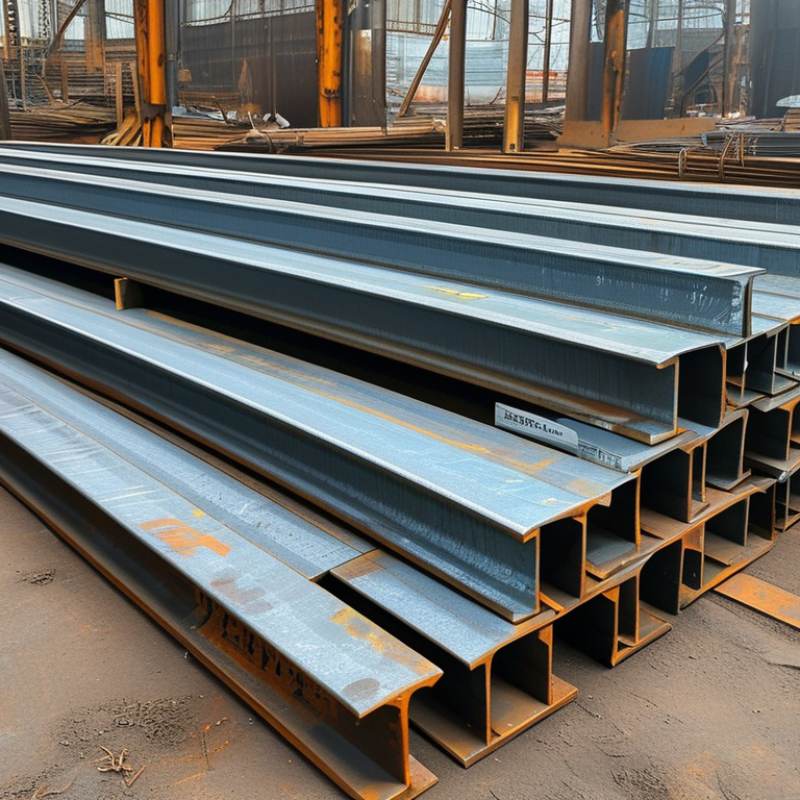
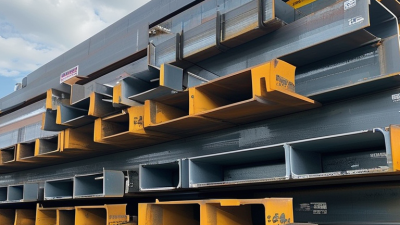
In the steel beam market, understanding key specifications such as size, shape, and weight is essential for global buyers. Steel beams come in various standard shapes, including I-beams, H-beams, and channel beams. A common choice, I-beams, are notable for their high strength-to-weight ratio, making them perfect for large structures. According to industry reports, the most prevalent sizes include depths ranging from 4 to 24 inches, tailored for different applications.
Weight is another critical aspect; it directly impacts transportation and installation costs. A standard I-beam can weigh anywhere from 5 to 150 pounds per foot. Lighter beams may be ideal for projects with strict weight constraints, while heavier options provide superior strength but may complicate handling.
When selecting steel beams, consider your specific structure’s needs. Pay attention to loading requirements and environmental factors such as corrosion. Choosing the right shape and size can significantly enhance project efficiency. Reflect on the balance between cost and quality. Sometimes, opting for a less popular size can yield better long-term savings. Always ensure compliance with local building codes, as failing to do so can lead to significant setbacks.
2026 Steel Beam Specifications Overview
This chart provides an overview of key specifications for steel beams, including their size, shape, and weight. The data represents various specifications essential for global buyers in the construction industry.
Material Properties: Grade Standards and Structural Integrity Requirements
When selecting steel beams, understanding the material properties is crucial. Grade standards dictate performance under various loads. Standards such as ASTM A36 and A992 are widely recognized. A36 offers good strength at a yield point of 36 ksi, making it suitable for general structural applications. In contrast, A992 is favored in wide-flange beams, providing a yield strength of 50 ksi. This contributes to the integrity required in large structures, including commercial buildings and bridges.
Structural integrity relies on consistent quality and compliance with specifications. For instance, the European standard EN 10025-2 outlines the mechanical properties of structural steel. Beams must withstand specific stress levels, ensuring safety and longevity. The risk of structural failure increases without strict adherence to these standards. A report from the American Institute of Steel Construction indicates that nearly 30% of structural failures relate to material deficiencies. Therefore, selecting the right grade and supporting material data is non-negotiable.
Material testing illustrates how vital these standards are. Toughness and ductility are key properties examined. Steel with higher toughness can endure impact forces without fracturing. This is especially important in seismic zones, where buildings must absorb energy during an earthquake. Insufficient material properties can lead to catastrophic failures. Engineering professionals must prioritize informed decisions based on reliable data to uphold safety and performance in construction projects.
2026 Top Steel Beam Specifications for Global Buyers
| Beam Type |
Material Grade |
Yield Strength (MPa) |
Tensile Strength (MPa) |
Weight per Meter (kg/m) |
Structural Integrity Requirements |
| I-Beam |
S235 |
235 |
360 |
25.0 |
Standard compliance with EN 10025-2 |
| H-Beam |
S275 |
275 |
430 |
30.5 |
Meets ASTM A992 requirements |
| Tapered Beam |
S355 |
355 |
470 |
22.0 |
Complies with AISC specifications |
| Cantilever Beam |
S420 |
420 |
540 |
18.5 |
Requires rigorous load tests |
Application Scenarios: Construction, Transportation, and Architecture Needs
Steel beams play a vital role in construction, transportation, and architecture. Their diverse applications showcase their versatility. In construction, steel beams provide structural support for buildings, allowing for taller and more durable designs. As city landscapes evolve, the demand for innovative, strong materials like steel becomes more crucial.
In transportation, steel beams are essential for bridges and railways. They handle heavy loads while ensuring safety and stability. Architects also favor steel beams for aesthetic purposes, allowing for open spaces and unique designs. This blend of functionality and style makes steel beams an ideal choice in modern architecture.
When selecting steel beams, consider the environmental conditions. Different alloys perform better in various climates. It's also important to assess the load requirements. Overestimating can lead to unnecessary costs, while underestimating can compromise safety. Regular inspections are key to ensuring longevity and reliability. The right choice of steel can enhance both utility and aesthetics in projects.
Sustainability in Steel Beam Production: Recyclability and Carbon Footprint
Sustainability in steel beam production is a pressing concern for global buyers. The construction industry significantly contributes to carbon emissions. According to the World Steel Association, the steel sector accounts for approximately 7-9% of global CO2 emissions. This statistic highlights the urgent need for improved sustainability practices.
Recyclability is a key factor in reducing the carbon footprint of steel beams. Steel is 100% recyclable without losing its properties, making it an ideal choice for eco-conscious projects. In fact, the recycling of steel saves 1.5 tons of iron ore, 0.5 tons of coal, and 0.3 tons of limestone for every ton recycled. This not only conserves resources but also substantially reduces production emissions.
When selecting steel beams, consider the source of materials. Local sourcing can lower transportation emissions. Also, opting for manufacturers who utilize renewable energy in their production processes is beneficial. This choice is an investment in a more sustainable future for construction. Quality and environmental impact should go hand in hand in your decision-making process.