Top Benefits of Metal Sheet in Construction and Manufacturing Applications?
Metal Sheet plays a pivotal role in modern construction and manufacturing. Its versatility and strength make it a preferred material across various industries. From skyscrapers to intricate machinery, Metal Sheets are essential components. Their ability to be molded into different shapes allows for innovative designs and functionality.
In construction, Metal Sheets provide durability and weather resistance. They can withstand harsh conditions, ensuring long-lasting structures. Lightweight yet strong, they reduce the overall load on buildings. This enhances design flexibility and efficiency. However, one must consider the appropriate thickness and type for specific applications. Too thin materials might compromise structural integrity.
In manufacturing, Metal Sheets enable precision engineering. They can be cut and shaped with advanced technology, enhancing accuracy. Industries benefit from quick production times and reduced waste. Yet, sourcing Metal Sheets can be challenging. Quality control is vital. There are times when suppliers can't meet required certifications. Identifying reliable sources is crucial for maintaining standards.
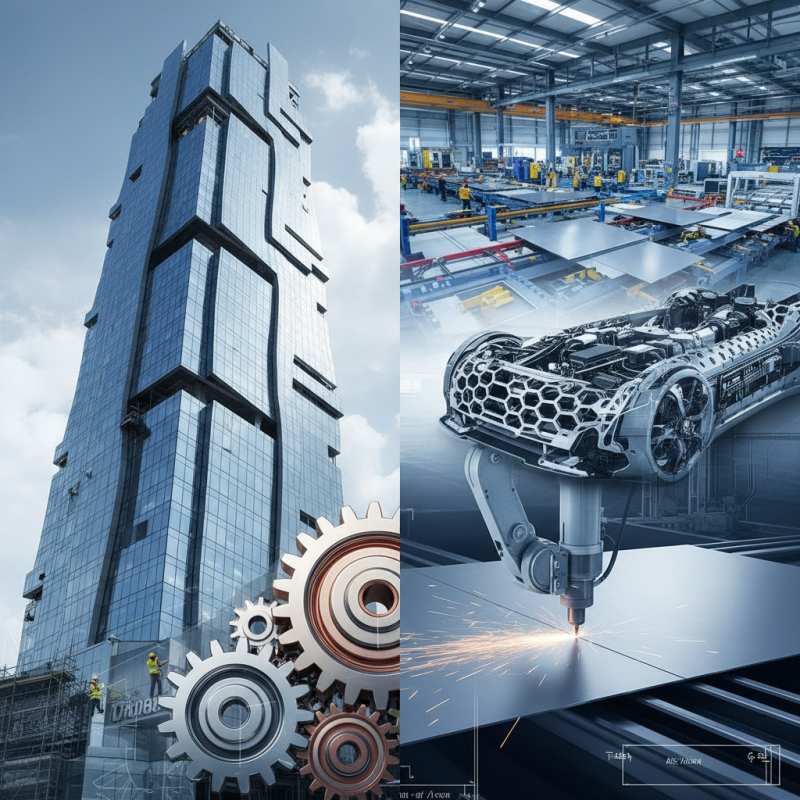
Advantages of Metal Sheets in Construction Projects
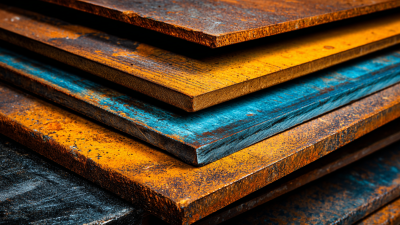
Metal sheets have become essential in construction projects due to their numerous advantages. One notable benefit is their durability. According to the American Iron and Steel Institute, metal sheets can withstand harsh weather conditions, making them ideal for roofing and siding. They resist corrosion and are less prone to damage compared to traditional materials. This longevity often translates to lower maintenance costs over time.
Another significant advantage is versatility. Metal sheets can be easily cut or shaped to fit various design needs. This adaptability enhances creativity in architecture. A study by the Metal Construction Association indicated that over 70% of architects prefer metal for modern designs. However, selecting the right gauge is crucial. Overestimating material requirements could lead to waste, affecting project budgets.
Energy efficiency is another strong point. Metal roofs reflect thermal energy, which helps reduce cooling costs. The Department of Energy reports that reflective metal roofs can decrease energy consumption by up to 25%. Yet, some builders overlook the importance of proper insulation. Insufficient planning here may diminish these benefits, leading to unexpected energy costs. Balancing aesthetics, functionality, and budget is vital for effective construction.
Durability: The Longevity of Metal Sheets in Harsh Environments
Metal sheets are known for their remarkable durability, making them ideal for construction and manufacturing. In harsh environments, such as coastal regions or industrial sites, metal sheets withstand corrosion and extreme weather. According to a report from the International Journal of Advanced Manufacturing Technology, metal sheets can last over 50 years when properly coated and maintained.
High-strength alloys often used in metal sheets show exceptional resilience. They endure heavy loads and resist deformation. For instance, steel sheets can handle impacts and stress without significant denting. However, not all metal sheets are created equally. Variations in quality can affect performance. Some thinner variants may bend or warp more easily under stress.
Humidity and saltwater exposure can lead to premature corrosion if protective measures are lacking. It's crucial for manufacturers to select the right coatings. This decision often determines the lifespan of metal sheets. Data suggests that a well-applied protective layer can increase steel’s lifespan by over 30%. Yet, achieving the perfect balance between thickness and weight remains a challenge in design. Decisions can lead to unexpected failures if overlooked.
Top Benefits of Metal Sheet in Construction and Manufacturing Applications
This chart illustrates the key benefits of using metal sheets in construction and manufacturing applications, showcasing their durability, cost-effectiveness, lightweight nature, and sustainability. Each benefit is represented as a percentage of importance based on industry feedback.
Cost-Effectiveness: Economic Benefits of Using Metal Sheets
Metal sheets are increasingly favored in construction and manufacturing. Their cost-effectiveness is a major benefit. According to industry reports, metal sheets can reduce material costs by up to 20%. This savings is critical for builders and manufacturers, as project budgets are tight. They provide durability and can last for decades, minimizing replacement expenses.
Using metal sheets also leads to faster construction timelines. They are lightweight and easy to handle, allowing for quicker assembly. A study by the Metal Building Manufacturers Association indicates that projects using metal framing can be completed 30% faster than traditional methods. This efficiency can translate into lower labor costs.
**Tips:** Consider the total lifecycle cost when selecting materials. Metal sheets may have a higher upfront cost but can save money over time. Always check for local recycling facilities; metal is often recyclable, which can offset some costs. Reassess the types of metal used. Some may corrode more quickly than expected, affecting longevity and budget.
Top Benefits of Metal Sheet in Construction and Manufacturing Applications
| Benefit |
Description |
Cost-Effectiveness |
| Durability |
Metal sheets have a long lifespan and can withstand harsh environmental conditions. |
Reduced replacement costs. |
| Versatility |
Can be used in various applications including roofing, walls, and manufacturing parts. |
Lower setup costs due to mult-purpose usage. |
| Ease of Installation |
Metal sheets are lightweight and easy to handle, speeding up the installation process. |
Decreased labor costs due to faster installation times. |
| Sustainability |
Metal sheets are recyclable and can be manufactured with fewer resources over time. |
Lower environmental impact and waste disposal costs. |
| Fire Resistance |
Metal sheets can withstand high temperatures, reducing fire hazards. |
Lower insurance premiums due to reduced fire risks. |
Versatility: Applications of Metal Sheets in Various Industries
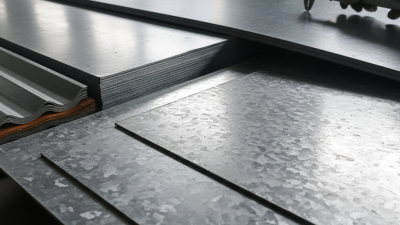
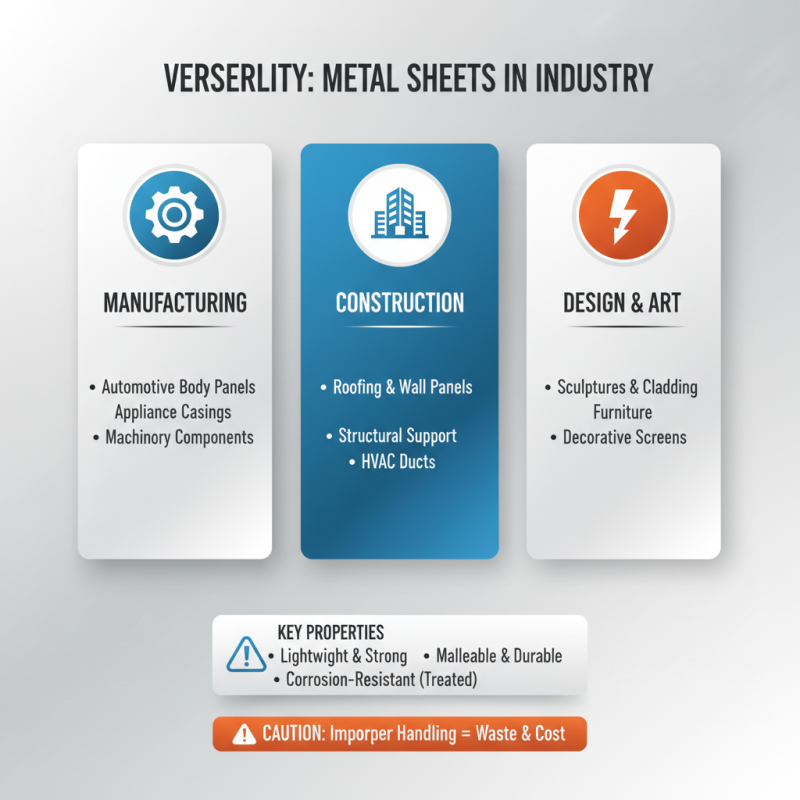
Metal sheets are essential in various industries due to their unique properties. They are lightweight yet sturdy, making them perfect for construction and manufacturing. Metal sheets can be easily cut and shaped, allowing flexibility in design. They are employed in roofing, wall panels, and structural supports. The ease of installation makes metal sheets a popular choice among builders. However, improper handling can lead to waste and increased costs.
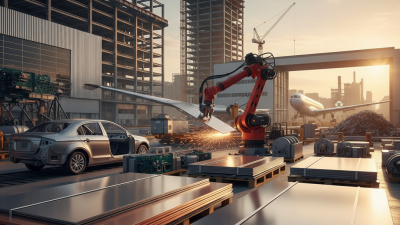
In manufacturing, metal sheets find their use in automotive and aerospace sectors. They create crucial components such as body panels and structural frames. The durability and resistance to corrosion ensure longevity in harsh conditions. Yet, the precision required in manufacturing can pose challenges. If measurements are off, parts may not fit correctly, leading to delays.
Beyond their functional benefits, metal sheets are also eco-friendly. They are recyclable, reducing environmental impact. However, reliance on metal sheets can lead to resource depletion. Balancing their use with sustainability is key. Industries must reflect on their practices to ensure responsible usage.
Sustainability: Eco-Friendly Aspects of Metal Sheet Usage
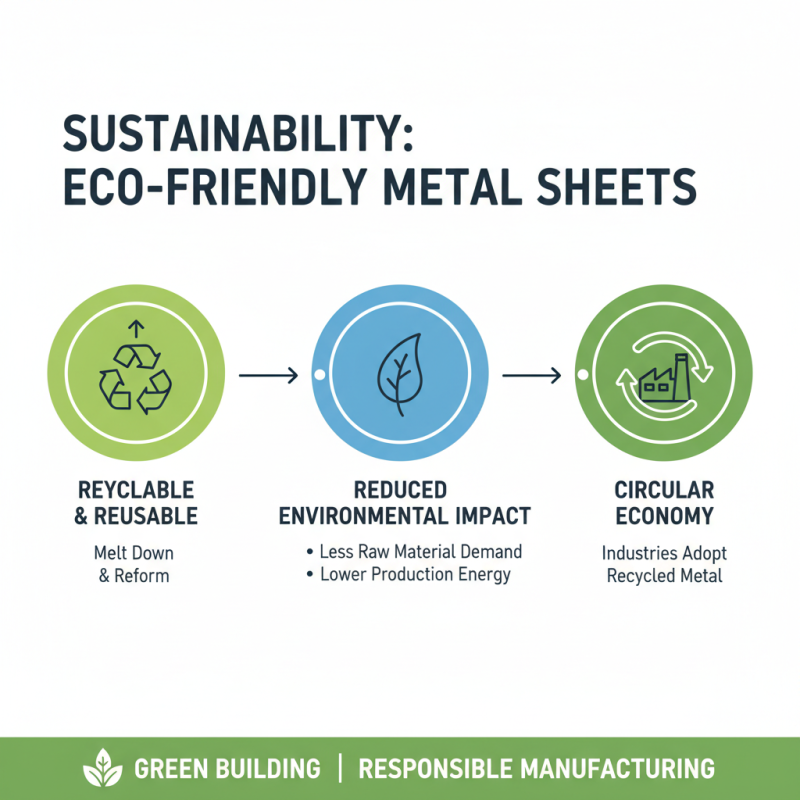
The use of metal sheets in construction and manufacturing highlights their eco-friendly attributes. Metal is recyclable, making it a sustainable choice. After its lifecycle, metal sheets can be melted down and reused. This significantly reduces the demand for raw materials. It also lowers the energy required for production. Many industries are turning to recycled metal sheets to lessen their environmental impact.
However, challenges remain. The recycling process can consume energy, and pollution may occur during production. Not all metal sheets are made from completely recycled materials. Some industries still rely on freshly mined metals. This creates a gap in sustainability efforts. Awareness of this issue is growing, prompting a shift toward greener practices in manufacturing.
Choosing metal sheets also enhances energy efficiency in buildings. Proper insulation properties can lead to reduced heating and cooling needs. However, the aesthetic appeal of recycled metal can be a concern for some. Balancing functionality and visual appeal is essential. Ultimately, the use of metal sheets can greatly contribute to sustainability, but it requires ongoing commitment to improvement.