Top 10 Benefits of Using Steel Sheet Pile for Construction Projects
The construction industry continuously seeks innovative solutions to enhance efficiency, sustainability, and structural integrity. Among these solutions, "Steel Sheet Pile" has emerged as a vital element in modern construction projects. According to a recent report by the American Institute of Steel Construction, the utilization of steel sheet piles can lead to significant cost savings and reduced construction time, making them a preferred choice for numerous applications, including retaining walls, waterfront structures, and deep foundations.
Steel sheet piles offer a range of advantages, such as their high strength-to-weight ratio and excellent corrosion resistance, which contribute to the longevity of structures in challenging environments. The Steel Construction Institute highlights that the deployment of steel sheet piles can minimize land disturbance and improve site safety, aligning with contemporary practices aimed at reducing environmental impact. Furthermore, studies indicate that using steel sheet piles can lower the overall project lifecycle cost by facilitating faster installation and minimizing the need for extensive excavation.
As construction demands escalate, understanding the top benefits of using steel sheet piles becomes crucial for project planners and engineers. This overview explores the ten primary benefits that make steel sheet piles essential in successful construction projects, showcasing the material's versatility and effectiveness in meeting modern engineering challenges.
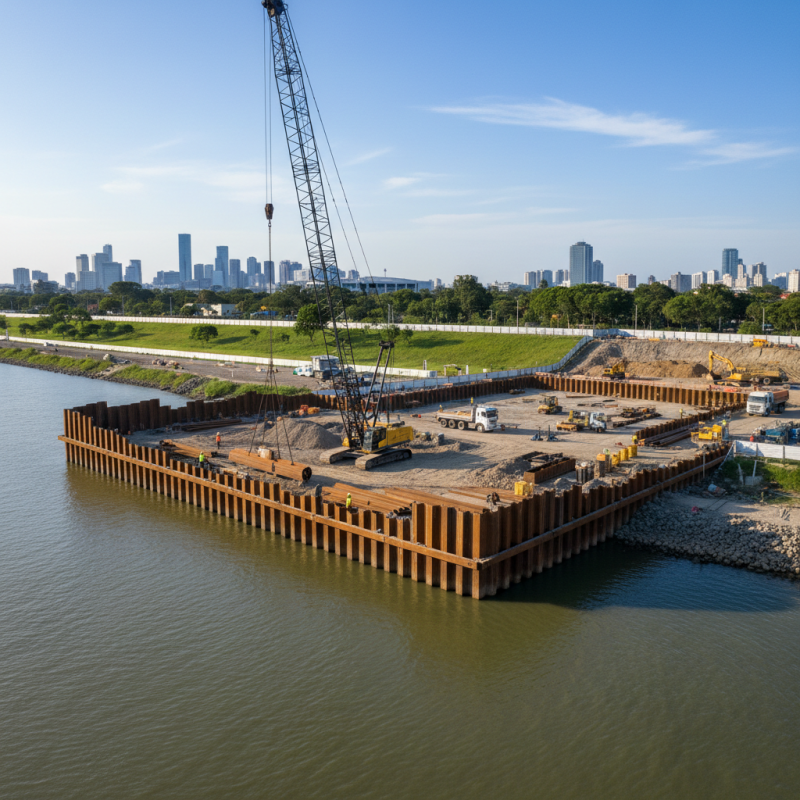
Benefits of Steel Sheet Pile in Construction: An Overview
Steel sheet piling has emerged as a preferred choice in the construction industry due to its numerous advantages, particularly in applications like retaining walls and cofferdams. One of the primary benefits of using steel sheet piles is their exceptional strength-to-weight ratio, allowing for robust structures while minimizing material costs and transportation expenses. According to the American Institute of Steel Construction (AISC), steel has a tensile strength of approximately 300 MPa, making it suitable for projects where structural integrity is paramount.
Moreover, steel sheet piles offer versatility and ease of installation. They can be driven into a variety of soil types, making them adaptable for use in diverse environments. A report from the International Journal of Civil Engineering highlights that the installation process is not only quicker than traditional methods, but it also reduces the overall construction timeline significantly, often by as much as 20%. Additionally, the reusable nature of steel means that these structures can be dismantled and relocated, further enhancing their sustainability and cost-effectiveness.
The longevity of steel sheet piles contributes to their economic viability over the long term. While the initial investment may be higher than other materials, their resilience against corrosion, especially when treated with protective coatings, extends their lifespan to several decades. A study by the World Steel Association indicates that, with proper maintenance, steel structures can last 50 years or longer, minimizing the costs associated with repairs and replacements throughout the project lifecycle. Ultimately, the inherent benefits of steel sheet piling make it a strategic choice for modern construction projects.
Cost-Effectiveness of Steel Sheet Pile in Building Projects
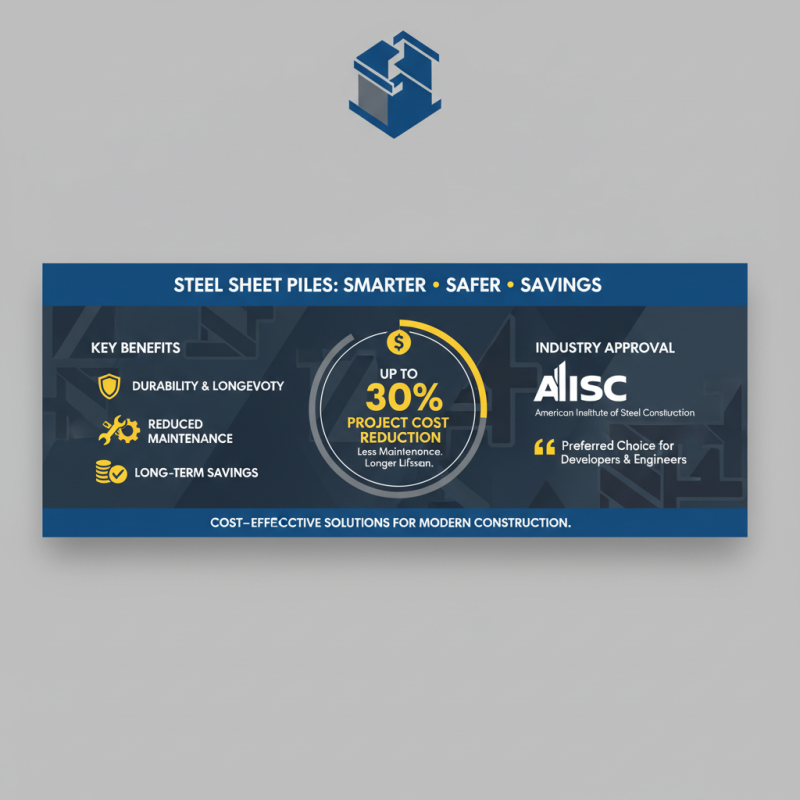
Steel sheet piles are increasingly recognized for their cost-effectiveness in construction projects, making them a preferred choice for developers and civil engineers. According to a report from the American Institute of Steel Construction, utilizing steel sheet piles can reduce overall project costs by up to 30%. This is primarily due to their durability and the reduced need for maintenance compared to traditional materials. The longevity of steel sheet piles means that they require less frequent replacement, further translating to long-term savings for construction projects.
Moreover, the installation process of steel sheet piles is generally quicker than that of concrete alternatives, which can lead to significant reductions in labor costs and project timelines. A survey published by the Foundation Engineering Research Institute found that 60% of project managers who utilized steel sheet piles reported a decrease in construction time by an average of 15%. This faster turnaround not only helps in saving money but also improves overall project efficiency, making steel sheet piles an asset in high-pressure building environments.
Tips: To maximize the cost benefits of steel sheet piles, ensure proper planning and site assessments are conducted. This helps in determining the right specifications and minimizes the risk of project delays. Additionally, considering the local availability of steel and the efficiency of piling contractors can lead to further savings. Engaging with experts who specialize in steel piling can also uncover additional insights that benefit your project's financial outcome.
Long-Term Durability and Maintenance Benefits of Steel Sheet Pile
Steel sheet piles offer significant long-term durability, making them an ideal choice for various construction projects. One standout feature is their resistance to corrosion and adverse weather conditions. When properly coated and maintained, steel sheet piles can have a lifespan exceeding 50 years, thus reducing the need for frequent replacements or repairs. This longevity not only lowers the overall lifecycle costs of a project but also ensures that structures remain stable and secure over time.
In addition to their durability, steel sheet piles require minimal maintenance compared to other materials. Their robust construction allows them to withstand heavy loads and environmental challenges without extensive upkeep. Regular inspections and simple maintenance tasks, like repainting or minor surface treatments, can significantly enhance their lifespan. This ease of maintenance is particularly advantageous for projects in challenging environments, as it minimizes downtime and labor costs associated with upkeep, thus contributing to the overall efficiency of construction operations.
Environmental Advantages of Using Steel Sheet Pile in Construction
Steel sheet piles are becoming increasingly popular in construction projects due to their numerous environmental advantages. These piles are not only highly durable and effective for earth retention but also contribute positively to sustainability efforts. One significant benefit is their ability to minimize soil disturbance during installation. Unlike traditional methods that may require extensive excavation, steel sheet piles can be driven into the ground, which preserves the existing soil structure and minimizes the risk of erosion and habitat destruction.
Moreover, steel is a highly recyclable material. When a construction project is complete, steel sheet piles can be removed and reused in new projects, significantly reducing waste. This lifecycle advantage aligns well with sustainable construction practices, as it minimizes the demand for new raw materials and decreases the carbon footprint associated with production. Utilizing steel sheet piles can also reduce the amount of concrete required in foundation works, further lessening the environmental impact.
Tip: When planning construction projects, consider using steel sheet piles not only for their structural benefits but also for their positive environmental impacts. Assessing the long-term sustainability of materials can lead to more eco-friendly choices. Additionally, always engage with local environmental regulations and standards to ensure that your project is aligned with best practices for ecological preservation.
Ease of Installation and Versatility of Steel Sheet Pile Applications
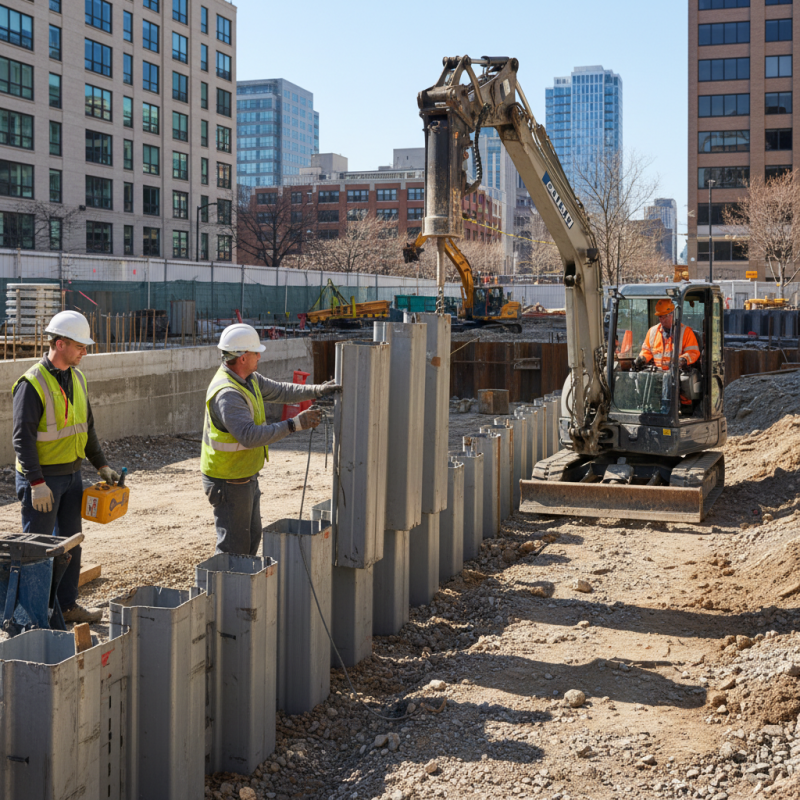
Steel sheet piles are renowned for their ease of installation, making them a favorable choice in construction projects. Their lightweight design allows for efficient handling and quick deployment, significantly reducing labor costs and project timelines. Unlike traditional concrete solutions, steel sheet piles can be driven into the ground using minimal heavy machinery, making them ideal for urban environments where space and logistical challenges may arise. This streamlined installation process not only facilitates rapid project completion but also enables contractors to adapt swiftly to changing site conditions.
Versatility is another critical advantage of steel sheet piles, as they can be utilized in a wide range of applications. Whether for effective earth retention, flood control, or creating a barrier for underwater structures, their adaptability ensures they meet diverse engineering demands. The flexibility they offer means steel sheet piles can be customized to suit specific project requirements, which is especially useful in complex infrastructure developments. Furthermore, their corrosion-resistant properties enhance durability, allowing them to perform well in various environmental conditions, thus extending their utility across multiple construction scenarios.