What are the Best Iron Sheet Options for Global Buyers in 2026?
As the global construction market evolves, the demand for quality materials continues to rise. One of the key materials in this industry is the iron sheet. Iron sheets are essential in building projects for their durability and strength. Global buyers in 2026 will seek the best options to meet their unique needs.
Choosing the right iron sheet involves understanding various factors, such as thickness, finish, and price. Each region may have its preferences, influenced by local climate and construction techniques. Buyers must evaluate suppliers based on their track records and the quality of their products. With many manufacturers available, making an informed choice can be challenging.
While the market offers a variety of iron sheet options, some may not meet expectations. Factors like corrosion resistance and manufacturability can differ significantly. Buyers need to reflect on their choices, ensuring they invest in reliable products. Addressing these nuances is crucial for success in a competitive environment. The next sections will explore the top iron sheet options for a global audience.
Best Iron Sheet Types for Global Buyers: An Overview
When it comes to iron sheets, choosing the right type is crucial for buyers worldwide. There are various options available. Galvanized iron sheets are popular due to their corrosion resistance. These sheets are coated with zinc, which provides lasting durability. This is essential for buyers in humid areas or places with extreme weather.
Another option is pre-painted iron sheets. These sheets come with a layer of paint, adding aesthetic value and protection. They are often used in residential and commercial constructions. However, the choice of color and finish can be overwhelming. Buyers should consider their local environment and maintenance needs before deciding.
Some buyers still prefer traditional black iron sheets. While less resistant to rust, they offer flexibility in terms of fabrication. They can be cut or shaped easily for various applications. This versatility is important, but it also requires regular maintenance to avoid deterioration. It's important for buyers to weigh the benefits and drawbacks of each type carefully.
What are the Best Iron Sheet Options for Global Buyers in 2026?
| Iron Sheet Type |
Thickness (mm) |
Weight (kg/m²) |
Corrosion Resistance |
Common Applications |
| Galvanized Steel |
0.5 - 3.0 |
4.5 - 24.0 |
High |
Roofs, Siding, Fencing |
| Pre-painted Steel |
0.5 - 1.5 |
4.0 - 12.0 |
Moderate |
Decorative Panels, Roofs |
| Aluzinc Steel |
0.4 - 1.2 |
3.5 - 9.0 |
Very High |
Roofing, Cladding |
| Stainless Steel |
0.5 - 2.0 |
5.0 - 15.0 |
Excellent |
High-end Roofing, Architectural Applications |
| Corten Steel |
1.0 - 3.0 |
7.5 - 24.0 |
High |
Sculptures, Weather-resistant Structures |
Comparative Analysis of Iron Sheet Materials and Grades
When evaluating iron sheet materials and grades, several factors influence global buyers in 2026. The diversity in sheet thickness, coatings, and strength tends to create a complex landscape. Steel is often used due to its recyclability and strength. A recent industry report shows that galvanized steel sheets account for nearly 40% of the market share. Their corrosion resistance is an advantage but they can be more expensive.
Another popular choice is pre-painted galvanized iron (PPGI). It offers aesthetic benefits along with the same durability. Yet, the paint can wear off over time, leading to maintenance concerns. Analysts suggest that buyers should consider the long-term performance against initial costs when selecting these materials.
Aluminum sheets are gaining traction, especially for lightweight applications. According to market analysis, aluminum's market share has risen by 20% since 2020. However, their lower tensile strength compared to steel can pose challenges for specific construction needs. Buyers must balance weight with strength, recognizing that aluminum’s corrosion resistance is not always guaranteed. Overall, understanding these variations enables informed decisions for global buyers.
Key Factors Influencing Iron Sheet Selection in 2026
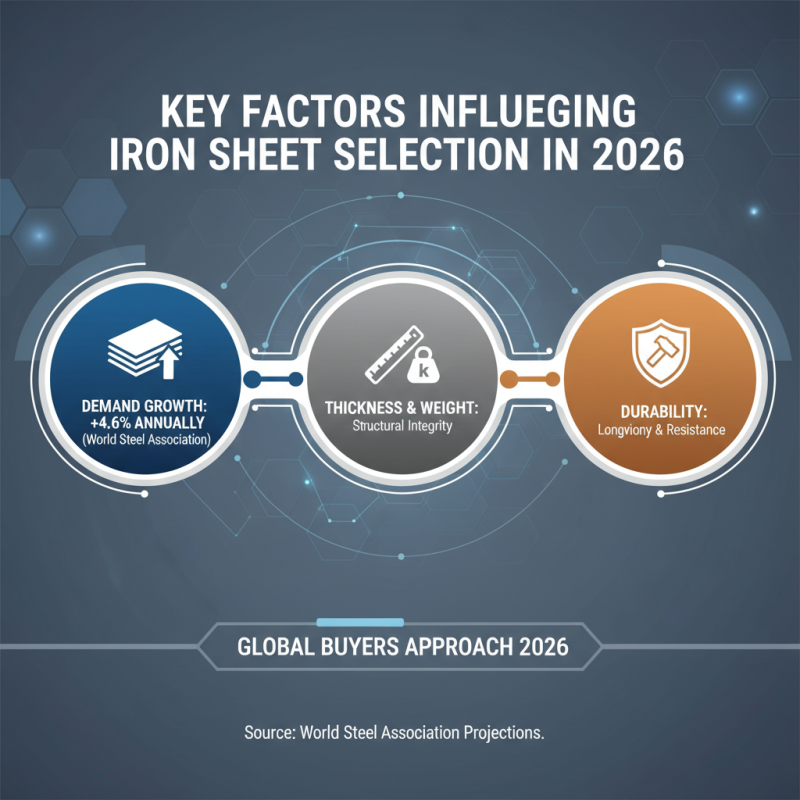
As global buyers approach 2026, selecting the best iron sheets requires careful consideration of various factors. The construction industry anticipates a rise in demand for iron sheets, projected to grow at 4.6% annually according to the World Steel Association. This growth influences preferences for thickness, weight, and durability.
Durability is a primary concern. Research indicates that galvanized iron sheets provide superior rust resistance, extending their lifespan. Buyers must consider local climate conditions when choosing materials. In humid regions, galvanized sheets often outperform standard options. Additionally, the increasing trend towards eco-friendly materials places additional pressure on buyers to select options that are both durable and sustainable.
Cost-effectiveness remains crucial. Current reports suggest fluctuations in iron prices due to global supply chain disruptions. Buyers should evaluate total costs, including installation and maintenance, rather than just initial purchase prices. Thoughtful selection can mitigate future expenses and ensure that investments in iron sheets yield lasting benefits. A strategic approach helps align iron sheet choices with project demands and sustainability goals, reflecting an evolving industry landscape.
Regional Market Trends and Preferences for Iron Sheets
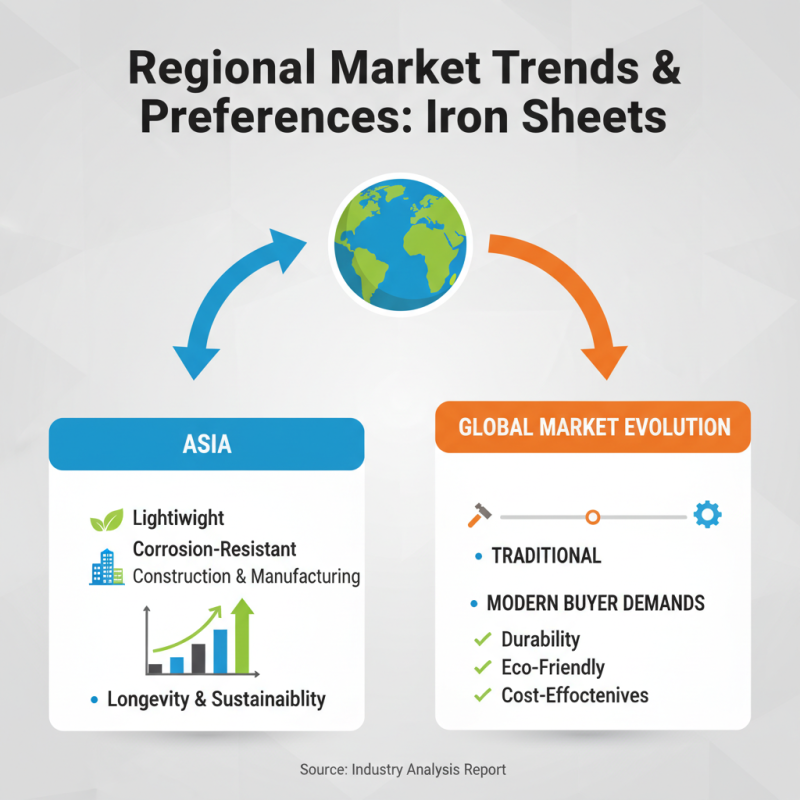
The global market for iron sheets is evolving rapidly. Regional preferences play a crucial role in determining the best options for buyers. In Asia, for instance, lightweight and corrosion-resistant sheets are gaining traction. These materials cater to the demands of construction and manufacturing industries. Buyers are increasingly leaning towards products that offer longevity and sustainability.
In Europe, aesthetics cannot be overlooked. Buyers often prefer sheets that blend functionality with visual appeal. The emphasis is on high-quality finishes and energy efficiency. As markets become more competitive, suppliers must adapt to these nuanced demands. This requires ongoing research and adaptability to changing trends.
North America presents a unique set of requirements. Buyers focus heavily on durability and compliance with safety regulations. However, a segment of the market seeks innovative designs for residential projects. The tension between compliance and creativity challenges suppliers. Each region exhibits distinct preferences, often complicating the global sourcing process. Understanding these trends will be crucial for balancing quality with market expectations.
Sustainability and Eco-Friendly Options in Iron Sheet Production
As the world progresses towards sustainability, the iron sheet industry is adapting. In 2026, buyers will look for eco-friendly options. Sustainable materials often include recycled metal. This process reduces energy consumption significantly. Using renewable energy sources for production also makes a difference.
The move towards eco-conscious practices is not without challenges. Some manufacturers struggle with sourcing sustainable raw materials. Additionally, the recycling process can create its own waste. Finding the right balance between quality and eco-friendliness is complex. Innovative solutions are emerging, yet gaps remain.
Global buyers will prioritize transparency in production. They seek insights into the materials used and the manufacturing process. Certifications can help in this evaluation. As sustainability becomes crucial, the demand for reliable, eco-friendly iron sheets will likely increase. Buyers may also want to support manufacturers who prioritize sustainability. The future of the industry depends on these choices.
Best Iron Sheet Options for Global Buyers in 2026