Best Steel Rebars for Your Construction Needs in 2026?
In the ever-evolving world of construction, choosing the right materials is crucial. Steel rebars play a pivotal role in ensuring the strength and durability of structures. As we look ahead to 2026, the demand for high-quality steel rebars continues to grow. Selecting the best products can feel overwhelming.
Steel rebars come in various grades and specifications. Understanding these details is essential for any construction project. Builders often face challenges in balancing cost and quality. In addition, there are many brands offering diverse options, making the landscape complex.
While some may overlook the importance of steel rebars, this choice can impact project longevity. A well-informed decision can save time and costs down the line. Industry experts emphasize the need for reliable suppliers. Reflecting on past experiences can guide future purchases in a rapidly changing market.
Best Types of Steel Rebars for Different Construction Projects
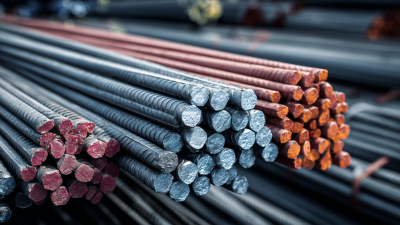
When selecting steel rebars for construction projects, it's crucial to understand the various types and their applications. According to the American Concrete Institute, the most common types of steel rebars include epoxy-coated, galvanized, and stainless steel. Each type offers distinct benefits suitable for specific construction needs. Epoxy-coated rebars resist corrosion, making them ideal for bridges and coastal structures. Galvanized rebars also provide excellent durability, well-suited for regions with high humidity.
A recent report from the National Association of Home Builders indicates that using the right rebar can enhance concrete's lifespan by up to 25%. For landscaping projects or residential applications, plain and deformed rebars are usually sufficient. Deformed bars provide better bonding with concrete, which is crucial for structural integrity. However, for heavy-duty projects, such as commercial buildings, opting for higher-grade steel might be wise.
**Tip**: Always consider environmental factors in your rebar choice. For instance, projects in saltwater areas should prioritize corrosion-resistant options. Ensure to verify the grade and yield strength of the rebars you select; it not only affects performance but can also impact the overall safety of the structure. Evaluate your project needs carefully before making a decision.
Best Steel Rebars for Your Construction Needs in 2026
Key Factors to Consider When Choosing Steel Rebars in 2026
When selecting steel rebars for construction projects in 2026, several key factors demand attention. First, understanding the grade of steel is essential. Steel grades influence the rebar's strength and flexibility. Rebars come in various grades, with higher grades offering better tensile strength. This choice is pivotal for ensuring structural integrity.
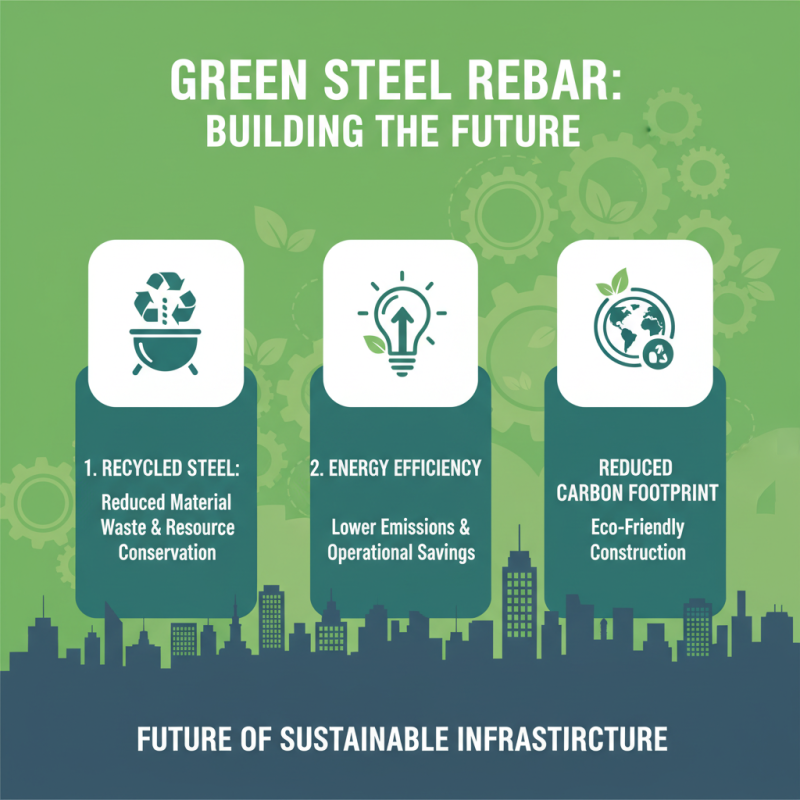
Another important consideration is corrosion resistance. In various environments, traditional steel may corrode over time. Using epoxy-coated or galvanized rebars can enhance longevity. This is particularly crucial in areas with high moisture levels. Additionally, environmental sustainability is becoming vital. Opting for recycled materials may reduce the project's carbon footprint.
Cost is also a major factor. While high-quality rebars may have a higher initial cost, their durability can lead to savings in the long run. It's worth assessing the total cost of ownership. Always remember, cheaper options may save money upfront but could lead to higher repair costs later. A thoughtful selection process is necessary to ensure that your choice meets both immediate and future needs.
Comparison of High-Quality Steel Rebar Brands and Their Features
When selecting steel rebar for construction in 2026, it's crucial to compare features and qualities of different brands. A recent industry report shows that high-strength rebar offers better durability and resistance to corrosion. For instance, epoxy-coated and galvanized rebar can significantly extend the lifespan of structures in harsh environments.
The choice of grade matters. Standard grades, such as Grade 60, provide adequate strength for most applications. However, projects demanding higher load capacities should consider Grade 75 or higher. These grades are designed to withstand significant stress and prevent failure. A study highlighted that choosing the correct rebar can reduce the overall material costs by approximately 15%.
Another aspect to assess is the production method. Steel rebar made from high-quality steel scrap tends to exhibit more consistent properties. However, some recycled materials may not meet specified standards. This inconsistency can lead to unforeseen weaknesses in construction. As project managers, acknowledging these differences in material sources is essential for ensuring structural integrity. Balance between cost and quality is required; cheap rebar could result in expensive repairs down the line.
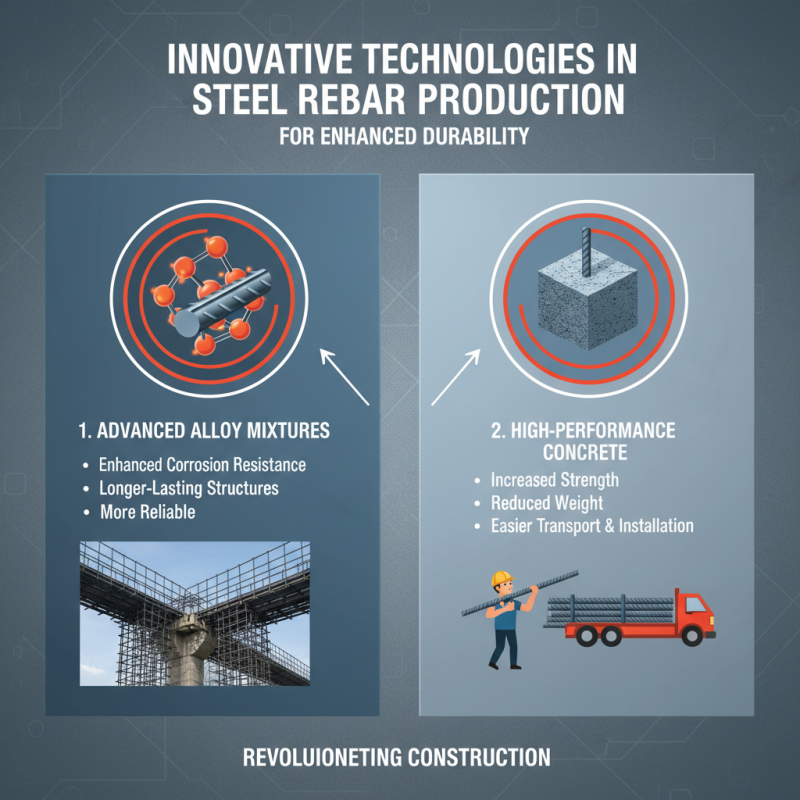
Innovative Technologies in Steel Rebar Production for Enhanced Durability
Innovative technologies in steel rebar production are revolutionizing the construction industry. One prominent advancement is the use of advanced alloy mixtures. These mixtures enhance the rebar's resistance to corrosion. The result is longer-lasting and more reliable structures. Another key development is the application of high-performance concrete. This approach increases the strength of the bars while reducing their overall weight. Lighter materials mean easier transport and installation.
Research into recycled materials also holds promise. Incorporating recycled steel into production can yield high-quality rebars. This not only conserves resources but also lowers costs. However, it raises questions about uniformity and strength. Each batch's quality must be carefully monitored. Additionally, automated manufacturing processes are becoming more common. Automation helps improve consistency, but it can increase reliance on technology. Human oversight remains crucial.
New testing methods are being adopted to ensure durability. These tests assess performance under extreme conditions. While innovation is exciting, it also presents challenges. Some technologies may not yet be fully understood, leading to potential risks. Balancing innovation with reliability is essential for the industry. The evolution of rebar continues, but scrutiny will remain vital.