What Is Channel Steel Types Uses and Sizes?
Channel Steel is a familiar structural profile, yet its selection is rarely as simple as choosing a catalog size. Its open U-shaped section can support floors, frames, equipment bases, trailers, racks, and fabrication projects. The details matter: flange width, web depth, thickness, steel grade, corrosion exposure, and connection method can change performance significantly.
The World Steel Association reported approximately 1.89 billion tonnes of crude steel production worldwide in 2023. That scale reflects steel’s continuing importance in construction and manufacturing. However, production volume does not guarantee a suitable section. AISC 360-22 and EN 10365 provide useful design and dimensional references, while regional standards may define different tolerances and designation systems. Check the applicable standard.
Structural-steel researcher Dr. W. F. Chen emphasized a principle often summarized as, “Good design begins with understanding structural behavior.” It fits Channel Steel well. The visible profile is straightforward. The stress path is not.
This guide examines common Channel Steel types, including hot-rolled channels, press-braked sections, and galvanized options. It also explains typical uses, nominal sizes, weight considerations, and practical selection limits. Tables may look precise. Real projects are less tidy. Mill tolerances, unsupported length, eccentric loading, weld distortion, and local buckling can alter the result.
A section that appears strong in a warehouse catalog may perform poorly with an oversized opening or weak connection. Experience still matters. Use published data, verify supplier certificates, and obtain qualified engineering review before structural application.
Channel Steel: Definition, Structure, and Key Characteristics
Channel Steel: Definition, Structure, and Key Characteristics
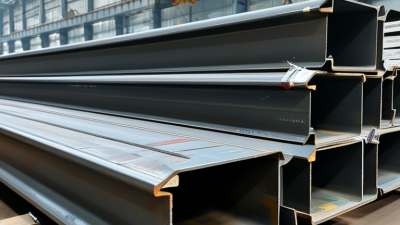
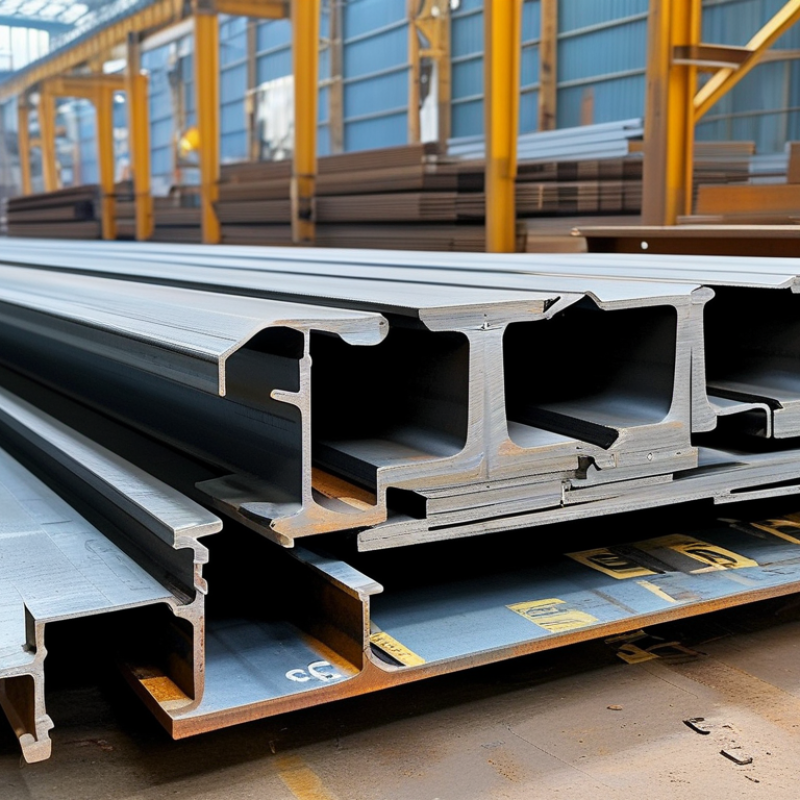
Channel steel is a structural section with one web and two flanges. Its cross-section resembles the letter C or U. The web carries shear forces, while the flanges resist bending and provide connection surfaces. Hot-rolled channels usually offer stronger load performance. Cold-formed channels are lighter and easier to cut on site. They serve in frames, equipment supports, rails, and building edges.
Size selection depends on depth, flange width, thickness, and mass per metre. A deeper web generally improves bending resistance. Thicker flanges can support heavier connections.
Engineers also check section modulus, buckling length, and load combinations. In practice, a 100-millimetre channel feels very different from a 300-millimetre section during handling. Small changes matter.
The World Steel Association reported 1,892.2 million tonnes of crude steel production in 2023. This scale reflects steel’s continuing role in global construction and manufacturing.
Structural specifications commonly reference yield strength, tensile strength, straightness, and dimensional tolerance. However, a catalogue size alone does not confirm suitability.
Site moisture can accelerate corrosion, especially around bolt holes and cut edges. Protective coating helps, but coating damage is often underestimated.
My view is cautious: designers should verify manufacturer tables, project loads, and applicable standards together. Mistakes usually begin with weight assumptions.
Main Types of Channel Steel and Their Differences
What Is Channel Steel Types Uses and Sizes?
Main Types of Channel Steel and Their Differences
Channel steel is a structural section with a web and two flanges. Its open shape offers useful strength with less material than a solid bar. In site work, I have seen channel sections used for frames, equipment supports, edge beams, cable routes, and bracing. Their performance depends on steel grade, thickness, connection design, and loading direction.
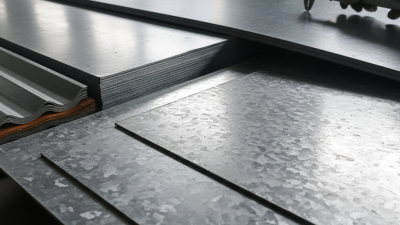
Hot-rolled U channels have thick walls and rounded corners. They handle heavy loads and impact more reliably than many light sections. Their flanges may taper slightly, which affects connections and fitting accuracy. Cold-formed C channels usually have sharper bends and thinner walls. Many include small lips at the flange edges. These lips improve resistance to twisting and local buckling. However, thin C sections can deform during drilling or uneven installation.
Strut channels are often perforated or slotted. They suit adjustable supports for pipes, cables, and light equipment. They are convenient, but not automatically suitable as primary beams. Sizes are identified by depth, flange width, wall thickness, and length. A deeper channel usually resists bending better, while greater thickness improves durability and connection strength. Metric sizes may range from compact sections under 50 millimeters deep to heavy sections exceeding 300 millimeters. Actual capacity still requires engineering checks. This is where quick assumptions fail. Corrosion protection, hole placement, and end connections can change the result.
Channel Steel Sizes, Dimensions, and Weight Standards
Channel steel is a rolled section with a web and two flanges. Its dimensions control strength, fit, and connection details. For accurate selection, engineers check nominal depth, flange width, web thickness, flange thickness, cross-sectional area, and weight per metre or foot.
EN 10365:2017 lists dimensions and theoretical masses for European channels. For example, a UPN 100 section weighs about 10.6 kg/m, while a UPN 200 weighs about 25.3 kg/m. The AISC Shapes Database v16.0 reports American channels in pounds per foot. A C10x15.3 section has a nominal depth of 10 inches and weighs 15.3 lb/ft. These values are theoretical. Actual mill weight can vary within applicable tolerances. ASTM A6/A6M defines general dimensional and weight requirements for structural steel products. Always check the current edition.
Tips: Measure the delivered section. Do not rely only on the label. Confirm the steel grade, length, straightness, and mill certificate before fabrication. A field check often catches ordering mistakes early. It is not perfect, but it works.
Channel steel supports frames, stair stringers, equipment bases, edge members, and light structural bracing. Size alone does not determine performance. Bending direction, unbraced length, corrosion allowance, and connection eccentricity also matter. A heavier channel may still perform poorly if its open side twists under load. Designers should compare section properties, not weight alone. Some catalog tables appear simple, yet their assumptions can be easy to miss.
What Is Channel Steel Types Uses and Sizes? - Channel Steel Sizes, Dimensions, and Weight Standards
| Channel Type |
Typical Profile |
Common Uses |
Typical Manufacturing or Design Standard |
| UPN Channel |
Parallel web with tapered flanges |
Beams, columns, frames, supports, equipment bases |
EN 10365; dimensional tolerances commonly related to EN 10024 |
| UPE Channel |
Parallel flanges with a relatively lighter section than comparable UPN sizes |
Structural framing, walkways, platforms, vehicle and machinery structures |
EN 10365 |
| Cold-Formed C Section |
Thin-gauge C-shaped profile, often with lip stiffeners |
Light-gauge walls, roof purlins, secondary framing, cladding supports |
EN 10162 or applicable national cold-formed steel design rules |
| Structural C Shape |
Hot-rolled American-style C section with unequal flange geometry |
Industrial frames, crane supports, vehicle chassis, bracing and connections |
ASTM A6/A6M dimensional requirements and the applicable material specification |
Common UPN Channel Sizes and Masses
| Designation |
Overall Depth h (mm) |
Flange Width b (mm) |
Web Thickness tw (mm) |
Flange Thickness tf (mm) |
Approx. Mass (kg/m) |
Approx. Area (cm²) |
| UPN 80 |
80 |
45 |
6.0 |
8.0 |
8.64 |
11.0 |
| UPN 100 |
100 |
50 |
6.0 |
8.5 |
10.6 |
13.5 |
| UPN 120 |
120 |
55 |
7.0 |
9.0 |
13.4 |
17.0 |
| UPN 140 |
140 |
60 |
7.0 |
10.0 |
16.0 |
20.4 |
| UPN 160 |
160 |
65 |
7.5 |
10.5 |
18.8 |
24.0 |
| UPN 180 |
180 |
70 |
8.0 |
11.0 |
22.0 |
28.0 |
| UPN 200 |
200 |
75 |
8.5 |
11.5 |
25.3 |
32.2 |
| UPN 220 |
220 |
80 |
9.0 |
12.5 |
29.4 |
37.4 |
| UPN 240 |
240 |
85 |
9.5 |
13.0 |
33.2 |
42.3 |
| UPN 260 |
260 |
90 |
10.0 |
14.0 |
37.9 |
48.3 |
| UPN 280 |
280 |
95 |
10.0 |
15.0 |
41.8 |
53.3 |
| UPN 300 |
300 |
100 |
10.0 |
16.0 |
46.2 |
58.8 |
Channel Steel Selection and Calculation Reference
| Item |
Reference or Formula |
Practical Meaning |
| Nominal designation |
UPN 200 means a nominal depth of approximately 200 mm |
The designation identifies the profile family and nominal size; verify the full section table before fabrication. |
| Cross-sectional area |
Area is listed in cm² and is used for stress and axial-capacity calculations |
A larger area generally provides greater axial resistance, subject to buckling and connection checks. |
| Theoretical mass |
Mass per metre is based on steel density of approximately 7,850 kg/m³ |
Actual delivered mass may vary within the dimensional and mass tolerances permitted by the applicable standard. |
| Approximate total mass |
Total mass = mass per metre × purchased length |
Use the supplier’s certified section mass for ordering, transport and structural documentation. |
| Material verification |
Check the applicable material grade, yield strength, weldability and impact requirements |
Profile size alone does not confirm structural capacity or suitability for a specific application. |
Dimensions and theoretical masses shown for UPN sections are representative standard values. Confirm the current edition of EN 10365 and the applicable project specification before design, purchasing or fabrication.
How to Select the Right Channel Steel for a Project
Channel steel is commonly supplied as hot-rolled C or U sections, cold-formed channels, and lipped sections. Each type suits different conditions. Hot-rolled channels handle heavier structural loads, while cold-formed sections reduce weight in framing and secondary supports. Sizes are identified by nominal depth, flange width, thickness, and mass per metre. For example, a designer may compare 100 mm and 150 mm deep channels, but the larger section is not automatically safer.
Selecting the right channel steel starts with the load path. Check bending, shear, deflection, local buckling, connection strength, and corrosion exposure. A 2024 World Steel Association report recorded about 1,892 million tonnes of crude steel production worldwide in 2023. Supply is extensive, yet local stock may exclude uncommon sizes. Use certified section tables, mill certificates, and the governing design standard. Section properties should match the actual thickness, not only the catalogue name. A neat spreadsheet cannot replace site measurements. That is an easy mistake.
Tips: Match the channel to the load, span, and support condition. Confirm whether the flange faces inward or outward before detailing connections. Allow space for bolts, weld access, drainage, and protective coatings. Compare mass per metre with lifting limits and installation costs. Designers sometimes choose a thicker section too quickly; a braced, lighter section may perform better. Still, that option needs proper stability checks. Consult current manufacturer-neutral tables and qualified structural engineers before fabrication.
What Is Channel Steel? Types, Uses and Sizes
Standard UPN channel sections increase in structural capacity as nominal depth and mass per metre rise. Use the required span, load, connection method, corrosion exposure and available space to select the appropriate size.
The chart uses commonly specified UPN channel sizes and nominal masses per metre from European structural steel section tables. Larger sections generally provide greater bending resistance, but the final choice should also be checked for buckling, deflection, shear, steel grade and design-code requirements.