How to Choose Channel Steel for Global Procurement Needs?
Selecting the right Channel Steel for global procurement involves careful consideration of various factors. The quality, dimensions, and coating of Channel Steel significantly impact its performance in different applications. Buyers must ensure that the Channel Steel meets specifications for their intended use, particularly in construction or manufacturing.
Understanding the origin of Channel Steel is crucial. Different manufacturers may offer varying quality levels. It's essential to assess the reputation of suppliers. Established suppliers can provide reliable products backed by quality assurance processes. Researching market trends and supply chains will enhance procurement decisions.
Lastly, the cost of Channel Steel should not overshadow quality. A lower price may indicate compromised standards. Buyers should weigh the long-term benefits of investing in high-quality Channel Steel against short-term savings. Making informed choices requires balancing cost with reliability and durability, often leading to deeper reflections on procurement strategies.
Understanding Channel Steel Types and Specifications
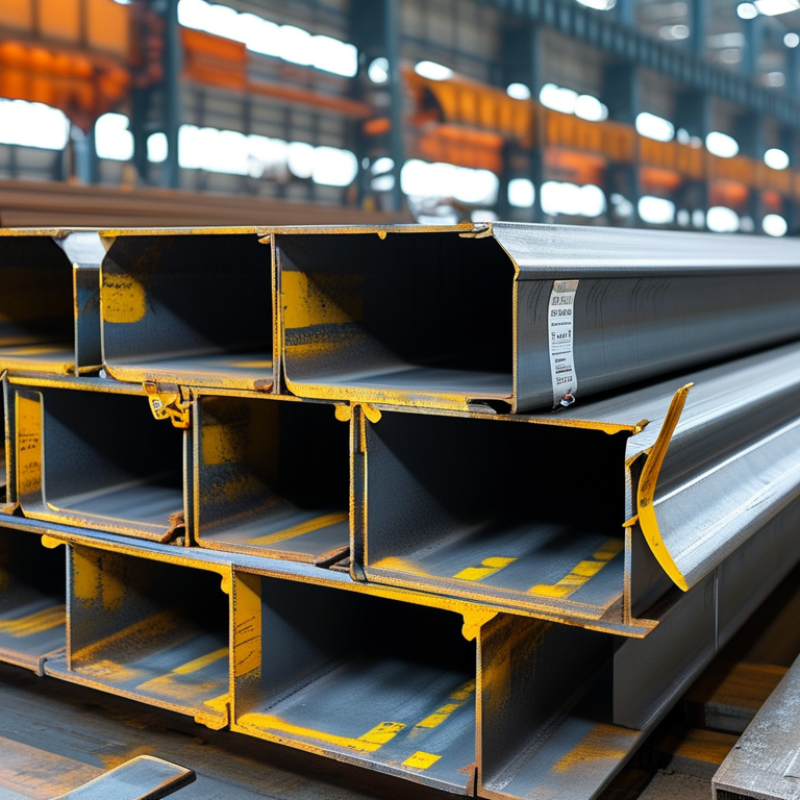
When selecting channel steel, understanding the types and specifications is crucial. Channel steel, available in different shapes and sizes, serves various construction needs. Common types include U-shaped and C-shaped channels, each with specific applications. U-shaped channels provide better support in construction, while C-shaped channels are lightweight and often used in lighter structures.
Tips for choosing channel steel: Focus on the size and load-bearing capacity. Ensure that your selected type fits your project’s requirements. Consider the environment as well; some materials resist corrosion better than others. For instance, hot-rolled steel is durable but may not withstand harsh environments as well as galvanized options.
Another important aspect is the specification. Check the standards that govern channel steel in your region. Different standards may affect quality and usage. Do not overlook the need for certifications that verify the material's performance. Review even minor specifications; they can impact the final outcome of your project.
Be aware that more expensive options may not always guarantee superior quality. Sometimes, mid-range products offer exceptional value. Engage with suppliers who emphasize transparent communication. This helps eliminate surprises later in your procurement process.
Assessing Quality Standards for Channel Steel in Global Markets
When assessing quality standards for channel steel in global markets, it’s essential to consider various factors. Specifications can vary widely among different countries. Look for recognized standards, such as ASTM or EN. These guidelines ensure a baseline for quality. However, the presence of these standards does not guarantee performance.
Engage with suppliers directly. Ask for certification documents and conduct your own assessments. Inspection of physical samples can reveal much about the material's integrity. Beware of overly polished marketing materials. They can sometimes mask underlying issues. Transparency from suppliers is crucial.
Regional grades can influence channel steel properties. Some regions may prioritize load-bearing capacity, while others focus on corrosion resistance. This can create confusion during procurement. Understanding the specific needs of your project will help clarify what quality you require. Be prepared to adjust your expectations based on your findings.
Evaluating Suppliers and Manufacturers for Channel Steel Procurement
When evaluating suppliers and manufacturers for channel steel procurement, it's crucial to consider several factors. Reliable data shows that over 40% of procurement experts prioritize supplier reliability before cost. Supplier audits can reveal manufacturing capabilities and quality control measures. Look for companies with certifications, such as ISO 9001, as this highlights their commitment to quality.
Tips: Always ask for detailed product specifications. This can help you assess quality versus cost effectively. Supplier references can also validate their claims. Consider the geography of suppliers, as local sources may reduce shipping time and costs.
Another aspect is the financial stability of the manufacturer. Research shows that 30% of procurement decisions are influenced by a supplier's financial health. This insight can mitigate risks associated with project delays. Beware of suppliers that promise unrealistic delivery timelines. Their ability to meet demands may be overstated. Quality assurance processes should be transparent; ask for documentation proving standards and testing results.
How to Choose Channel Steel for Global Procurement Needs? - Evaluating Suppliers and Manufacturers for Channel Steel Procurement
| Supplier Location |
Channel Steel Type |
Thickness (mm) |
Weight (kg/m) |
Price (USD/m) |
Delivery Time (Days) |
| China |
U Channel |
5 |
20.5 |
300 |
30 |
| India |
C Channel |
6 |
24.7 |
350 |
25 |
| USA |
C Channel |
7 |
27.3 |
400 |
20 |
| Germany |
U Channel |
8 |
30.1 |
450 |
15 |
| Brazil |
C Channel |
5 |
22.0 |
280 |
35 |
Analyzing Cost Factors in Channel Steel Sourcing Decisions
When evaluating channel steel for global procurement, cost factors play a crucial role. The initial purchase price is the most obvious aspect. However, consider transportation costs as well. Some suppliers may offer low prices, but their shipping fees can negate those savings. Evaluating the total landed cost often presents a clearer picture.
Quality is a significant factor too. Cheaper channel steel may compromise on durability or compliance with industry standards. Always assess the material grade and certification. A lack of standards could lead to failures. Understand the risks of choosing cost over quality.
Tips for cost-effective sourcing include thorough market research. Compare multiple suppliers to gauge which offers the best overall value. Establish relationships with manufacturers for potential discounts on bulk orders. Regularly revisiting quotes can help you adapt to fluctuating market conditions.
Stay informed about global steel prices, as they can vary significantly. Be wary of market volatility. It's essential to factor these fluctuations into your decision-making process. If you notice an anomaly in pricing, investigate further before making a commitment. Your diligence can prevent costly mistakes.
Navigating Legal and Compliance Considerations in Channel Steel Purchase
Navigating legal and compliance considerations is crucial when procuring channel steel globally. Different countries have varied regulations regarding materials and import standards. Understanding these regulations is essential to avoid penalties and ensure quality. Many businesses overlook the importance of local compliance, which can lead to costly delays.
When purchasing channel steel, consider the following tips. Always verify the supplier’s certifications. This ensures the materials meet safety and quality standards. Engage legal experts familiar with import regulations in your target countries. This expertise will help you navigate complex legal landscapes confidently. Additionally, audit your supply chain regularly to ensure compliance with evolving regulations.
Neglecting legal aspects can have unintended consequences. For example, certain materials may not meet environmental regulations, leading to fines. It’s beneficial to conduct thorough research and engage local partners who understand regional laws. This can save time and resources in the long run.