How to Choose the Right Steel Sheet Pile for Your Project?
Selecting the correct Steel Sheet Pile for your project is crucial. According to the American Institute of Steel Construction, the demand for steel sheet piles is expected to grow by 5.5% annually through 2025, driven by infrastructure needs and environmental protection. This trend reflects a significant shift towards sustainable construction practices, and steel sheet piles play an essential role.
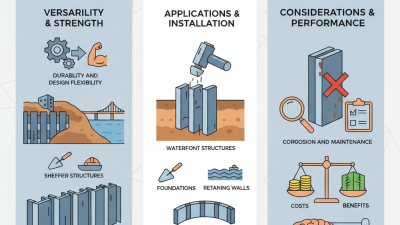
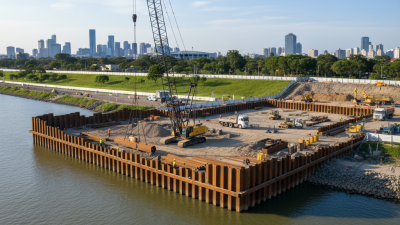
Understanding the specific requirements of your project is key. Different types of steel sheet piles, such as interlocking or double-wall designs, provide distinct advantages. For instance, interlocking piles can support greater loads, making them ideal for waterfront construction. The National Steel Bridge Alliance reports that using high-quality steel sheet piles can enhance durability and reduce long-term maintenance costs by 30%.
However, selecting the right Steel Sheet Pile is not without challenges. Project managers must consider factors such as soil conditions and water levels, which can significantly impact performance. Making informed decisions requires expert knowledge and experience in the field. Often, a lack of awareness about these variables can lead to project delays or unexpected costs. By understanding the complexities involved, stakeholders can make better choices that drive successful outcomes.
Factors to Consider When Selecting Steel Sheet Piles
Choosing the right steel sheet pile is crucial for project success. Various factors influence this decision. Load capacity is one key consideration. A report from the American Institute of Steel Construction highlights that piles must support the intended loads effectively. Overloading can cause structural failure.
Soil condition also plays a significant role. A geotechnical assessment will determine soil type and stability. For instance, clay soils can exert more lateral pressure than sandy soils. Understanding soil properties helps you select appropriate pile dimensions and coatings. It is vital to match the pile characteristics to the site conditions.
Design life is another factor. Steel sheet piles have a different lifespan based on environmental conditions. Corrosion-resistant coatings can extend their longevity. For example, piles in saltwater environments deteriorate faster. Reviewing performance data from regional case studies can aid in making informed decisions.
Factors to Consider When Selecting Steel Sheet Piles
Types of Steel Sheet Piles: Overview and Applications
When selecting steel sheet piles for a construction project, understanding the types and their applications is crucial. Steel sheet piles are available in various profiles, including Z-shaped, U-shaped, and flat sheet piles. Each profile has distinct applications based on structural needs. For example, Z-shaped piles offer high resistance to bending and are ideal for deep excavation projects. In contrast, U-shaped piles are often used in waterfront engineering due to their ability to withstand corrosion.
The effectiveness of steel sheet piles is backed by industry data. According to the American Institute of Steel Construction, properly designed steel sheet piles can provide up to 50% savings on construction time compared to traditional retaining walls. This efficiency can lead to faster project completion, making them a popular choice among engineers. Additionally, the longevity of steel sheet piles contributes to their reliability, with many lasting over 50 years when properly maintained.
Choosing the right type demands careful consideration of environmental conditions. Soil types, water levels, and projected loads must also factor into the decision-making process. Many projects overlook these aspects, leading to potential failures. For instance, not accounting for soil expansion can compromise the integrity of installed piles. Continual learning and referencing updated engineering practices can significantly enhance project outcomes.
How to Choose the Right Steel Sheet Pile for Your Project?
| Type of Steel Sheet Pile |
Common Applications |
Advantages |
Disadvantages |
| Z-type Steel Sheet Pile |
Marine Structures, Heavy Load Applications |
High resistance to bending, good interlocking capability |
More complex installation process |
| U-type Steel Sheet Pile |
Retaining Walls, Temporary Structures |
Easy to handle and install, good for lighter applications |
Lower resistance compared to Z-type |
| Straight Web Steel Sheet Pile |
Underground Structures, Bridge Abutments |
Straightforward design, good for constrained spaces |
Limited load bearing capacity |
| Combined Steel Sheet Pile |
Deep Foundations, Waterfront Projects |
Excellent load distribution, versatile applications |
Higher material costs |
Assessing Load Requirements for Your Project
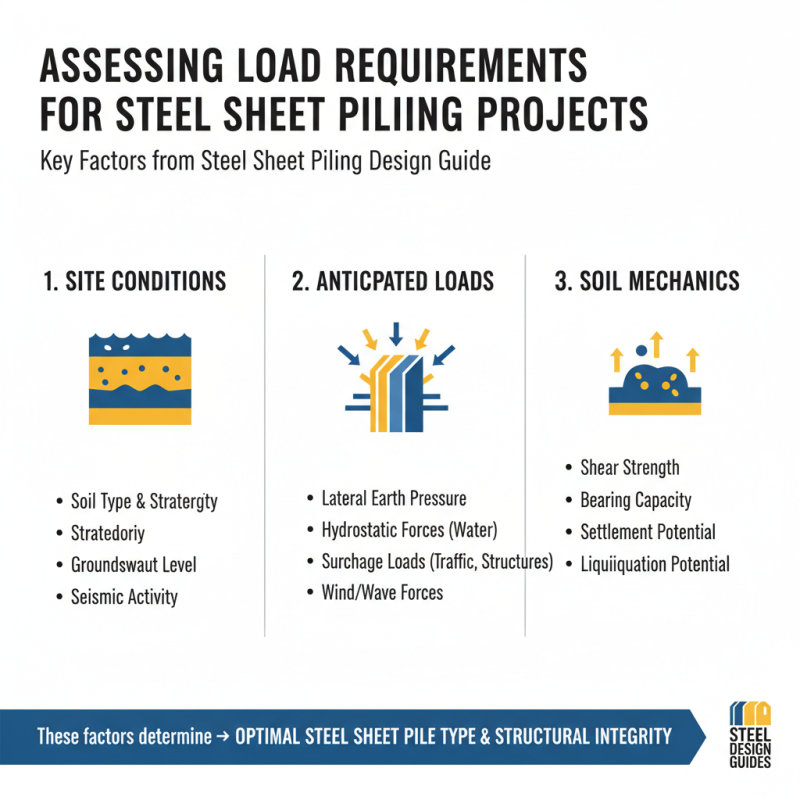
When assessing load requirements for your project, understanding the specific demands is crucial. According to the Steel Sheet Piling Design Guide, the primary factors to consider are site conditions, anticipated loads, and soil mechanics. The loading conditions include lateral earth pressures, hydrostatic forces, and surcharge loads. Each of these factors influences the type of steel sheet pile needed for optimal structural integrity.
For instance, a project located near water may require additional considerations for buoyant forces. The American Institute of Steel Construction notes that a well-structured analysis can reduce risks associated with improper load assessments. This is essential; failing to thoroughly evaluate these factors can lead to costly project delays and safety hazards.
Additionally, the choice of sheet pile thickness plays a significant role in load-bearing capacity. A thin profile may be inadequate for high-load scenarios, potentially leading to deformation or failure. Industry standards suggest engaging in detailed geotechnical investigations to establish the right specifications, considering parameters like soil type and moisture content. While historical data offers guidance, each project poses unique challenges that require customized solutions.
Durability and Corrosion Resistance in Steel Sheet Pile Selection
Choosing the right steel sheet pile involves understanding durability and corrosion resistance. These factors are crucial for the longevity of your project. Steel sheet piles can face harsh environmental conditions, such as saltwater exposure and chemical attacks. Proper selection ensures that the steel remains intact over time.
Corrosion resistance is not just about the material. The coating and additional treatments significantly impact performance. Various finishes can provide more protection from elements. However, these options often come with trade-offs in terms of cost and maintenance. For instance, galvanized steel has good corrosion resistance but may not be suitable for all environments.
Understanding the site conditions is essential when selecting steel sheet piles. Soil chemistry, moisture levels, and temperature variations can all influence performance. Some environments may require a deeper analysis of long-term durability. Regular inspections and maintenance are also advisable, as unforeseen issues may arise. This process helps to maximize the life of the steel piles and ensures project integrity.
Cost-Benefit Analysis of Different Steel Sheet Pile Options
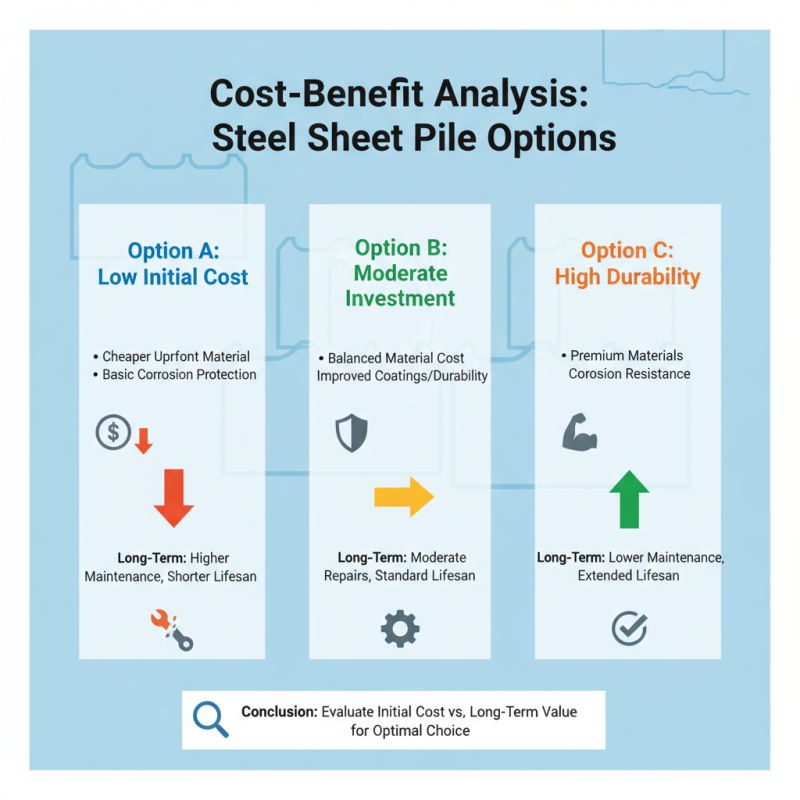
When selecting steel sheet piles, cost is a major factor. However, the cheapest option isn’t always the best. Conducting a thorough cost-benefit analysis can provide valuable insights. Factors to consider include initial costs, long-term maintenance, and overall durability. Some piles may cost less upfront but will require more frequent repairs.
Durability is vital for long-term projects. Higher-quality steel piles may have a higher initial cost but can last decades. This means fewer replacements and repairs. As you evaluate options, keep in mind the environmental conditions. Corrosion resistance can significantly influence the lifespan of your sheets. In areas with harsh conditions, investing in better materials pays off in the long run.
Additionally, consider installation costs. Some types of steel sheet piles are easier to drive and handle. This can reduce labor costs and total project time. Always reassess your choices, as the best decision today might change tomorrow. Trends and technologies in the steel industry evolve. Staying informed will ensure you make the best choice for your needs.