How to Choose the Best Angle Bar for Your Project?
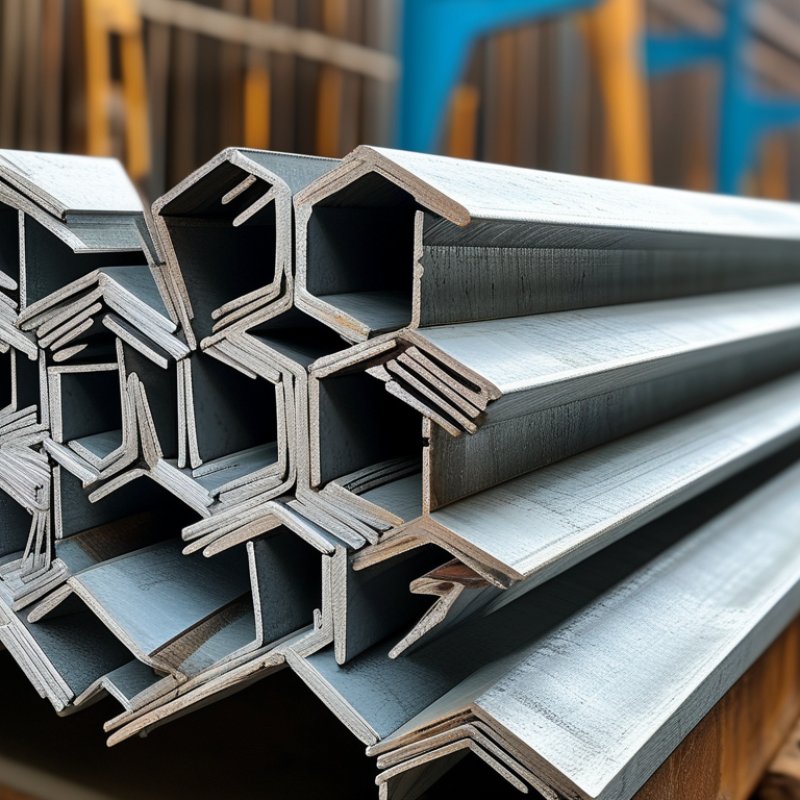
Choosing the right angle bar for your project is crucial. An angle bar can significantly impact the structural integrity of your work. Many projects rely on angle bars for strength and stability.
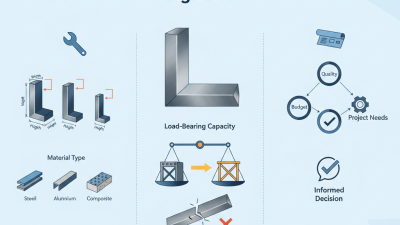
Consider the material of the angle bar. Common options include steel and aluminum. Each material has its benefits and drawbacks. Steel offers high durability, while aluminum is lightweight and resistant to corrosion. Think about what fits your needs best.
Another factor to reflect on is the size and dimension of the angle bar. Larger dimensions might suit heavy-duty applications, but they can also be cumbersome. Smaller bars might be easier to handle, yet they may lack strength. Finding the perfect balance is essential. Ensure you evaluate how the angle bar will perform under stress. Remember, your choice can impact the overall success of your project.
Understanding Angle Bar Specifications: Dimensions and Grades
When selecting an angle bar for your project, understanding specifications is crucial. Angle bars come in various dimensions and grades. The dimensions typically include the length, width, and thickness. Common sizes range from 20 mm to 200 mm in width. Thickness can vary from 3 mm to 20 mm. Knowing the specific dimensions you need is essential to ensure strength and durability.
Different grades of angle bars indicate varying levels of strength and resistance. For example, a higher grade may provide better resistance to corrosion and deformation. It's valuable to understand which grade fits your project. Sometimes, the cost difference between grades can be significant. Reflecting on your project's requirements can clarify which angle bar grade is necessary.
It's also worth noting that not all suppliers may provide accurate specifications. Discrepancies can lead to project delays or failures. Researching suppliers and seeking recommendations can mitigate this risk. Balancing quality and cost can be difficult. Ensuring you choose the right angle bar means weighing these factors carefully. Knowing what dimensions and grades you need will lead to better outcomes in your project.
Angle Bar Specifications Comparison
Evaluating Material Selection: Steel vs. Aluminum Angle Bars
When considering angle bars for your project, the choice between
steel and aluminum can be crucial.
Steel angle bars are renowned for their strength and . They excel in
heavy-duty applications, providing durability over time. Their ability to withstand high loads makes them ideal
for structural support. However, they can be prone to rust if not properly treated.
Aluminum angle bars offer a lightweight alternative. They resist corrosion naturally, making them suitable for
outdoor projects. This aluminum feature allows easier handling and installation. Yet, they lack the same
load-bearing capacity as steel. For smaller projects, aluminum may be adequate.
Still, it’s essential to assess the project requirements carefully.
Evaluating materials should go beyond just weight and strength. Consider environmental factors,
like exposure to moisture. Steel may require protective coatings, while aluminum often won’t. Reflecting on
these attributes will lead to a more informed decision.
Ensure that the chosen angle bar aligns with your project's specific needs.
Analyzing Load Capacity: Factors Affecting Strength and Stability
When choosing an angle bar, understanding load capacity is essential. Load capacity measures how much weight the angle bar can support without bending or breaking. Several factors influence its strength and stability, including material, dimensions, and design.
Material choice plays a crucial role. Steel, for instance, is known for its robustness and resilience. Different steel grades have varying strength levels. Dimensions also affect performance; wider and thicker bars generally offer higher load capacity. Design elements, like the angle’s shape, contribute significantly too. A well-thought-out design provides better load distribution.
Real-world applications often expose weaknesses. An angle bar may seem adequate on paper but fail under specific conditions. Environmental factors, such as temperature and humidity, can alter its performance. It’s important to consider these aspects when selecting an angle bar for construction projects. Proper analysis ensures safety and durability in structural applications.
How to Choose the Best Angle Bar for Your Project? - Analyzing Load Capacity: Factors Affecting Strength and Stability
| Dimension (mm) |
Material |
Load Capacity (kg) |
Yield Strength (MPa) |
Stability Factor |
| 50 x 50 |
Steel |
1200 |
250 |
1.5 |
| 75 x 75 |
Stainless Steel |
1500 |
300 |
1.8 |
| 100 x 100 |
Aluminum |
800 |
200 |
1.3 |
| 50 x 100 |
Carbon Steel |
1000 |
250 |
1.4 |
| 75 x 100 |
Galvanized Steel |
1100 |
280 |
1.6 |
Identifying Common Applications: Construction, Manufacturing, and More
When considering angle bars for various projects, it’s essential to recognize their common applications. In construction, angle bars are widely used as structural supports. They provide stability to beams and frames, ensuring buildings can withstand various forces. Their L-shape design allows for easy connection to different materials, making them versatile in a range of construction settings.
Manufacturing industries also rely heavily on angle bars. They are often employed in assembling machinery and frameworks. The strength and durability of angle bars contribute significantly to the longevity of manufacturing equipment. Proper selection of materials is crucial here; using the wrong type may compromise the entire structure.
However, not all angle bars fit every application. It's vital to assess the specific requirements of your project. Factors such as load-bearing capacity, environmental conditions, and material compatibility should be considered. Overlooking these details can lead to significant issues down the line. Ultimately, thorough evaluation and appropriate choice are key to ensuring the success of your project.
Cost Considerations: Budgeting for Quality Angle Bar Selection
When budgeting for quality angle bars, it's essential to balance cost and performance. The price of angle bars can vary based on material composition and size. Steel, aluminum, and other alloys impact both durability and cost. Ensure that your budget can accommodate the specifics of your project, as opting for the cheapest option may lead to issues later.
When selecting an angle bar, consider long-term use. A low upfront cost might seem appealing, but inferior materials can lead to failures. These failures could result in costly repairs or replacements. It's wise to allocate a portion of your budget for reliable materials that ensure stability and safety.
Tips for budget management:
- Research different suppliers to compare pricing.
- Factor in delivery costs and potential wastage when ordering.
- Always keep extra funds available for unexpected expenses during the project. Remember, investing in quality now can save more in the long run.