How to Choose the Right Metal Coils for Your Project?
Choosing the right metal coils for your project is a crucial decision. Metal coils come in various types, thicknesses, and finishes. Each specification can significantly influence your final product's quality and performance.
When selecting metal coils, consider their application and environmental factors. Different projects require different features. For example, corrosion resistance may be essential for outdoor applications. Aesthetics also play a role in choosing the right coil. The finish can affect how the product looks and performs.
It is important to think critically about your options. The wrong choice can lead to delays and increased costs. Each type of metal coil has distinct properties. Understand these nuances to ensure success in your project. By reflecting on your specific needs, you can avoid common pitfalls. Choosing wisely will set the foundation for your project's success.
Types of Metal Coils and Their Applications
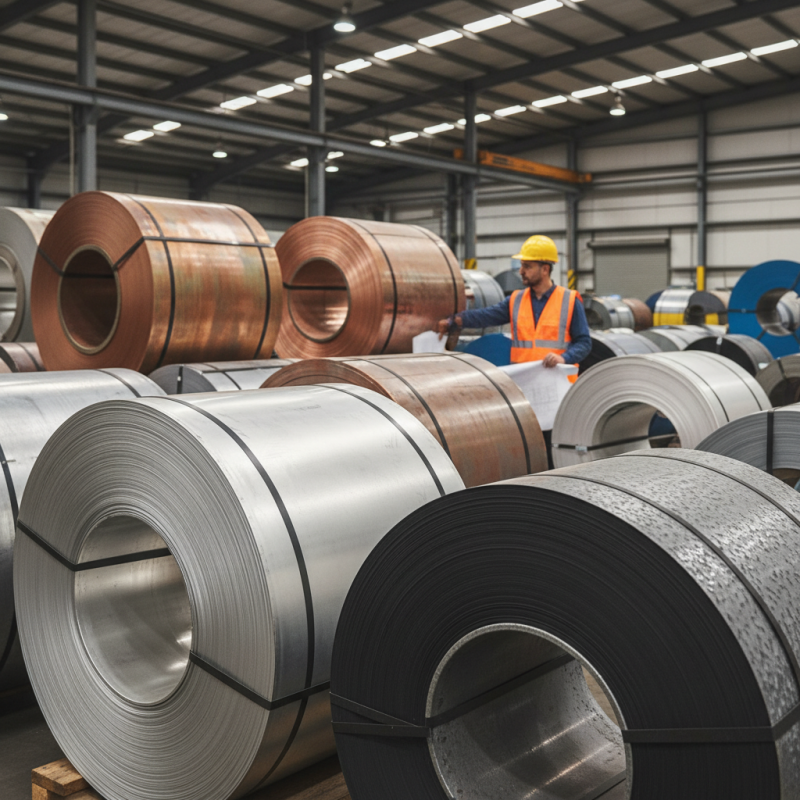
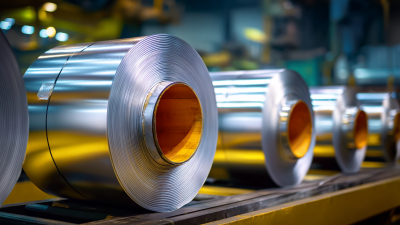
When selecting metal coils, understanding the types available is crucial. There are several types, such as aluminum, steel, and copper coils. Each type has unique properties and applications. According to industry reports, aluminum coils are lightweight and corrosion-resistant. They are ideal for the automotive and aerospace industries. They often provide excellent thermal conductivity, which is vital for heat exchangers.
Steel coils are another common choice. They offer high strength and durability. Often used in construction, they can bear heavy loads. Various finishes, such as galvanized or primed, enhance their resistance to rust. In 2022, reports indicated that the U.S. steel coil market reached over $20 billion. This growth highlights the ongoing demand across various sectors.
Copper coils are renowned for their electrical conductivity. They are essential in electrical wiring and HVAC systems. However, they are more expensive than aluminum and steel options. This cost consideration leads to project owners sometimes overlooking their value. A detailed assessment of project needs is necessary before making such choices. Take time to evaluate specific requirements for safety and efficiency.
How to Choose the Right Metal Coils for Your Project? - Types of Metal Coils and Their Applications
| Type of Metal Coil |
Common Applications |
Material Properties |
| Stainless Steel Coils |
Food processing, Chemical processing, Construction |
Corrosion-resistant, High strength, Good formability |
| Aluminum Coils |
Automobiles, Aerospace, Packaging |
Lightweight, Excellent corrosion resistance, High conductivity |
| Copper Coils |
Electrical wiring, Plumbing, HVAC systems |
Excellent electrical conductivity, Good malleability, Corrosion-resistant |
| Galvanized Steel Coils |
Roofing, Automotive parts, Home appliances |
Rust-resistant, Durable, Cost-effective |
| Brass Coils |
Mussel construction, Musical instruments, Fittings |
Corrosion-resistant, Easy to machine, Attractive appearance |
Key Factors to Consider When Selecting Metal Coils
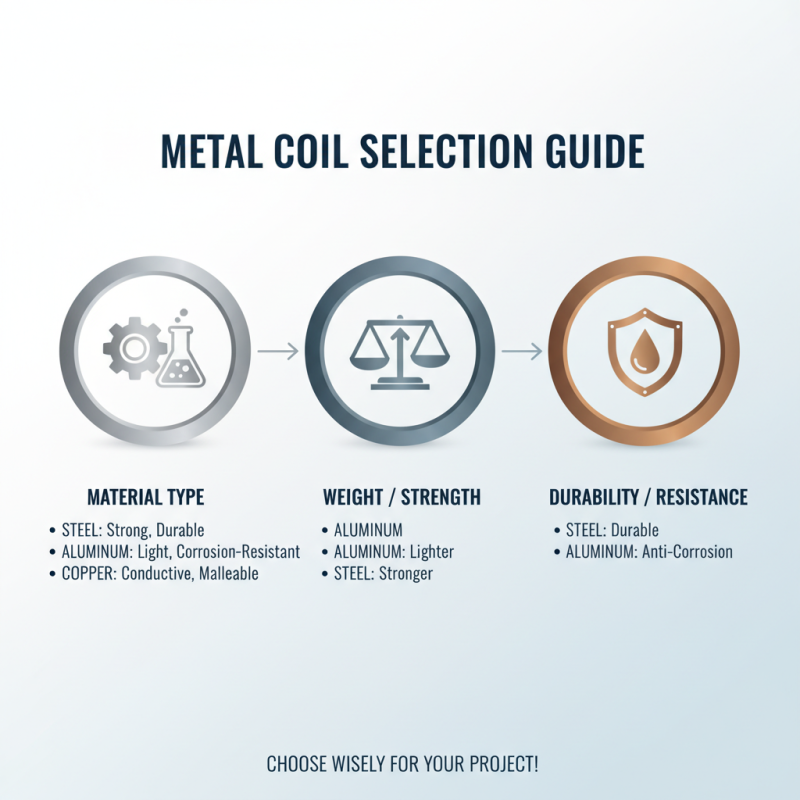
When selecting metal coils for your project, several key factors can impact the outcome. Material type is crucial. Steel, aluminum, and copper are popular options, but each has unique properties. For instance, aluminum coils are lightweight and resistant to corrosion. Steel coils, while heavier, offer greater strength and durability.
The thickness of the coils significantly affects their application. Different projects may require various gauge options, affecting weight and flexibility. According to the American Metals Market, a 0.010-inch thick aluminum coil serves different purposes than a 0.125-inch thick steel coil. It's essential to match the coil's thickness with the project's specific needs.
Tips to remember: always consider the project's environment. Factors like temperature, humidity, and exposure to chemicals can influence material performance. Additionally, analyze the production method. Are welding or forming required?
Reflect on the costs involved. Quality materials can be expensive. Cheaper options may save money but could lead to failures. Balancing quality and budget is vital. Opt for a reliable supplier who values transparency. Quality assurance can make a difference in your project's success.
Understanding Material Properties and Grades of Metal Coils
Choosing the right metal coils involves understanding material properties and grades. Material properties like tensile strength, corrosion resistance, and thermal conductivity are crucial. Different projects may require different combinations of these properties. For instance, high tensile strength is essential for heavy-duty applications. Conversely, corrosion resistance is crucial for projects exposed to harsh environments.
Common grades include stainless steel, aluminum, and copper. Each grade has unique characteristics. Stainless steel offers strength and resistance to rust. Aluminum is lightweight and has excellent corrosion resistance. Copper excels in conductivity. Yet, not every project requires the highest grade. It's important to evaluate the specific needs of your project. Sometimes, mid-grade materials may offer a better balance of cost and performance.
However, selecting the appropriate grade can be challenging. Misjudging the material requirements can lead to failures. In some cases, projects may encounter unexpected environmental factors. This can affect the durability of the chosen metal coil. Understanding and testing material properties early can prevent costly mistakes. Careful consideration is needed to ensure long-lasting results.
Cost Considerations in Choosing Metal Coils for Projects
When selecting metal coils, cost plays a significant role. Project budgets often dictate material choices. It's essential to balance quality and affordability. Thinner coils may seem cheaper but can compromise durability. Think about the long-term costs. Will you need to replace them sooner?
Another aspect is bulk purchasing. Buying larger quantities often reduces per-unit costs. However, it's crucial to assess storage capabilities. Excess inventory can lead to waste. Evaluate your project's specific needs carefully. Will the coils fit into your plans without causing delays or additional costs?
Quality assurance is another cost-related concern. Investing in high-quality metal may be pricier upfront. But, it often results in fewer repairs and maintenance. This is where reflection comes in. Are you prioritizing short-term savings over long-term benefits? The right choice depends on your project's unique demands and budget.
Cost Considerations in Choosing Metal Coils for Projects