Coated Coil Tips for Choosing the Best Options?
When selecting coated coil options, various factors must be considered. Coated coil is essential for many applications, offering durability and aesthetic appeal. It’s vital to choose an option that matches your specific needs.
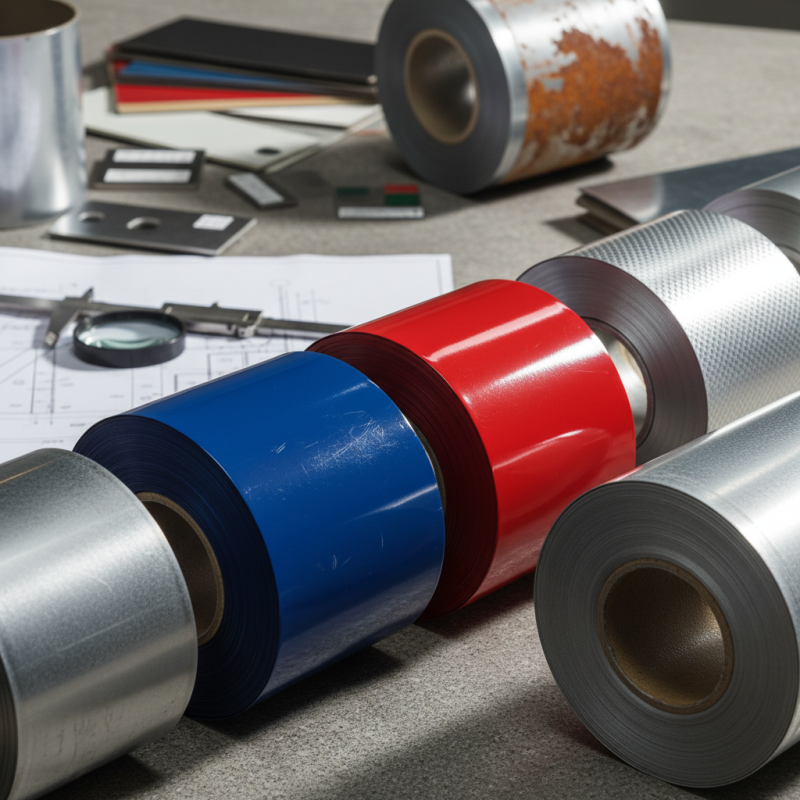
The first aspect to consider is the coating type. Different coatings provide varying levels of protection and finish. For instance, polyester and PVC coatings offer great resistance to weathering and scratches. However, a perfect choice depends on the intended use. You may find yourself trying to balance price and quality, which can be challenging.
Another key factor is the substrate material. Aluminum and steel are common choices. Each has its pros and cons. Steel is often more affordable but can rust if not properly coated. Aluminum, while more expensive, offers excellent corrosion resistance. The decision is not always clear-cut, and many may need to revisit their choices based on performance later.
Understanding Coated Coils and Their Applications
Coated coils are essential in various industries. Their durability and resistance to corrosion make them popular in construction, automotive, and appliance manufacturing. The global coated coil market was valued at approximately $20 billion in 2020 and is expected to grow significantly in the coming years. Understanding the different coatings available can lead to better product choices.
Applications vary widely. For example, galvanized coated coils are often used for roofing. They offer excellent weather resistance. Meanwhile, polyester-coated coils provide a vibrant finish ideal for interior designs. The choice of coating impacts both aesthetics and functionality. In practice, some manufacturers may overlook the importance of proper coating selection. This can result in premature wear or unsatisfactory finishes.
Reports indicate that 30% of coated coil failures are due to inadequate surface preparation. Therefore, accurate evaluation of the application needs is critical. Users must consider factors like environment and expected lifespan. Some projects may require more advanced coatings. This requires thoughtful planning and sometimes additional costs. An informed choice can enhance performance and appearance, making it worth the effort.
Coated Coil Applications and Popularity
Key Factors to Consider When Choosing Coated Coils
When selecting coated coils, several key factors emerge. The substrate material plays a vital role, affecting durability and corrosion resistance. According to industry reports, steel and aluminum are the most common substrates. Each has unique properties. For instance, aluminum often offers lightweight advantages, while coated steel provides superior strength.
Additionally, the type of coating matters significantly. High-performance coatings can enhance weather resistance, UV stability, and scratch resistance. Data from the Global Coated Steel Market indicates a demand for coatings that withstand extreme conditions. Depending on expected usage, specific coatings may be more beneficial. Understanding these details helps narrow options effectively.
Cost is another crucial factor. While high-quality coated coils may come with a premium, they often provide better long-term value. Poor choices can lead to frequent replacements and increased maintenance costs. The market analysis suggests that investing in quality can yield significant savings over time. However, be cautious—misunderstanding specifications can lead to severe production issues. Always evaluate needs carefully and consult with experts when possible.
Coated Coil Tips for Choosing the Best Options? - Key Factors to Consider When Choosing Coated Coils
| Key Factor |
Description |
Considerations |
Ideal Coating Types |
| Material Compatibility |
Ensure the coil coating is compatible with the base material to enhance performance. |
Check chemical resistance and bond strength. |
Polyester, PVDF |
| Thickness |
The thickness of the coating can affect durability and performance. |
Consider the operational environment’s wear and tear. |
0.03mm - 0.05mm recommended |
| Finish Type |
Different finish types can impact aesthetics and functionality. |
Choose between matte, gloss, or textured finishes. |
Glossy for aesthetic appeal, matte for reducing glare |
| Durability |
A durable coating can withstand harsher conditions and extend life span. |
Evaluate performance under UV exposure, corrosion, and impact. |
Ceramic, E-coat |
| Application Method |
Different methods can affect the adhesion and finish of the coating. |
Consider electrostatic spraying vs. conventional methods. |
Electrostatic for even thickness and quality |
Types of Coatings Used on Coiled Materials
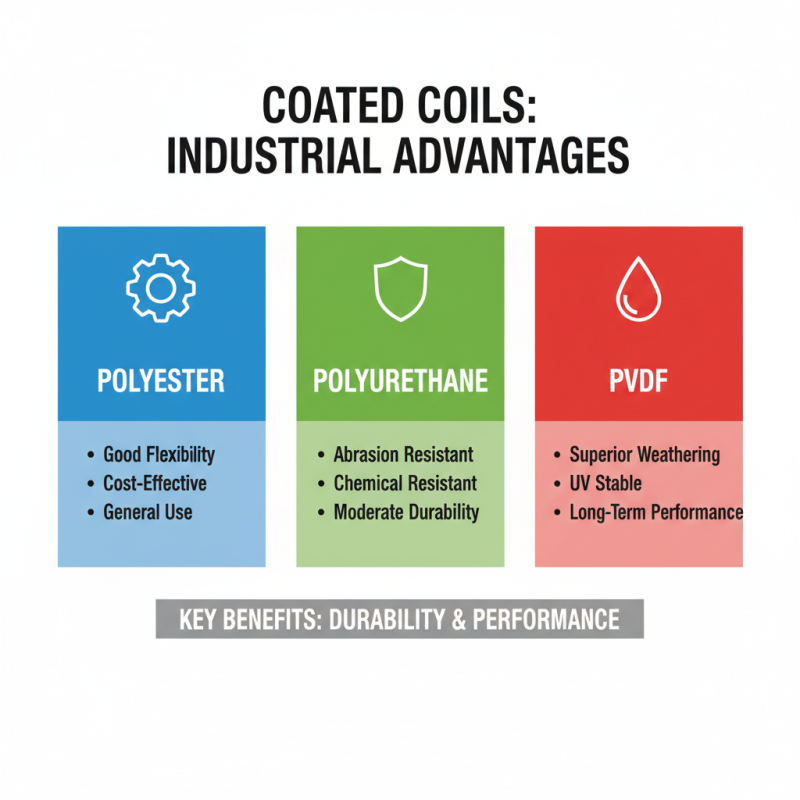
Coated coils are essential in various industrial applications. The choice of coating can significantly affect durability and performance. Common coatings include polyester, polyurethane, and PVDF (polyvinylidene fluoride). Each option offers unique advantages and drawbacks.
Polyester coatings are popular for their cost-effectiveness and decent performance. However, they may not withstand harsh environments as well as others. Polyurethane provides better abrasion resistance but often at a higher price. Meanwhile, PVDF coatings offer excellent longevity and UV protection but come with a steep upfront investment. Industry reports indicate that around 30% of coil users prefer PVDF due to its reliability.
Tips: Always assess the environment the coil will face. Consider exposure to chemicals or extreme weather. A well-chosen coating can enhance lifespan. Remember, poor choices may lead to frequent replacements. Research trends and technologies, as they evolve rapidly. Getting this right is crucial. The wrong coating can be costly over time.
Comparing Performance and Durability of Coated Coils
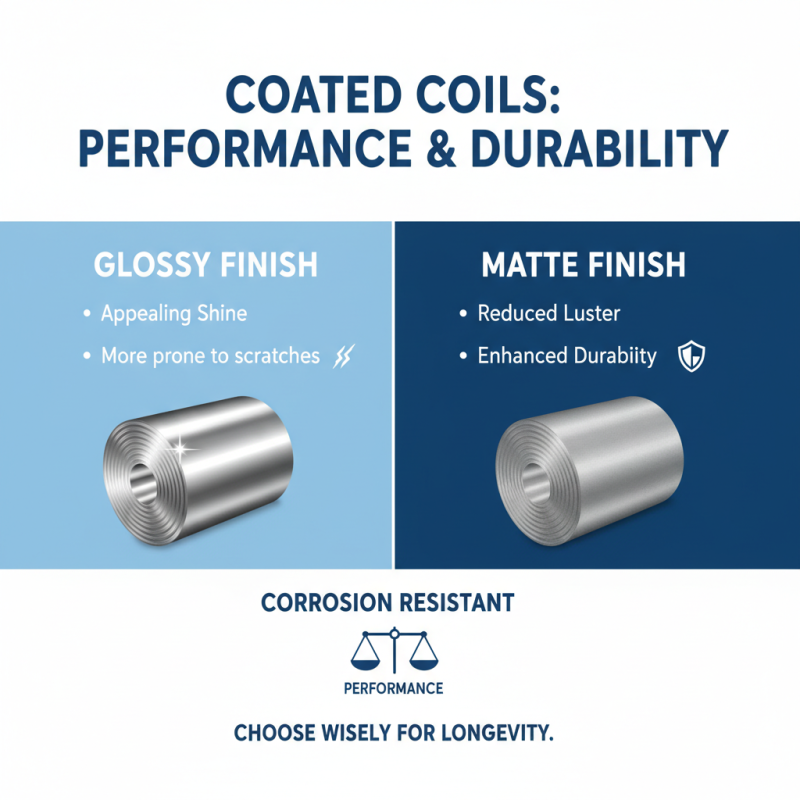
When selecting coated coils, performance and durability are key factors. Coated coils can resist corrosion effectively. They come in various finishes that can impact their longevity. A glossy finish might look appealing but may scratch more easily. A matte finish, while less shiny, can offer better durability against wear and tear.
The material used for the coating also plays a role. Some coatings are thicker and provide better protection. Thinner coatings may save on costs but won't last as long. It's essential to consider the environment where these coils will be used. Harsh climates require specialized coatings to prevent rust and degradation. There are times when the cheaper option doesn't hold up under pressure.
Always check for user reviews and performance metrics. Real-world performance can differ significantly from expectations. Mistakes in initial choices can result in costly replacements. It's a balance between cost, appearance, and reliability. Don't rush the decision-making process. Evaluate your specific needs and challenges. A thoughtful approach ensures satisfaction in the long run.
Cost Considerations and Budgeting for Coated Coil Options
When considering coated coil options, budgeting is crucial. Coated coils come in various finishes and materials, affecting their costs. It’s essential to weigh the benefits against your budget constraints. The initial price may be tempting, but long-term value matters more. Ask yourself about the lifespan of the coating and maintenance costs.
Evaluate quotes from different suppliers. Sometimes, the cheapest option may lead to costly repairs. Calculate the total cost of ownership, not just the purchase price. Neglecting this can lead to overspending later. Investigate factors like installation costs and potential energy savings. Do your research to ensure you choose wisely.
In the end, cost isn’t the only factor. Quality plays a significant role in overall satisfaction. A well-made coated coil can last decades, while cheaper options may fail early. Reflect on the materials’ durability and resistance to elements. Balancing cost and quality is a challenge but essential for a wise investment.