Why Metal Bar Is Essential for Your Next Project?
When embarking on a new project, the choice of materials can profoundly impact its success. One essential component often overlooked is the metal bar. Metal bars provide unmatched strength and versatility, making them a favorite among builders and craftsmen alike. Whether used in construction, manufacturing, or art, metal bars deliver reliability that few other materials can match.
Choosing the right metal bar can feel daunting. Various types are available, each with unique properties and applications. Some may excel in durability, while others shine in flexibility. This complexity can lead to decision fatigue. However, understanding the specific benefits and challenges of each type can guide your choice. Embracing this knowledge opens new possibilities for your projects.
Incorporating metal bars into your work not only enhances structural integrity but also allows for creative solutions. They are adaptable, yet not without limitations. Consider their weight and potential corrosion in specific environments. A thoughtful approach to selecting metal bars can make the difference between a half-hearted outcome and a stunning success.
Importance of Metal Bars in Construction Projects
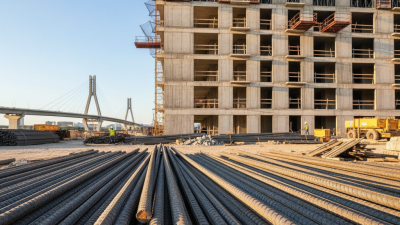
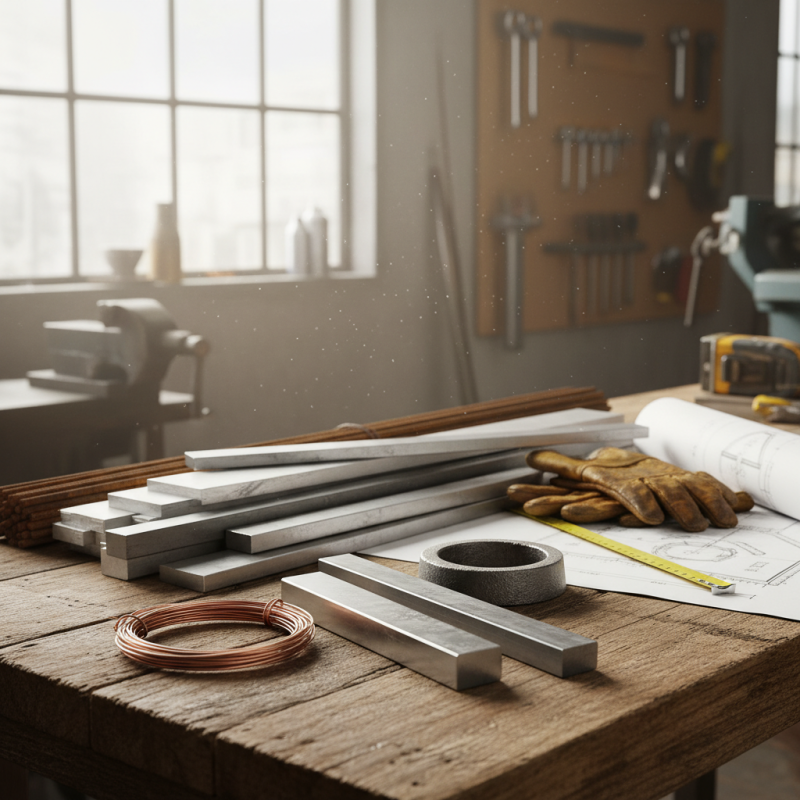
Metal bars play a crucial role in construction projects. Their strength and durability are unmatched. They provide structural integrity to buildings and bridges. Many types of metal bars exist, including steel and aluminum. Each type has unique properties that cater to specific needs.
When planning a project, consider the weight-bearing requirements. Metal bars can support heavy loads without bending or breaking. This reliability is essential in ensuring safety. Many experienced builders prefer metal bars for their long lifespan. They resist corrosion, reducing the need for frequent replacements.
Choosing the right metal bar involves more than just strength. The size, thickness, and finish matter too. Often, a project can suffer due to improper selection. Understanding the project specifications is vital. An expert can guide this decision-making process. In the end, metal bars are indispensable. Their use can make or break a project's success.
Varieties of Metal Bars and Their Applications
Metal bars come in various types, each serving unique purposes.
Steel bars are known for their strength, making them ideal for construction.
They provide structural integrity in buildings and bridges.
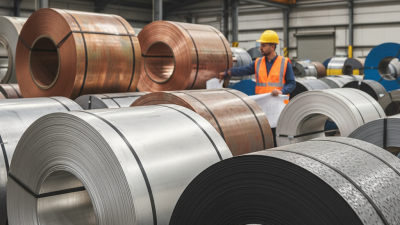
Aluminum bars are lightweight and resistant to corrosion. They excel in applications like aerospace and automotive manufacturing.
Brass bars offer excellent machinability and are often used in plumbing and electrical fittings.
Their resistance to rust makes them suitable for outdoor applications.
Copper bars, known for electrical conductivity, are essential in wiring and electronic components.
Each variety of metal bar has its own advantages and limitations. This diversity allows engineers to choose the right material for their specific projects.
Selecting the right metal bar can be challenging.
Understanding the properties of each type is crucial.
It’s common to incorrectly assume that all metal bars are interchangeable.
This misconception can lead to project failures.
A detailed assessment of project needs is necessary to avoid costly mistakes.
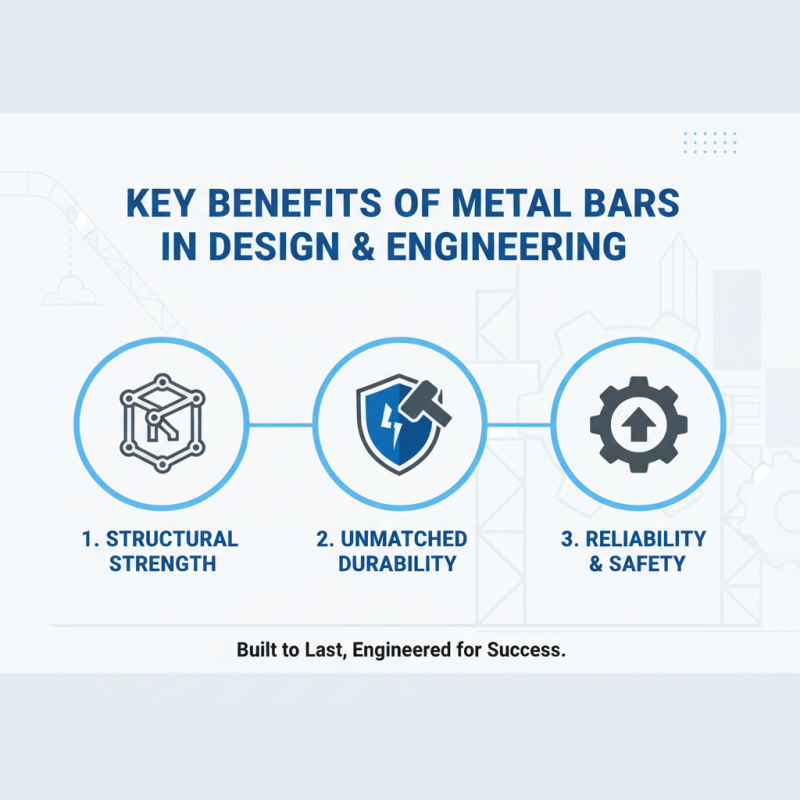
Key Benefits of Using Metal Bars in Design and Engineering
Metal bars are a cornerstone in design and engineering. Their durability makes them ideal for various applications. For structural projects, metal bars provide strength that is hard to match. They can withstand significant stress and load. This reliability is vital for safety and performance.
One key benefit is their versatility. Metal bars come in different shapes and sizes. This enables engineers to use them in frameworks, supports, or decorative elements. They can be easily cut or shaped to fit specific needs. This adaptability helps in achieving efficient designs without compromising on quality.
Another important aspect is resistance to environmental factors. Unlike wood, metal bars do not warp or degrade over time. They remain stable under harsh conditions. However, not all metal is created equal. Some can corrode if not properly treated. It’s crucial to consider the right type of metal for each project. Failing to do so may lead to unforeseen issues. This consideration showcases the necessity of expert knowledge in material selection for successful outcomes.
Considerations When Choosing Metal Bars for Your Project
When choosing metal bars for your project, material specifications are crucial. Aluminum, for instance, is lightweight and resistant to corrosion. Steel bars offer high tensile strength. According to the American Institute of Steel Construction, steel structures can last up to 50 years. This makes selecting the right metal bar essential for durability and safety.
Consider dimensions and tolerances. Metal bars come in various thicknesses and lengths. A study by the National Association of Manufacturers notes that improper sizing can lead to failures during installation. Always measure and confirm your specifications. This will minimize errors and enhance project efficiency.
Tip: Opt for a supplier that provides detailed material data sheets. This can ensure you're getting the correct specifications. Sometimes, suppliers may not have all information readily available. It's wise to ask for additional details if needed.
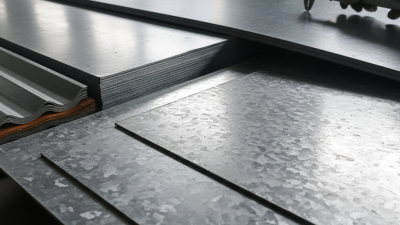
Another aspect to reflect on is the finish of the metal. Different finishes can affect both aesthetics and performance. For example, a galvanized finish adds protection but may alter welding properties. Understanding these nuances can prevent potential complications. Always weigh the pros and cons before making a decision.
Why Metal Bar Is Essential for Your Next Project? - Considerations When Choosing Metal Bars for Your Project
| Metal Type |
Common Applications |
Strength (MPa) |
Weight (kg/m) |
Corrosion Resistance |
| Steel |
Construction, Automotive, Machinery |
250-600 |
7.85 |
Moderate |
| Aluminum |
Aerospace, Transportation, Furniture |
70-700 |
2.70 |
High |
| Brass |
Plumbing, Electrical, Musical Instruments |
200-350 |
8.40 |
Good |
| Stainless Steel |
Kitchenware, Medical Devices, Construction |
480-2,000 |
7.90 |
Very High |
Techniques for Working with Metal Bars Effectively
When working with metal bars, precise techniques can significantly enhance your project’s success. Knowledge of cutting, bending, and welding is essential. For instance, a report by the American Welding Society states that improper welding can reduce a structure's integrity by over 30%. This highlights the importance of using trusted methods.
Cutting metal bars requires appropriate tools and safety measures. A recent survey revealed that 45% of metalworkers reported injuries related to improper cutting techniques. Using a band saw or a plasma cutter can mitigate risks. Always wear safety gear when cutting. Bending should also be done with care. Using a hydraulic press ensures consistent results, which are crucial for fitting components accurately.
Welding is another crucial aspect. A study found that proper joint preparation improves weld strength by 25%. Poor execution can lead to costly rework and project delays. Take the time to practice and refine your welding technique. Each project offers unique challenges, and reflecting on past mistakes can lead to better solutions in future endeavors.