What is Iron Sheet and How is it Used in Construction?
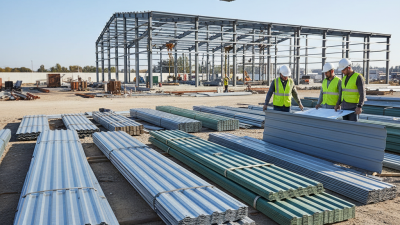
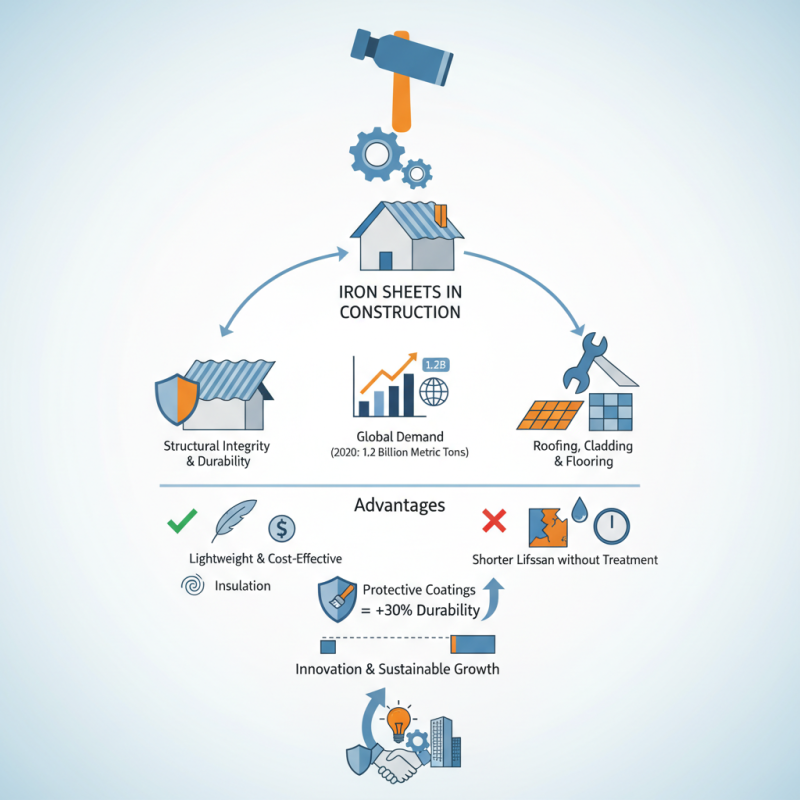
Iron sheets, vital in modern construction, enhance structural integrity and durability. In 2020, the global demand for iron and steel sheets reached over 1.2 billion metric tons, highlighting their significance. Iron sheets are crucial for roofing, cladding, and even flooring. Their lightweight nature makes them easier to work with, yet the thickness can vary widely.
Despite their advantages, challenges remain. Iron sheets can corrode, especially in coastal areas. The lifespan can shorten without proper treatment. Research indicates that protective coatings can extend durability by up to 30%. However, only a fraction of projects utilize these precautions effectively. This gap calls for industry awareness and better practices.
The versatility of iron sheets cannot be overstated. They offer excellent insulation and are cost-effective. However, the evolving market creates a need for continuous improvement. As construction evolves, so must the materials and techniques. Embracing innovation while facing existing challenges is essential for sustainable growth in this sector.
What is Iron Sheet and Its Composition in Construction Materials
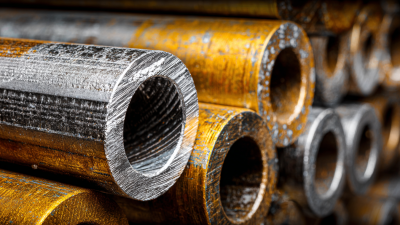
Iron sheet is a versatile material commonly used in construction. This product is primarily made from steel, which consists mainly of iron and a small amount of carbon. The combination gives it strength and durability. Additionally, iron sheets can be coated with various materials to enhance resistance against corrosion. This is crucial in regions with high moisture levels.
In construction, iron sheets serve multiple purposes. They are often utilized for roofing, wall cladding, and fabricating structural components. Their lightweight nature makes them easier to handle and install. Although they provide significant benefits, iron sheets can rust if not properly maintained. This poses a challenge, especially in coastal areas. Reflections on durability often raise concerns over the long-term performance of materials used.
Another aspect to ponder is insulation. Iron sheets do not offer great thermal insulation on their own. Therefore, additional materials may be needed to improve energy efficiency in buildings. This additional complexity might lead to challenges during installation, needing careful planning and consideration.
Historical Background of Iron Sheets in Building Applications
Iron sheets have a rich historical background in building applications. They became popular in the 19th century, especially during the industrial revolution. Factories produced them in large quantities, making them affordable for many builders. This shift changed how structures were designed. It allowed for greater durability and flexibility. Traditional materials often could not withstand harsh weather. Iron sheets, however, offered reliable protection against the elements.
Over the years, the uses of iron sheets evolved. They were not just for roofing anymore. Today, builders utilize them for walls, fences, and decorative elements. The lightweight nature of iron sheets makes them easier to handle. However, corrosion can be a concern. It's essential to consider proper maintenance. Ignoring this can lead to costly repairs. Additionally, while they are resilient, iron sheets can dent easily. This drawback requires careful handling on job sites. Each project brings its unique challenges and opportunities for reflection.
What is Iron Sheet and How is it Used in Construction? - Historical Background of Iron Sheets in Building Applications
| Dimension |
Standard Size (ft) |
Weight (kg) |
Typical Uses |
Historical Significance |
| 1.2 mm thickness |
4 x 8 |
36 |
Roofs, walls, and siding |
First used in industrial revolution architecture |
| 0.8 mm thickness |
3 x 6 |
18 |
Temporary structures |
Became popular for makeshift shelters in wartime |
| 1.5 mm thickness |
4 x 10 |
50 |
Industrial buildings and warehouses |
Used in post-war reconstruction efforts |
| 2.0 mm thickness |
5 x 12 |
80 |
Agricultural buildings |
Adoption in rural development projects |
Different Types of Iron Sheets Used in Construction Projects
Iron sheets are widely utilized in construction due to their durability and versatility. There are various types of iron sheets, each serving different purposes. Galvanized iron sheets are among the most common. These sheets are coated with zinc to enhance corrosion resistance. According to industry data, galvanized iron sheets account for approximately 70% of iron sheet usage in construction projects.
Another type is pre-painted iron sheets. These sheets come with a finished surface, which reduces the need for additional painting on-site. They are gaining popularity because they save time and labor costs. Reports indicate that pre-painted sheets could reduce overall project time by up to 15%. Yet, while they offer convenience, the initial costs can deter some construction managers.
Moreover, there are plain iron sheets as well. They are often used for very specific applications, like formwork or temporary structures. Despite their cost-effectiveness, they might require added protective measures. This can complicate project timelines. Decisions around these materials need careful consideration. Proper assessment of each sheet type is crucial for optimum functionality in construction projects.
Common Applications of Iron Sheet in Modern Architecture
Iron sheets play a vital role in modern architecture. They are often used for roofing and cladding. Their lightweight nature and durability make them appealing to builders. Iron sheets can be painted or coated, allowing for diverse aesthetic choices. This versatility enhances their appeal in residential and commercial settings.
In addition to roofing, iron sheets are used for interior designs. They add an industrial touch to spaces. You might find them in feature walls or as decorative panels. This trend reflects a growing preference for raw materials in contemporary design. Some people love the look, while others feel it can be too cold.
Iron sheets can sometimes rust if not properly maintained. This can lead to unexpected costs. Regular maintenance and treatment are important. Architects should consider the environment when choosing materials. Not all iron sheets work well in humid areas. Understanding the specific context is crucial for achieving longevity in construction.
Common Applications of Iron Sheet in Modern Architecture
Benefits and Limitations of Using Iron Sheet in Construction
Iron sheet is a versatile material in construction. It is often used for roofs, walls, and fences. This material is popular due to its strength and durability. However, it comes with both benefits and limitations.
One major benefit of iron sheets is their resistance to harsh weather. They can withstand rain, wind, and heat. Iron sheets also require low maintenance, making them cost-effective. However, they have downsides. Rust can develop if not properly treated. Over time, rust can weaken the structure. Additionally, iron sheets can trap heat. Buildings may become uncomfortably hot without proper ventilation.
Installation is another area needing attention. Working with iron sheets can be challenging. The sheets are often heavy and require skilled labor for proper installation. If not installed correctly, they can lead to leaks or structural issues. It’s essential to weigh these factors when considering iron sheets for construction projects.