What is a Metal Sheet and How is it Used in Various Industries?
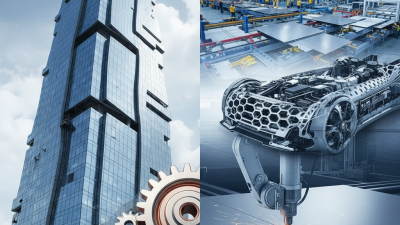
In the world of manufacturing, the term "Metal Sheet" holds significant importance. Metal sheets are versatile materials, widely used in various industries. Renowned industry expert John Smith once stated, “Metal sheets are the backbone of modern production.” His insight highlights their critical role in construction, automotive, and aerospace sectors.
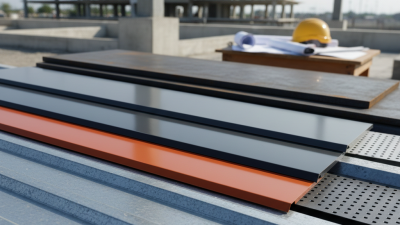
Metal sheets come in various thicknesses and compositions. They can be easily cut, molded, or shaped into different forms. This adaptability makes them an essential choice for engineers and designers. For instance, metal sheets create structural components in buildings and vehicles. They are also used in appliances, signage, and packaging.
Despite their many advantages, working with metal sheets can pose challenges. The thinness of the material can make it prone to warping during fabrication. Quality control becomes crucial to address such issues. Understanding these limitations will improve future designs and processes. Overall, the metal sheet industry continues to evolve, paving the way for innovative applications.
Definition and Composition of Metal Sheets
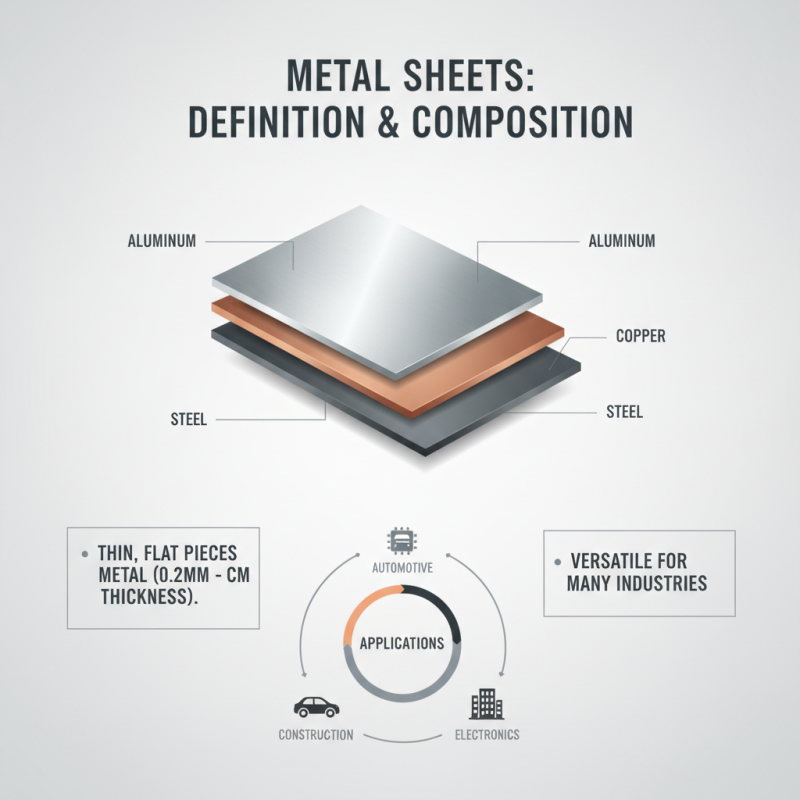
Metal sheets are thin, flat pieces of metal. They can be made from various materials, such as steel, aluminum, and copper. The thickness of a metal sheet usually ranges from 0.2mm to several centimeters. This thin profile makes them versatile for many applications across different industries.
The composition of metal sheets often determines their use. For instance, steel sheets are commonly used in construction and automotive parts. Aluminum sheets are favored for their lightweight and corrosion resistance, making them ideal for aerospace applications. Copper sheets conduct electricity well, thus finding extensive use in electrical applications. Understanding the specific properties of each material is essential for engineers when selecting metal sheets for a project.
Despite their practicality, challenges exist with metal sheets. Cutting and bending can produce imperfections, such as warping. Ensuring precision during production can be difficult. Quality control measures are critical in mitigating these issues. Poor quality sheets can lead to failures in products, affecting safety and performance. Awareness of these potential pitfalls is vital for industries relying on metal sheets.
Common Types of Metal Sheets and Their Characteristics
Metal sheets are fundamental in many industries. They are available in various types, each with unique characteristics. The most common types include steel, aluminum, copper, and titanium sheets.
Steel sheets are widely used due to their strength and versatility. According to the World Steel Association, steel production reached about 1.9 billion metric tons in 2021. Aluminum sheets are known for their lightweight and corrosion resistance, making them ideal for aerospace and automotive applications. The global aluminum market was valued at approximately $159 billion in 2021. Copper sheets, although less common, are valued for their superior electrical conductivity. Titanium sheets are used in high-performance applications, such as medical devices and aerospace, owing to their strength-to-weight ratio.
Tips: Choosing the right metal sheet depends on the application. Consider factors like weight, strength, and resistance to corrosion. Evaluate the specific needs of your project. Remember, not every metal fits every requirement. Testing for compatibility is essential.
It's important to note that while metal sheets are versatile, they have limitations. For example, certain alloys may not perform well in extreme environments. Each type of metal comes with trade-offs. Careful analysis helps avoid costly mistakes in production.
Metal Sheets Usage in Various Industries
Fabrication Processes Involved in Metal Sheet Production
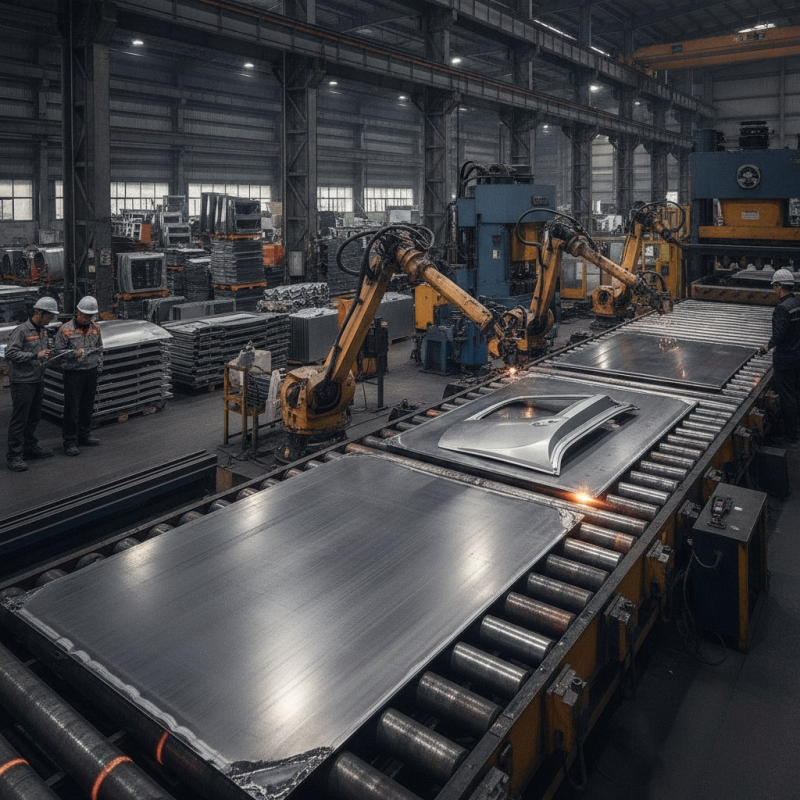
Metal sheet production involves several key fabrication processes that ensure the final product meets industry specifications. The journey begins with metal sheet rolling. Large metal slabs are heated and passed through rollers, reducing them to uniform thickness. This method is efficient and helps produce sheets quickly. However, controlling the final thickness requires precision.
Another important process is cutting. Various techniques, such as laser cutting, guillotine cutting, and water jet cutting, are employed. Each method has its advantages and limitations. Laser cutting is accurate but can be costly. Guillotine cutting is faster but less flexible in shapes. This diversity in methods reflects the complexity of producing metal sheets tailored for diverse applications.
Forming processes follow cutting. Techniques like bending and stamping shape the metal sheets. These methods can enhance strength and adaptability. Yet, the risk of defects exists, especially in intricate designs. Regular quality checks are crucial throughout the production to ensure reliability. The interplay of these processes is vital in crafting metal sheets that are essential in many industries.
Applications of Metal Sheets in Construction and Architecture
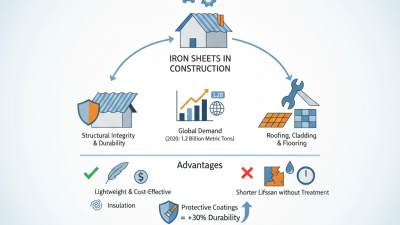
Metal sheets play a vital role in construction and architecture. Their versatility allows for a wide range of applications. According to a report by the Global Metal Fabrication Market, the demand for metal sheets is projected to grow by 7.2% annually through 2026. This growth is driven by their structural integrity and aesthetic appeal.
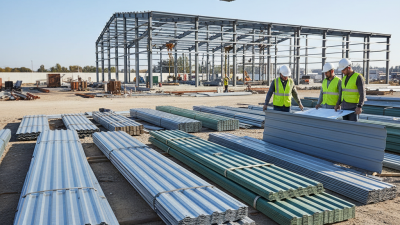
In construction, metal sheets are often used as cladding for buildings. This not only enhances the exterior but also provides insulation. They can also be utilized for roofing materials, offering durability against harsh weather. A study from the American Institute of Steel Construction indicates that using metal sheets in structural applications can lower overall building costs by 15-20%. However, sourcing high-quality sheets at a competitive price remains a challenge for many builders.
Moreover, in architecture, metal sheets provide creative design possibilities. They can be manipulated into various shapes to create stunning features in modern buildings. Yet, architects sometimes struggle with the balance between functionality and artistic intent. The issue of corrosion can also arise if metals are not properly coated. Ensuring maintenance is crucial for the longevity of metal sheet installations in any project.
Role of Metal Sheets in Automotive and Aerospace Industries
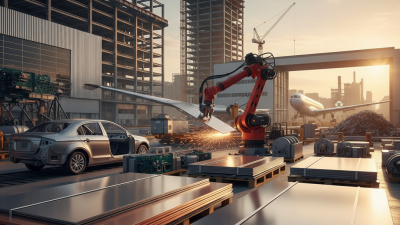
Metal sheets play a crucial role in the automotive and aerospace industries. They provide strength and durability while maintaining a lightweight structure. In automotive manufacturing, metal sheets are often used for body panels, chassis components, and structural reinforcements. These sheets must withstand extreme conditions, including high temperatures and mechanical stress. Engineers choose specific alloys to optimize performance and safety.
In aerospace, the use of metal sheets is even more critical. They form the framework of aircraft, including wings and fuselages. The need for corrosion resistance and low weight drives innovation in material selection. Aluminum and titanium sheets are commonly used due to their high strength-to-weight ratios. This makes them ideal for both commercial and military aircraft, where performance is paramount.
However, challenges persist. Fabrication processes can lead to defects that affect structural integrity. Engineers must continuously evaluate manufacturing methods. Quality control remains essential to ensure safety in both sectors. Continuous improvement and innovation are vital for success in these demanding fields.