Why is Structural Steel Essential for Modern Construction?
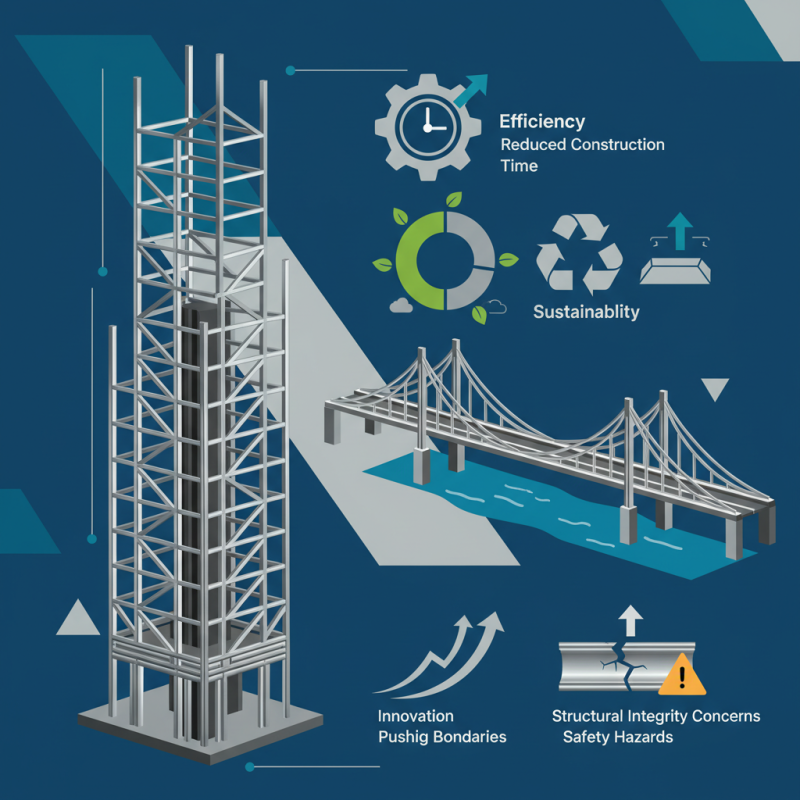
Structural Steel plays a crucial role in modern construction. It provides strength and flexibility, making it ideal for various structures. According to a report by the American Institute of Steel Construction, structural steel framing can reduce construction time by up to 15%. This efficiency is vital in today’s fast-paced building environment.
Expert Andrew C. Johnson emphasizes, "Structural Steel is the backbone of innovation in architecture.” His insight highlights how this material enables architects to push boundaries. Yet, challenges remain. The sustainability of steel production is a concern. Recyclability is a strong point, but carbon emissions during production require attention.
In urban areas, we see skyscrapers and bridges transforming skylines, thanks to Structural Steel. However, not all projects utilize it effectively. Some designs lack the necessary structural integrity. These oversights can lead to costly renovations or safety hazards. As the industry evolves, we must continually reflect on best practices in using this essential material.
The Role of Structural Steel in Modern Architecture
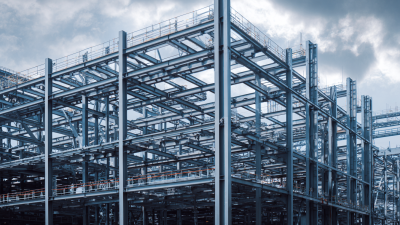
Structural steel plays a crucial role in modern architecture. It provides durability and strength to buildings. This material is versatile, allowing architects to create innovative designs. Tall skyscrapers, bridges, and expansive structures all benefit from its properties. The ability of structural steel to withstand heavy loads is one reason it is so popular. Architects often use it to achieve unique shapes that would be impossible with traditional materials.
When considering a design, think about how structural steel can enhance the vision. Combining glass and steel creates stunning façades. This approach allows for natural light, which reduces reliance on artificial lighting. A well-thought-out use of space can improve energy efficiency. However, using steel also has its challenges, such as the cost and time for fabrication.
Here are some tips:
- Assess the weight requirements of your design.
- Balance aesthetics with function.
- Be mindful of the environmental impact of your materials.
Creating with steel means experimenting with forms. It encourages boldness, yet it requires careful planning. Architects must consider structural integrity alongside artistic expression. It’s a delicate dance between imagination and reality, leading to reflective practices in design.
Core Advantages of Using Structural Steel in Construction
Structural steel plays a vital role in modern construction. Its unique properties contribute to the advantages it offers. Lightweight yet strong, structural steel can support heavy loads, making it ideal for skyscrapers and bridges. According to a recent report by the American Institute of Steel Construction, over 80% of new buildings utilize structural steel due to its flexibility and strength.
In addition to strength, structural steel is highly durable. It resists decay and can withstand various weather conditions. A study from the World Steel Association noted that steel structures have a lifespan exceeding 100 years when properly maintained. However, some issues arise. Steel can corrode in extreme environments without adequate protection. This necessitates regular maintenance to prevent deterioration, which can add to long-term costs.
Project timelines also benefit from using structural steel. Its ability to be prefabricated speeds up construction. A report from the Construction Industry Institute showed that projects utilizing steel frame systems were completed 10-15% faster than traditional methods. Yet, some builders find challenges in working with steel's adaptability. Finding skilled labor for steel construction remains an ongoing concern. This underlines the importance of training and development in the industry.
Structural Steel's Impact on Safety and Durability Standards
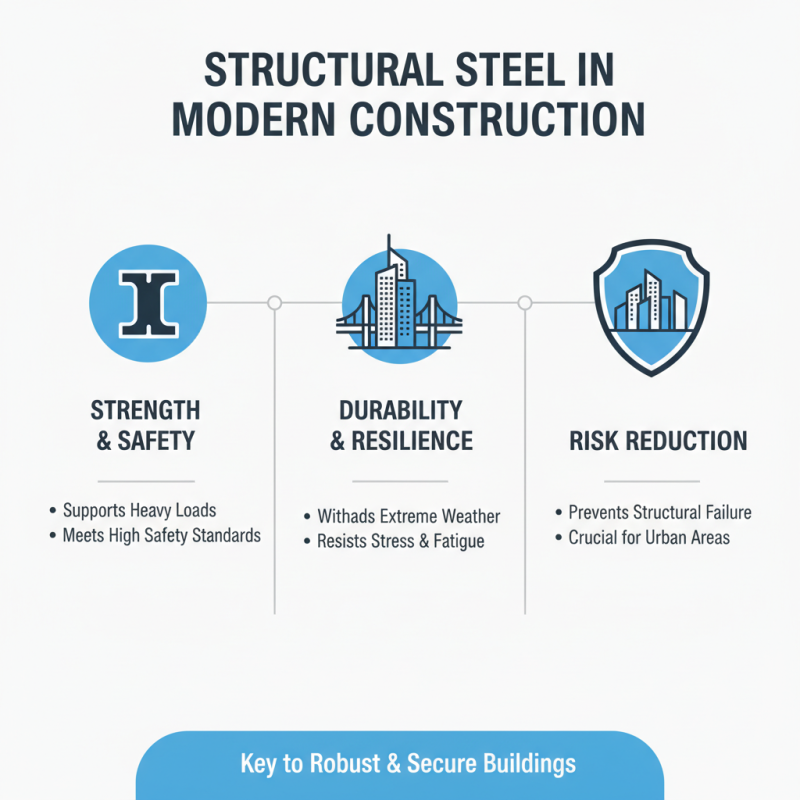
Structural steel plays a vital role in construction today. Its strength directly impacts safety standards. Buildings designed with this material withstand heavy loads and resist extreme weather. For instance, skyscrapers and bridges benefit greatly from steel's ability to endure stress. This durability reduces the risk of structural failure, which is crucial in urban areas.
However, not all structural steel is created equal. Some projects may face challenges with corrosion or fatigue over time. It raises questions about maintenance and long-term safety. Regular inspections are essential to address these issues. Engineers must consider the environment when choosing steel grades. Different conditions can affect the material's performance.
Moreover, the use of structural steel promotes versatility in design. It allows for larger open spaces without support columns. Yet, this can also lead to design flaws if not calculated properly. Balancing aesthetics and safety remains a complex task for architects and builders. Ultimately, while structural steel enhances safety and durability, careful consideration is necessary for optimal results.
Sustainability and Environmental Benefits of Structural Steel
Structural steel plays a vital role in modern construction. It is not just about strength. Its sustainability and environmental benefits make it a preferred choice. Steel is 100% recyclable, reducing waste in our landfills. It can be repurposed without loss of quality. This makes it ideal for green building practices.
Using structural steel can significantly decrease energy consumption during construction. The material allows for smaller foundations, which means less concrete usage. However, the production process of steel does involve emissions. This is a point for reflection. While steel is recyclable, we must consider the energy it takes to produce it. Balancing these factors is essential for true sustainability.
Tips: Look for recycled steel options in your projects. Always consider the entire lifecycle of materials. Make informed choices that benefit both the environment and your construction goals. Planning for long-term use can elevate the sustainability of your builds. Sustainable choices lead to better living conditions and a healthier planet.
Environmental Impact of Structural Steel Recycling
The chart above illustrates the significant difference between the amount of recycled steel produced compared to virgin steel. Recycling steel minimizes environmental impacts and promotes sustainability in modern construction.
Innovative Applications of Structural Steel in Contemporary Builds
Structural steel plays a crucial role in shaping the skyline of contemporary cities. Its strength and versatility make it a preferred choice for various innovative applications. According to the World Steel Association, the global use of structural steel in construction has grown by over 30% in the last decade. This rapid adoption highlights its significance in modern builds.
One striking example is the use of steel in high-rise buildings. The Burj Khalifa, standing at 828 meters, employs a tubular system. This method effectively maximizes structural integrity while minimizing the material required. Interestingly, structural steel reduces construction time significantly. A study by the American Institute of Steel Construction indicates that projects using steel can be completed up to 20% faster. However, this swift construction cycle can sometimes lead to overlooked quality checks, possibly compromising safety.
Sustainability is another area where structural steel shines. It's 100% recyclable, which aligns with the growing emphasis on eco-friendly practices in construction. Despite its benefits, the environmental footprint of steel production remains a concern. The production process generates substantial CO2 emissions. This paradox invites reflection. As the industry evolves, the challenge will be to balance immediate construction needs with long-term sustainability goals.