Ultimate Tips for Sourcing Metal Coil Efficiently?
When sourcing Metal Coil, efficiency is key. Understanding the market can save time and costs. Various factors affect your supply chain. These include material quality, supplier reliability, and pricing structures.
Finding trustworthy suppliers is crucial. Research their background and industry reputation. You need reliable partners who deliver consistent quality. But not all suppliers will meet your expectation. Sometimes, you might face delays or subpar materials. Reflecting on these challenges can improve your sourcing process.
A well-structured approach is essential. Create a checklist for sourcing Metal Coil. Consider the specific requirements of your projects. Quality, thickness, and finish are all critical. Engaging with suppliers meaningfully can lead to better deals. Never underestimate the value of communication in this process.
Understanding the Types of Metal Coils Available in the Market
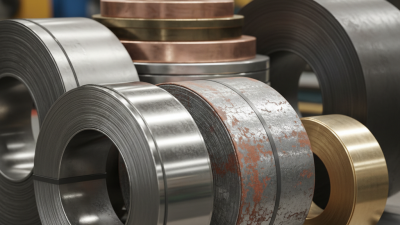
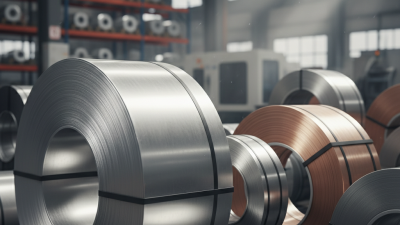
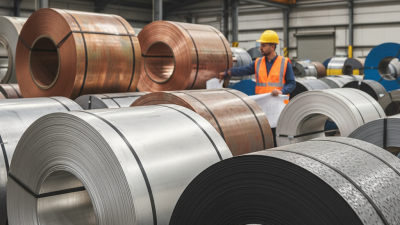
When diving into the world of metal coils, it's essential to understand the types available. Common types include steel, aluminum, and copper coils. Each type serves distinct applications in construction, manufacturing, and electrical work. Steel coils are often preferred for their strength and durability, making them suitable for heavy-duty usage. On the other hand, aluminum coils are lightweight and resistant to corrosion, ideal for projects requiring malleability and resistance to weather.
Choosing the right metal coil requires careful consideration of your project’s needs. You might find that copper coils lend themselves well to electrical applications due to their excellent conductivity. Yet, some may overlook the cost factor when sourcing these materials. It's easy to get caught up in specifications and forget to evaluate pricing. Understanding market trends can provide insights into fluctuations in availability and costs.
Additionally, sourcing from reputable suppliers can increase reliability. However, not every supplier guarantees quality. Researching their track record and customer reviews may uncover red flags that would impact your decision. Balancing cost with quality is often a complex endeavor, but taking the time to assess these factors can significantly affect project outcomes.
Identifying Reliable Suppliers for Metal Coil Sourcing
When sourcing metal coils, finding reliable suppliers is crucial. Start by researching potential suppliers through industry associations or online platforms. Utilize reviews and ratings to gauge their reputation. Trustworthy suppliers often provide certifications and quality assurances, which can greatly influence your decision.
Establishing connections with suppliers can reveal insights into their operations. Consider visiting their facilities if possible. This allows you to assess their production capabilities and quality control processes. It's also essential to ask for samples. Testing these samples can help you judge the material's reliability before making larger orders.
Communication with suppliers plays a vital role. Open dialogues can clarify your requirements and prevent misunderstandings. It's important to offer your specifications clearly for better results. However, always be ready for negotiations. Prices and terms can vary, requiring flexibility. In sourcing, the relationship built with a supplier can prove equally as valuable as the metal coils themselves.
Ultimate Tips for Sourcing Metal Coil Efficiently
| Supplier Type |
Location |
Material Type |
Minimum Order Quantity |
Lead Time (Days) |
Quality Certification |
| Local Manufacturer |
USA |
Steel |
1000 kg |
30 |
ISO 9001 |
| Overseas Supplier |
China |
Aluminum |
500 kg |
45 |
ISO 14001 |
| Distributor |
Germany |
Copper |
200 kg |
20 |
TS 16949 |
| Fabricator |
Japan |
Titanium |
300 kg |
60 |
API Spec Q1 |
| Wholesaler |
India |
Nickel |
150 kg |
40 |
OHSAS 18001 |
Evaluating Quality Standards in Metal Coil Production
When evaluating quality standards in metal coil production, it’s crucial to consider various factors. Material composition plays a vital role. Different alloys offer distinct properties, such as strength and corrosion resistance. Examine the specifications to ensure they meet your project requirements.
Surface finish is another key element. Flaws like scratches or uneven coatings can affect performance. A thorough visual inspection can reveal potential issues. With advanced technology, some manufacturers utilize non-destructive testing methods to assess metal integrity without causing damage.
Lastly, consistent production practices are essential for reliability. Variations in processes can lead to inconsistent quality. Establishing a strong communication channel with suppliers fosters transparency. It allows for real-time updates on production conditions. It might be tempting to overlook smaller suppliers, but they can offer unique advantages. Always maintain a critical eye on quality assurance protocols in every partnership.
Optimizing Logistics and Delivery for Metal Coil Procurement
To optimize logistics and delivery for metal coil procurement, understanding the supply chain is crucial. Efficient transport requires careful planning and coordination with suppliers. Selecting the right transportation methods can significantly reduce costs and delivery times. Consider using both road and rail for balancing speed and budget. Always assess local infrastructure to avoid delays caused by road conditions or congestion.
Communication is essential throughout the logistics process. Regularly update your suppliers about any changes in demand. This ensures they can adjust their production schedules accordingly. Establishing strong relationships with logistics providers can enhance reliability. They can offer insights into best practices for delivery routes and times.
There are challenges that often surface during procurement. Unexpected delays can disrupt supply chains. Weather conditions and material shortages can affect logistics. It's important to have contingency plans in place. Flexibility and adaptability are key traits for anyone managing metal coil procurement. Regularly review strategies and processes to find areas for improvement. Embracing a proactive approach can lead to more efficient sourcing and delivery in the long run.
Cost Analysis and Budgeting for Metal Coil Sourcing Decisions
Cost analysis plays a vital role in metal coil sourcing decisions. Industry reports indicate that raw material prices can fluctuate significantly. In 2022, the average price of stainless steel coils rose by approximately 15%, highlighting the need for accurate budgeting. Companies should analyze historical price trends and anticipate future changes. Such foresight aids in making informed purchasing decisions.
To optimize sourcing, consider diversifying suppliers. A 2021 survey revealed that companies relying on a single supplier faced higher risks and costs. Engaging multiple vendors can create competitive pricing and enhance negotiation leverage. Always evaluate the total cost of ownership beyond just the purchase price. Hidden costs, such as shipping and handling, can inflate overall expenses.
Accurate budgeting also requires regular reviews. Track spending against your budget to identify discrepancies. A proactive approach helps in adjusting procurement strategies timely. Look for opportunities to leverage volume purchases, which can lead to discounts. Evaluate if bulk buying fits into your financial strategy, balancing between immediate cash flow needs and long-term savings.