Top Coated Coil Suppliers in China How to Choose the Best?
In recent years, the market for coated coils in China has experienced significant growth. This growth has led to a diverse range of suppliers, each offering unique products. Buyers often face challenges in selecting the best suppliers for their needs. Coated coils are widely used across various industries, including construction and automotive sectors.
Choosing the right coated coil supplier involves careful consideration. Quality, durability, and customization options are critical factors. Many suppliers in China boast innovative technologies and durable materials. However, not all suppliers meet the highest standards. Some may lack the necessary experience or certification, leading to underwhelming products.
Buyers should actively seek out suppliers with a proven track record. Reviews and case studies can provide valuable insights. There is also a need for transparency in pricing and lead times. Thorough research can reveal both the strengths and weaknesses of potential suppliers. Ultimately, making an informed decision is crucial for ensuring the success of your projects.
Overview of Coated Coil Products in China
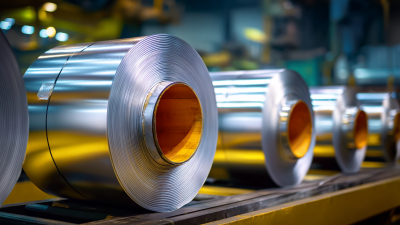
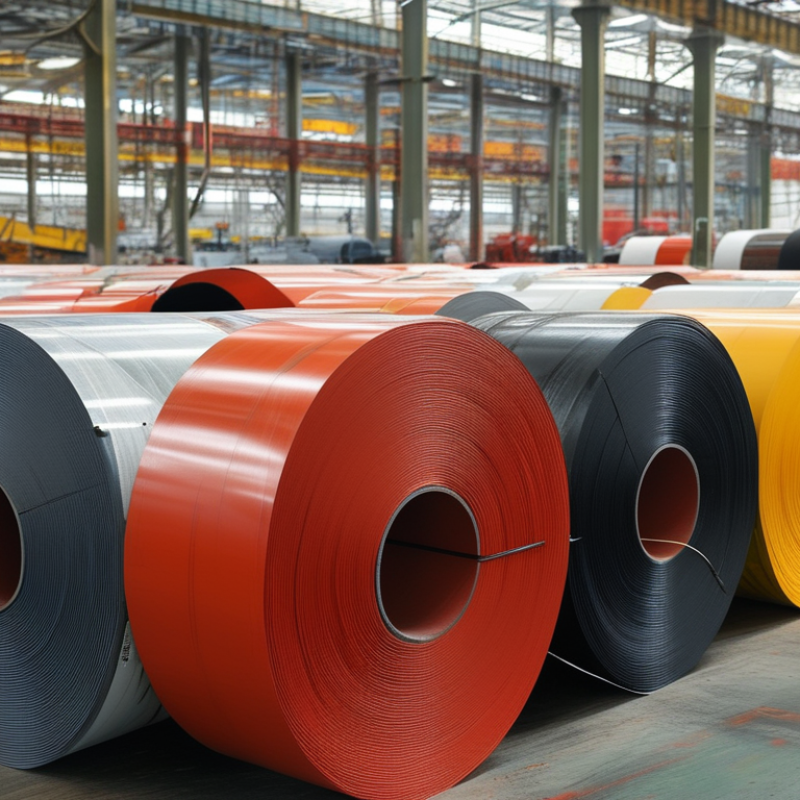
In China, coated coil products are essential for various industries. These products include color-coated steel coils, galvanized steel coils, and aluminum coils. The market for coated coils is growing rapidly, with an estimated annual growth rate of 5.8% from 2021 to 2026. This trend indicates increasing demand in construction, automotive, and appliance sectors.
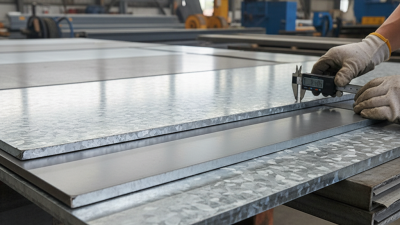
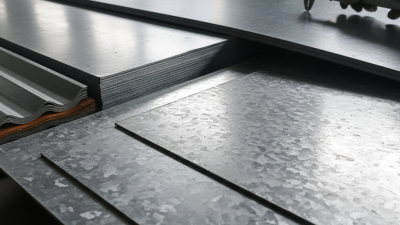
The quality of coated coils varies, influenced by factors such as coating thickness and material type. Coated steel coils are popular due to their corrosion resistance and aesthetic appeal. Aluminum coils, while lighter, can be more expensive. Industry reports show that around 65% of end-users prioritize durability and finish quality when selecting coated coils.
While many suppliers claim high standards, it is vital to assess certifications and manufacturing processes. Not all suppliers maintain consistent quality. Brands may lack transparency, making it challenging for buyers to make informed choices. Thorough research and supplier evaluation are necessary to ensure the best product for specific needs.
Key Factors to Consider When Choosing Coated Coil Suppliers
When selecting coated coil suppliers in China, several key factors become critical. One primary consideration is the supplier’s product quality. According to industry reports, a significant percentage of defects in coated coils originate during the production process. Suppliers with strict quality control measures tend to deliver better results. Evaluating certifications and compliance with international standards can provide insights into their operational reliability.
Another important factor is the supplier's production capacity. Data shows that suppliers with advanced technology and adequate facilities can manage larger orders while maintaining quality. This becomes essential as project scales increase. Additionally, understanding the lead times is crucial. Rapid production may indicate a lack of attention to detail, while longer timeframes may reflect thorough quality assurance processes.
Price competitiveness is also vital, but it shouldn’t overshadow quality. Reports indicate that lower prices often correlate with compromised materials or manufacturing practices. Hence, evaluating total cost, including potential rework or replacement, is essential. Engaging in open communication during the selection process can reveal a supplier's commitment to service and support. Assessing these factors can significantly mitigate risks and enhance project success.
Top Rated Coated Coil Suppliers in China: A Comparative Analysis
When choosing coated coil suppliers in China, a comprehensive comparative analysis is essential. Various factors can impact your decision, such as product quality, pricing, and delivery times. A reliable supplier should offer consistent quality and adhere to industry standards. Look for companies with relevant certifications that demonstrate their expertise and commitment to excellence.
It's crucial to evaluate supplier experience in the coated coil industry. Consider their track record and customer reviews. These insights provide valuable information about reliability and service quality. A trusted supplier often has case studies or testimonials available. These can reveal how they handled past projects, showcasing their strengths and weaknesses.
Tips: Examine their production capabilities closely. Are they equipped to meet large orders? Investigate their responsiveness. Communication can make or break a business relationship. Lastly, don’t hesitate to request samples. These directly reflect the quality of the products you can expect.
Quality Assurance and Certifications in the Coated Coil Industry
When choosing coated coil suppliers in China, quality assurance is paramount. The coated coil industry is governed by various certifications such as ISO 9001 and ISO 14001. These certifications indicate that a supplier adheres to international quality standards and environmental management processes. According to market reports, over 70% of leading manufacturers possess these crucial certifications. This data highlights their commitment to quality and sustainability.
To ensure reliability, assess the supplier's performance history. Look for feedback from previous customers. This information often reveals strengths and weaknesses that reports may overlook. Often, lesser-known suppliers can offer competitive products, but they may lack extensive quality assurances. Performing thorough due diligence can help avoid surprises later.
Tips: Verify the certifications on a supplier's website. Request test reports for coatings. Consider visiting production facilities if possible. Such actions reflect serious investment in quality assurance. Quality checks should not be taken lightly; irregularities may point to deeper issues. The coated coil market is dynamic and requires ongoing scrutiny of suppliers. Understanding these aspects significantly aids in selecting the best partner in the industry.
Tips for Establishing Long-Term Relationships with Suppliers
Building strong relationships with coated coil suppliers in China demands more than just transactional interactions. Transparency and consistent communication are foundational. Regular updates about production timelines and material specifications help foster trust. A recent industry report highlights that 70% of successful supplier partnerships cite open dialogues as a key factor.
Understanding supplier capabilities is essential. Regular factory visits or audits can provide insights into production quality and adherence to industry standards. According to a market survey, businesses that engage in site visits report over 30% higher satisfaction in supplier relationships. This effort shows commitment and helps in aligning both parties’ expectations.
Mutual respect leads to longevity. Recognizing seasonal fluctuations in production capacities can ensure smoother operations. Both parties must acknowledge that challenges will arise. Sometimes, delays happen due to unforeseen circumstances. Maintaining a problem-solving approach will help in navigating these issues, ultimately strengthening the business relationship over time.
Top Coated Coil Suppliers in China - Supplier Quality Comparison