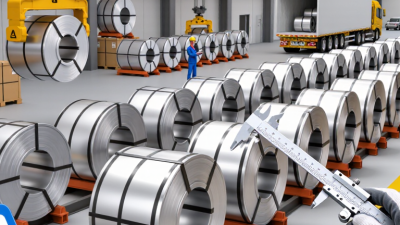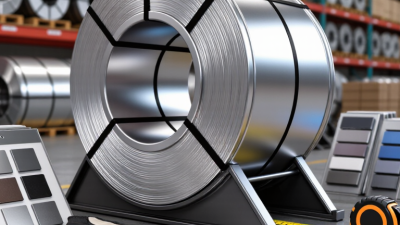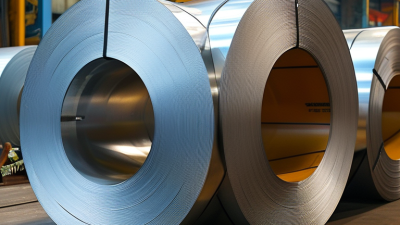
Who are the top suppliers in 2026 depends on a buyer’s requirements, location, and available supply. Hot Rolled Coil is used in construction, machinery, automotive components, and pipe production. But a supplier’s name alone cannot show whether its product suits a specific production line.
This guide compares suppliers using practical factors: production capacity, product range, dimensional consistency, delivery reach, and quality documentation. Buyers should check grade, thickness, width, surface condition, packaging, and mill test certificates. A coil that looks suitable on a quotation may perform differently during forming or welding. Small differences matter.
Market positions can shift during the year. Capacity changes, freight costs, regional demand, and trade conditions can all affect price and lead time. Public rankings may also group steelmakers with service centers, though their roles and capabilities differ. That distinction is easy to miss. Confirm product details directly, especially for unusual grades or large orders.
The companies covered here are best treated as a shortlist, not a universal ranking. Their suitability depends on order volume, technical needs, location, and support after purchase. No overview replaces checking current documents or evaluating a sample. Even established suppliers may have weak spots. Delivery performance deserves more scrutiny than polished marketing claims. This comparison offers an evidence-led starting point for evaluating Hot Rolled Coil suppliers in 2026, while recognizing that public information may not reflect every local constraint.
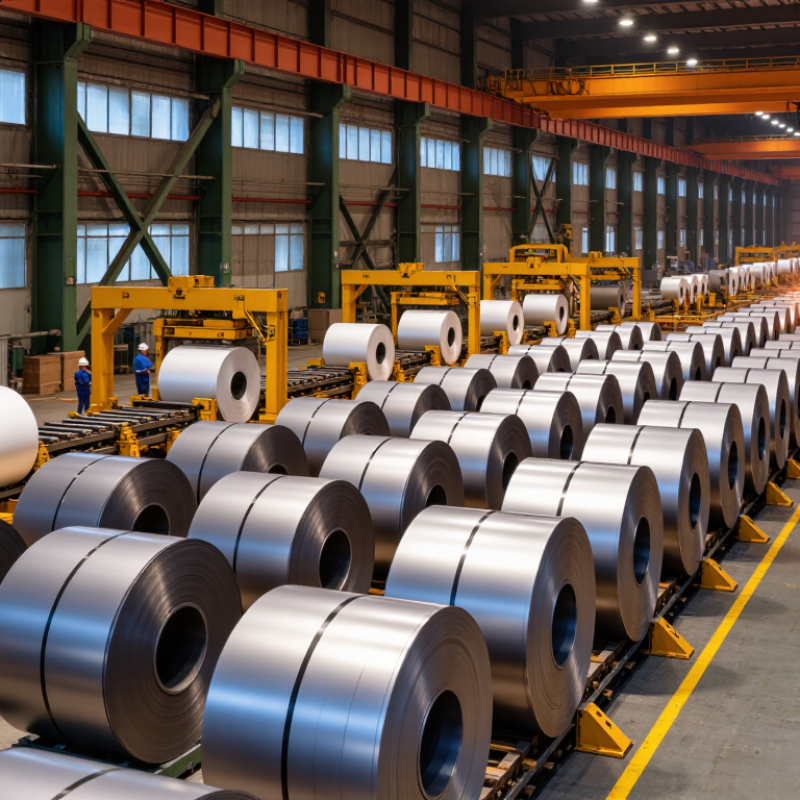
Hot-rolled coil is steel rolled into a long, continuous strip while the metal is still hot. Mills heat a steel slab and pass it through rollers until it reaches the required thickness. The strip is then wound into a coil for storage and transport. It sounds simple, but temperature and rolling conditions affect the final material.
As the steel cools, its surface often develops a dark oxide layer called mill scale. Thickness and surface finish may be less precise than with cold-rolled steel. That matters. Buyers should check the required grade, thickness, width, and intended processing before ordering.
Hot-rolled coil is used in building frames, bridges, vehicle parts, pipes, agricultural equipment, and general machinery. Its strength and workability suit components that need cutting, bending, or welding.
On a fabrication floor, a coil might be slit into narrower strips, then shaped into structural sections or equipment housings. The material is not ideal for every visible surface; extra cleaning or finishing may be needed.
In practice, the boundary between “standard” and “special” requirements can be blurry, so clear specifications help prevent mismatches. When comparing suppliers, ask for traceable test documents and confirm that the coil’s dimensions and properties match the job.
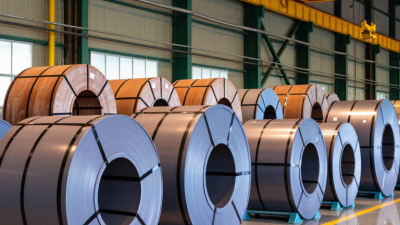
A reliable evaluation starts with the coil itself. Compare steel grade, carbon range, thickness tolerance, width, and coil weight against your actual production needs. Ask for recent mill test certificates and confirm that the stated results match the supplied batch. Useful checks include surface condition, edge quality, and consistency across several coils, not just one sample.
Capacity and delivery deserve equal attention. Ask how suppliers handle changing order volumes, production delays, and transport damage. A clear lead-time estimate is more useful than a vague promise. Check packaging details too: rust-preventive wrapping, secure strapping, and protected coil edges can matter after a long journey. Response speed matters.
Price alone can mislead. Compare freight, minimum order quantities, payment terms, and the process for resolving quality concerns. A polished brochure can still hide uneven coil edges or slow claim handling, so request references or arrange a small trial order when practical. No scorecard is perfect. Results may vary with grade and application, and buyers can overlook their own changing requirements. Record the criteria, review them after delivery, and keep notes on what worked—and what did not.
In 2026, leading hot rolled coil suppliers are best identified by measurable performance, not polished claims. Strong candidates maintain consistent thickness, width, and surface quality across repeat orders. They also provide clear mill test certificates and traceable production details. Small variations matter. A coil used for structural sections may tolerate different surface conditions than one destined for visible components.
Buyers should compare production capacity, delivery records, and access to suitable grades. Ask for sample inspection data, realistic lead times, and details about how the supplier handles out-of-spec material. Reliable communication counts, too. A low quoted price means little if a shipment arrives late or requires extra processing. Regional stock and transport options can influence the result, especially when schedules are tight.
There is no single supplier ranking that fits every buyer in 2026. The strongest choice depends on product specifications, order volume, location, and end use. Review recent performance rather than relying only on a sales presentation. Even careful checks have limits; published data may not show how a supplier performs during a sudden demand spike. That gap deserves attention.
Regional markets shape hot rolled coil availability through mill capacity, transport routes, and local demand. The World Steel Association’s World Steel in Figures 2025 reports that China produced about 1.005 billion tonnes of crude steel in 2024. India produced 149.6 million tonnes, while the United States produced 79.5 million. These figures are not HRC output, but they indicate the scale of each region’s steelmaking base. Actual coil supply also depends on rolling schedules, product specifications, and export commitments.
A large production base does not guarantee quick delivery. Buyers in import-dependent markets may face longer lead times when vessels are delayed or port inventories run low. UNCTAD’s Review of Maritime Transport 2024 says global maritime trade grew 2.4% in 2023. That matters for coil shipments: a missed sailing can disrupt a plant’s delivery window, even when mills have material available. Not always obvious.
Local supply can offer shorter transit times, but availability varies by grade and thickness. A buyer needing a narrow-gauge coil may have fewer options than one accepting standard specifications. Regional demand shifts matter, too; construction and manufacturing activity can absorb mill output before export offers appear. So, compare confirmed production slots, port stock, and delivered lead times—not just quoted prices. The awkward part is that forecasts and offers can change quickly.
| Regional Market | Main Supplier Base | Indicative 2026 Availability | Factors Shaping Supply | What Buyers Should Check |
|---|---|---|---|---|
| China | Large integrated steelmakers and electric-arc-furnace producers | Broad domestic production base; export availability can change with domestic demand, mill margins, and trade policies. | China is the world’s largest steel-producing country. Construction and manufacturing demand, production controls, and export economics influence the volume offered to overseas buyers. | Confirm export eligibility, product specification, shipment schedule, and any applicable duties or trade measures in the destination market. |
| India | Integrated producers and expanding secondary steel producers | Growing production base, with domestic infrastructure and manufacturing demand competing for supply. | Capacity additions can improve availability over time, while strong local demand, raw-material costs, and logistics affect exportable volumes. | Check whether quoted material is available for export, and verify mill capacity, delivery terms, and consistency of grade and dimensions. |
| United States | Domestic integrated mills and electric-arc-furnace producers, supplemented by imports | Domestic supply is significant; import availability depends on trade rules, freight, and regional price differences. | Demand from construction, energy, automotive, and manufacturing competes for mill output. Trade remedies and other import measures may vary by origin and product. | Verify current import requirements, origin-specific measures, lead times, and whether the material meets the required ASTM or other applicable specification. |
| European Union | Regional integrated and electric-arc-furnace producers, alongside imported material | Availability varies by country, mill maintenance schedules, demand, and the economics of imports. | The EU Carbon Border Adjustment Mechanism enters its definitive phase in 2026, adding reporting and carbon-cost considerations for covered imports. Energy prices and decarbonisation changes also influence production economics. | Confirm product coverage, emissions documentation, importer responsibilities, and delivery timing under the rules in force at the time of purchase. |
| Japan and South Korea | Export-oriented integrated producers and electric-arc-furnace producers | Potentially useful export sources for buyers seeking established regional supply chains; available volumes depend on domestic commitments and export demand. | Export orientation, currency movements, freight rates, maintenance, and demand from regional manufacturing industries affect offers and lead times. | Compare shipment windows, port capacity, specification tolerances, and landed cost rather than relying on a quoted mill price alone. |
| Türkiye | Integrated producers and electric-arc-furnace producers | Supply can serve both domestic buyers and export markets, with availability influenced by regional demand and input costs. | Energy and scrap costs, currency movements, export demand, and trade measures in destination markets can shift competitiveness and delivery options. | Check current trade restrictions, freight route, payment terms, and the producer’s ability to meet the required technical standard. |
| Middle East and North Africa | Regional integrated and electric-arc-furnace producers, with imports supplementing local supply | Availability differs substantially by country; import reliance and local production capacity are not uniform across the region. | Infrastructure projects, energy and raw-material access, port logistics, and national industrial policies shape regional supply. | Assess country-specific import procedures, port-to-site logistics, certification requirements, and the continuity of supply for repeat orders. |
| Interpretation: This is a regional market comparison, not a ranked list of individual suppliers. Availability is indicative rather than a guaranteed 2026 forecast; actual offers, capacity, lead times, and trade requirements should be confirmed for the order date and destination. | ||||
When comparing hot rolled coil suppliers in 2026, start with the specification your production line actually needs. Check grade, thickness, width, coil weight, and agreed tolerances. A small thickness variation can affect forming, yield, or downstream machining. Ask for a sample mill test certificate and confirm that coil identification stays linked to the paperwork. Traceability matters when a batch needs review.
Then compare delivery reliability, not just quoted lead time. Ask whether the stated date means dispatch or arrival, and how delays are communicated. Review packaging details too: edge protection, wrapping, and loading can affect the condition of a coil after a long truck journey. Clarify minimum order quantities, available stock, and how claims are handled. Get those terms in writing. A low price may not stay low if coils arrive late or need extra inspection.
A useful comparison sheet should separate material cost, freight, payment terms, and any processing fees. Check whether the supplier can provide consistent specifications across repeat orders, rather than judging one shipment alone. No scorecard catches everything. A short technical discussion can reveal whether sales staff understand your application or are simply repeating a catalog description. I would still leave room for judgment; not every operational risk fits neatly in a spreadsheet.