Top 10 Metal Coil Suppliers in China for Global Buyers?
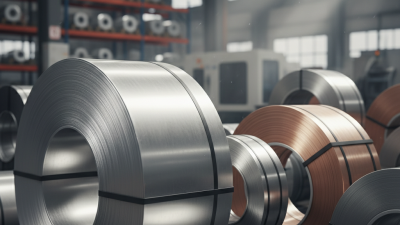
The demand for Metal Coils continues to rise globally, driven by various industries, including automotive and construction. According to industry reports, the global metal coil market was valued at approximately $500 billion in 2022 and is projected to grow at a CAGR of 5% from 2023 to 2030. This growth presents both opportunities and challenges for suppliers.
In China, numerous companies specialize in manufacturing Metal Coils, aiming to meet international standards and buyer needs. However, identifying a reliable supplier can be daunting. Not all suppliers maintain consistent quality or adhere to strict regulations, making it essential for buyers to conduct thorough research. The right supplier can affect product performance and durability.
Navigating this complex landscape requires careful consideration. Many suppliers showcase their capabilities online, but not all meet the high standards expected in the global market. A systematic approach to evaluating Metal Coil suppliers is critical. By analyzing their performance metrics and customer feedback, buyers can better understand which suppliers stand out in this competitive field.
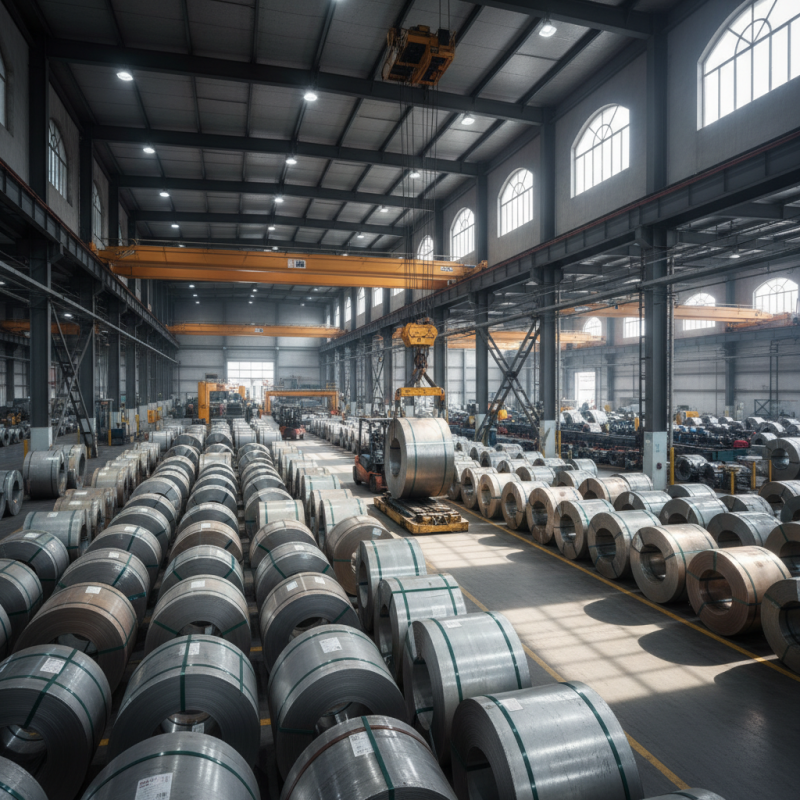
Overview of Metal Coil Manufacturing in China
China is a major hub for metal coil manufacturing, offering a wide range of materials and specifications. The country boasts advanced technology and skilled labor, which significantly contribute to its production capacity. Industries such as automotive, construction, and electronics heavily rely on these metal coils. With rising global demand, Chinese manufacturers enhance their capabilities to meet various needs.
When sourcing metal coils, consider the manufacturing process. Different processes, like hot-rolled and cold-rolled techniques, impact quality and application. Be clear about specifications, such as thickness, width, and coil weight. This reduces miscommunication and ensures you acquire the right material for your project.
Tip: Always request samples before placing bulk orders. This will allow you to evaluate quality firsthand. Additionally, verify the supplier's compliance with international standards to ensure reliability. A thorough assessment of the supplier's track record can save you time and resources. Remember, establishing a strong partnership is essential for long-term success.
Key Factors for Selecting Metal Coil Suppliers
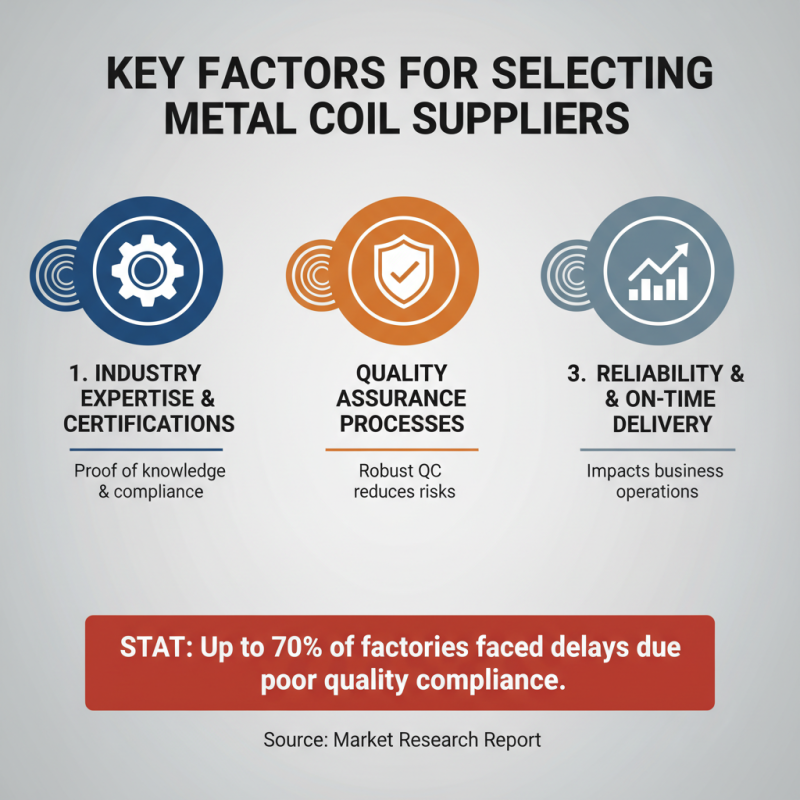
When selecting metal coil suppliers, it's essential to consider factors that directly impact your business operations. A reliable supplier must demonstrate expertise in the industry, evidenced by relevant certifications and quality assurance processes. According to a market research report, up to 70% of factories reported that poor compliance with quality standards led to production delays. Ensuring your supplier has robust quality control can mitigate such risks.
Another critical aspect is innovation. Suppliers that invest in technology often provide better products. A recent industry study noted that companies focusing on R&D saw a 25% improvement in product quality. Assessing a supplier’s capacity for innovation can offer you competitive advantages. Additionally, geographic location plays a role in logistical efficiency. Proximity to your operations can reduce shipping times and costs, enhancing your supply chain reliability.
Pricing must be transparent yet competitive. Suppliers might offer low upfront costs, but hidden fees can erode your margins. Understanding the total cost of ownership helps avoid future financial surprises. Reviews and testimonials from other buyers can provide insights into a supplier’s performance. While data can guide your decisions, realizing that every supplier has strengths and weaknesses is crucial. Balancing these factors will lead to better supplier relationships.
Top 10 Metal Coil Suppliers in China: Company Profiles
In the ever-evolving metal coil industry, China boasts a robust supply chain that appeals to global buyers. Some companies have made significant strides in production capacity and quality control, impacting international markets. Recent reports indicate that China's metal coil production accounts for over 60% of global output, highlighting its importance in this sector.
Buyers should consider several factors when selecting a supplier. Firstly, assess the company’s production capabilities and certifications. Industry standards such as ISO9001 are essential checkpoints for reliability. Furthermore, understanding their supply chain management can provide insights into their efficiency.
Tips: Engage in direct communication with suppliers. Ask for sample materials and detailed specifications. This not only establishes trust but also enables informed decision-making. Additionally, being aware of the fluctuating prices of raw materials can help in negotiating better deals. Information from recent market analyses shows that demand is expected to grow by 5% annually, making timely partnerships essential.
Remember, not all suppliers hold the same expertise. Some may excel in specific metal types, while others lack product diversity. It's crucial to evaluate suppliers critically, ensuring they align with your project requirements and budget constraints.
Comparison of Product Offerings and Services
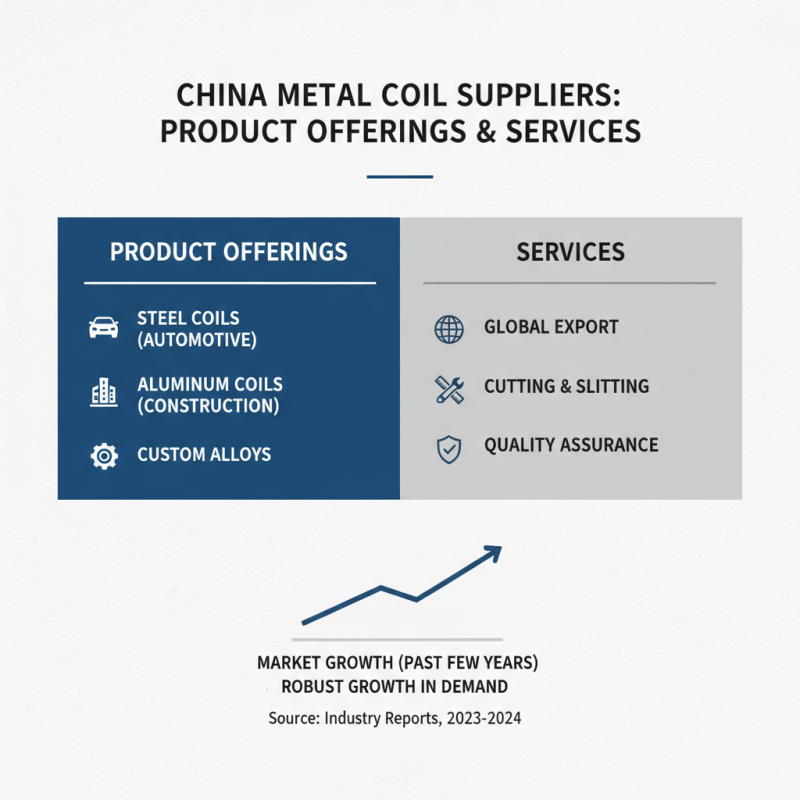
When exploring metal coil suppliers in China, it is vital to consider their product offerings and services. Various reports indicate that the Chinese metal coil market has experienced robust growth over the past few years. The demand for high-quality steel and aluminum coils has surged, particularly in the automotive and construction sectors.
Many suppliers provide competitive pricing and extensive product ranges. However, not all companies maintain the same standards in quality control. According to industry data, around 30% of suppliers fail to meet international quality certifications. This inconsistency can lead to supply chain disruptions and increased costs.
Tips: Always verify supplier certifications before committing. Look for suppliers with ISO 9001 certifications, as these standards indicate a commitment to quality management.
Service offerings also vary significantly. Some suppliers provide additional services such as custom cutting and surface treatment, while others may not. Limited service options can hinder project flexibility. Data shows that suppliers with comprehensive support services are 40% more likely to retain long-term clients.
Tips: Consider whether a supplier can accommodate specific project needs. Customization can be crucial for niche applications. Researching suppliers' service history can provide insights into their reliability.
Global Export Markets and Trends for Chinese Metal Coils
The metal coil industry in China is crucial for global supply chains. In 2022, China's metal coil exports reached approximately $7.2 billion, showing a steady annual growth rate of 3.5%. This growth is driven by increased demand in sectors such as construction and automotive manufacturing. Manufacturers are continually improving their production processes and quality control. However, challenges remain, including fluctuating raw material prices and environmental regulations.
Current trends indicate a growing preference for high-strength and lightweight metal coils. These materials enhance product performance and reduce energy consumption. Moreover, advancements in coatings and finishes are gaining traction. A recent report by the China Iron and Steel Association highlights that innovative production techniques are essential for remaining competitive. Yet, some suppliers struggle to adapt to these rapid changes, risking market share.
Additionally, the demand for sustainable practices is on the rise. Global buyers are increasingly concerned about the carbon footprint of metal production. Chinese suppliers are expected to invest more in eco-friendly processes and technologies. A 2023 industry report forecasted that sustainable metal products could see a market increase of 20% by 2025. This shift reflects a broader trend towards responsible sourcing and production in the global market.
Top 10 Metal Coil Suppliers in China - Market Trends
This bar chart represents the annual sales of the top 10 metal coil suppliers in China. It illustrates the competitive landscape and highlights the leading firms in the market.