Top 10 Metal Coils Suppliers in China for Global Buyers?
The global demand for Metal Coils has seen significant growth over recent years. According to industry reports, the market is projected to reach approximately $200 billion by 2025. This surge is driven by advancements in construction, automotive, and electronics sectors. China stands at the forefront of Metal Coils manufacturing, enhancing its position as a key player for global buyers.
In China, numerous suppliers offer a range of Metal Coils, each with unique capabilities. However, selecting the right supplier can be daunting. Factors such as quality, pricing, and reliability must be considered. The market is fragmented, with varying levels of expertise among suppliers. Buyers must navigate this landscape carefully to find the best match for their needs.
Potential challenges exist, such as fluctuating raw material prices and changing regulatory environments. Buyers should conduct thorough research and due diligence when sourcing Metal Coils. Building long-term relationships with trusted suppliers can lead to better pricing and quality assurance. Decision-makers must remain vigilant and adaptive to ensure successful procurement in a competitive market.
Overview of Metal Coils and Their Applications
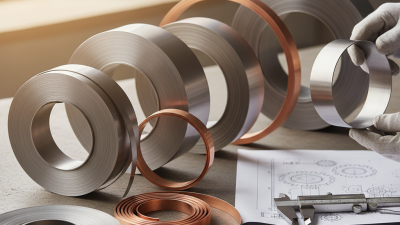
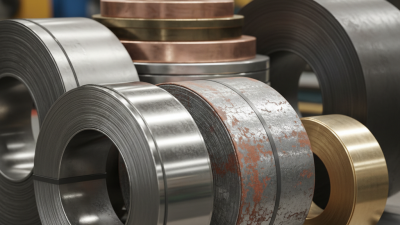
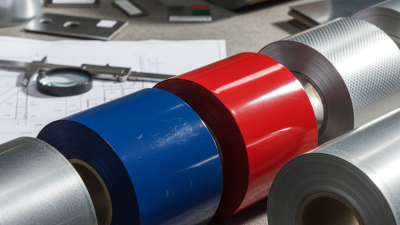
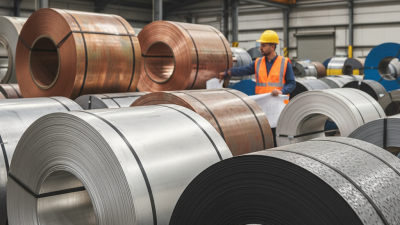
Metal coils are essential materials in various industries. They come in different metals like steel, aluminum, and copper. Each type has unique properties, making it suitable for specific applications. For instance, steel coils are often used in construction, while aluminum coils serve well in the automotive industry. Their versatility is remarkable.
In manufacturing, metal coils play pivotal roles. Electrical appliances, packaging, and roofing materials all utilize metal coils. They can be easily processed into sheets or other forms. This adaptability makes them crucial in production lines. Despite their benefits, sourcing quality coils can be challenging. Buyers must consider thickness, width, and finish.
Navigating the supply chain can feel daunting. Some manufacturers may fail to meet exact specifications. It’s vital to conduct thorough research on potential suppliers. Reliable information ensures better quality decisions. Relationships with suppliers often require regular communication. This collaboration helps clarify expectations and address issues promptly.
Top 10 Metal Coils Suppliers in China: An In-Depth Review
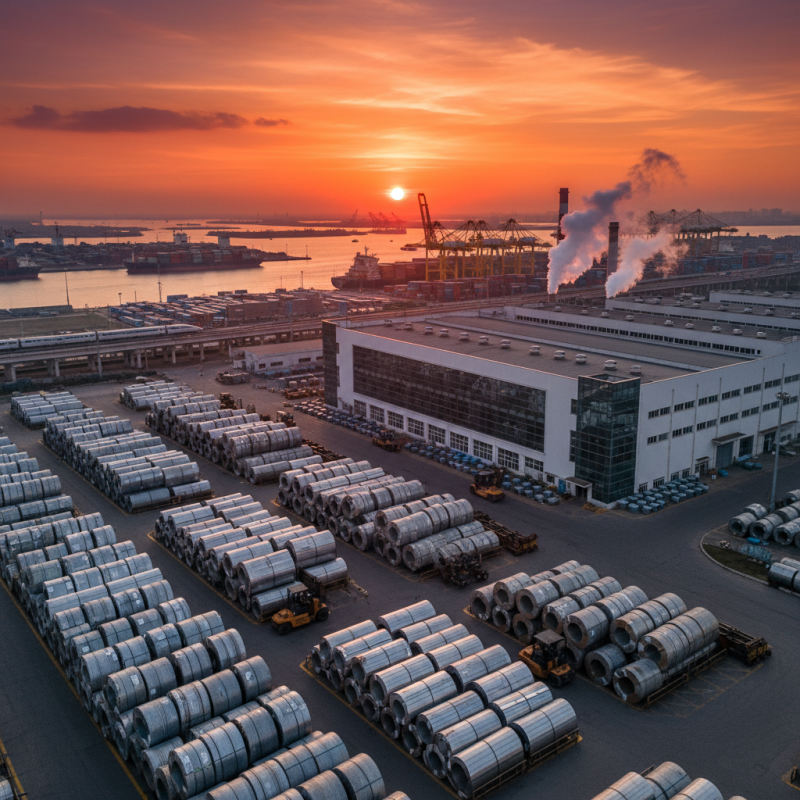
In recent years, China has emerged as a global hub for metal coil production. The demand for high-quality metal coils is rising worldwide. According to industry data, China's metal coil export volume has consistently grown, reaching over 10 million tons in 2022 alone. This significant figure indicates a robust supply chain and manufacturing capability.
Several top suppliers are reshaping the landscape. Many companies emphasize technological advancements and sustainable practices. The increase in electric vehicle production has driven the demand for specialized metal coils. Reports indicate that the automotive sector represents 25% of the total metal coil market. However, despite progress, some suppliers still face challenges related to quality control and supply chain disruptions.
Transparency remains an issue in this sector. Buyers often struggle to verify the reliability of suppliers. Trade publications suggest that identifying credible suppliers can save businesses from potential losses. A closer examination of certifications and production processes is crucial. Adopting these practices fosters trust and enhances buyer-supplier relationships in this competitive market.
Comparative Analysis of Supplier Capabilities and Offerings
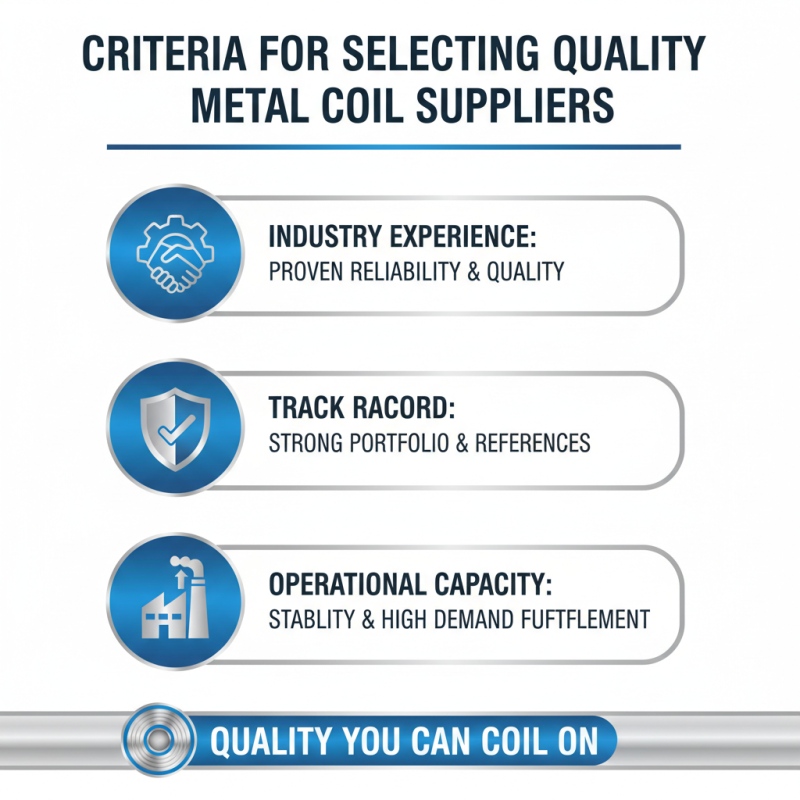
When considering metal coils suppliers in China, various factors come into play. Quality control is crucial. Many suppliers boast state-of-the-art technology but may lack consistency in production. A supplier might produce excellent materials initially, but quality can decline over time. This inconsistency poses risks for global buyers.
Price competitiveness is another essential aspect. Some suppliers offer lower prices, but this may come with sacrifices in quality or service. Transparency is vital here. Buyers need clear information about pricing structures and potential hidden costs. Engaging in direct communication can often reveal more than written contracts.
Lastly, customer service should not be overlooked. A helpful supplier can make the procurement process smoother. Look for suppliers who are responsive and willing to provide support. Some may excel at initial communication but falter in ongoing assistance. Identifying reliable partners requires diligence and a willingness to engage critically with suppliers. This reflective approach helps mitigate risks for international buyers entering the Chinese market.
Top 10 Metal Coils Suppliers Analysis
Key Trends in the Chinese Metal Coil Industry for Global Buyers
The Chinese metal coil industry is evolving rapidly. Buyers worldwide must pay attention to key trends shaping this sector. Sustainability is a focal point. Many suppliers are adopting green practices. They are increasingly using recycled materials in production. This trend appeals to eco-conscious buyers.
Innovation is also crucial. New technologies are enhancing the efficiency of metal coil production. Automation is reducing labor costs and increasing accuracy. However, this shift presents challenges. Not all suppliers can keep up with rapid technological advancements. Clients need to verify the capabilities of their suppliers.
Market competition is intensifying. Many suppliers are offering lower prices. While cost savings are attractive, they may come at the expense of quality. It's essential for buyers to conduct thorough research. Ensuring credibility and reliability should be a priority. The landscape is complex, but informed decisions can lead to better partnerships.