China Top Steel Tube Suppliers for Global Buyers?
In the competitive landscape of global manufacturing, China emerges as a leading supplier of Steel Tube products. With an impressive number of manufacturers, the country has cultivated expertise in producing high-quality steel tubes. These tubes serve various industries, including construction, automotive, and energy. Buyers often seek reliable suppliers who can meet diverse needs.
Choosing the right supplier can be challenging. Buyers must consider quality, pricing, and delivery times. Some Chinese suppliers excel in innovation and technology, offering advanced steel tube solutions. However, others may struggle with consistency which raises concerns about dependability. Researching suppliers and their track records is essential for informed decision-making.
Ultimately, understanding the market dynamics of Steel Tube suppliers in China is crucial for buyers. Evaluating potential partnerships can foster successful business outcomes. This approach promotes growth and ensures that quality standards are met, which is vital in today’s fast-paced market.
Overview of China's Steel Tube Industry and Market Influence
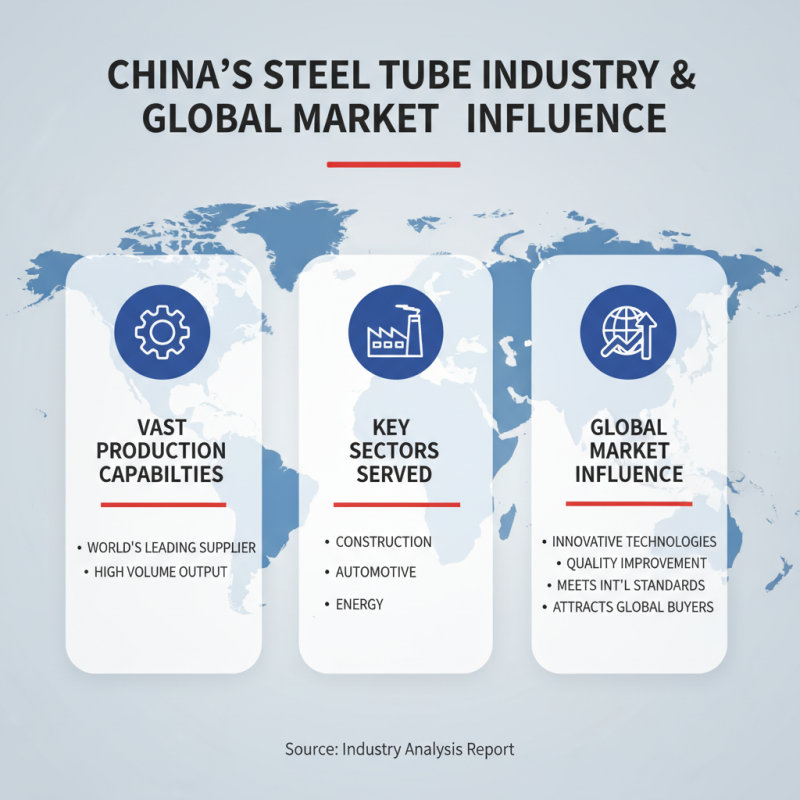
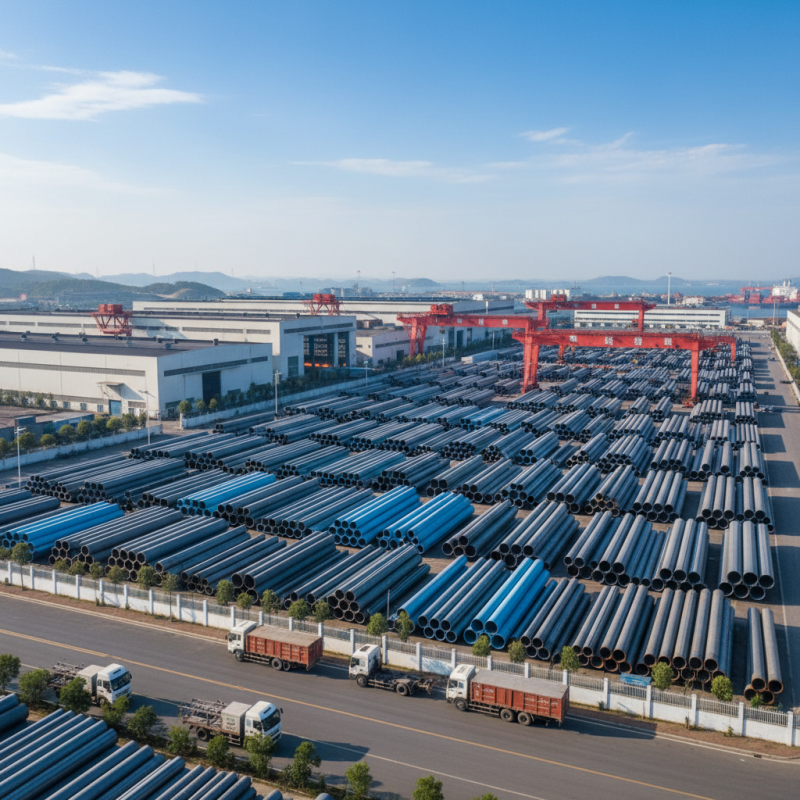
China's steel tube industry plays a significant role in the global market. With vast production capabilities, the country is a leading supplier. This industry caters to various sectors, including construction, automotive, and energy. Chinese manufacturers focus on innovative technologies. They aim to meet international standards and improve product quality, which attracts global buyers.
Quality remains a concern for some. Not all manufacturers adhere to strict quality control. Buyers must conduct thorough research before making decisions. Understanding the specific needs of the market can lead to better choices. Competing with local producers also presents challenges. International buyers must be aware of fluctuating prices and changing regulations.
The demand for steel tubes continues to rise. Industries seek strong, durable materials for infrastructure projects. Sustainability is becoming a priority for many manufacturers. More companies are investing in eco-friendly practices. This trend could reshape the industry's future and influence global trade dynamics. Engaging with experienced suppliers will be crucial.
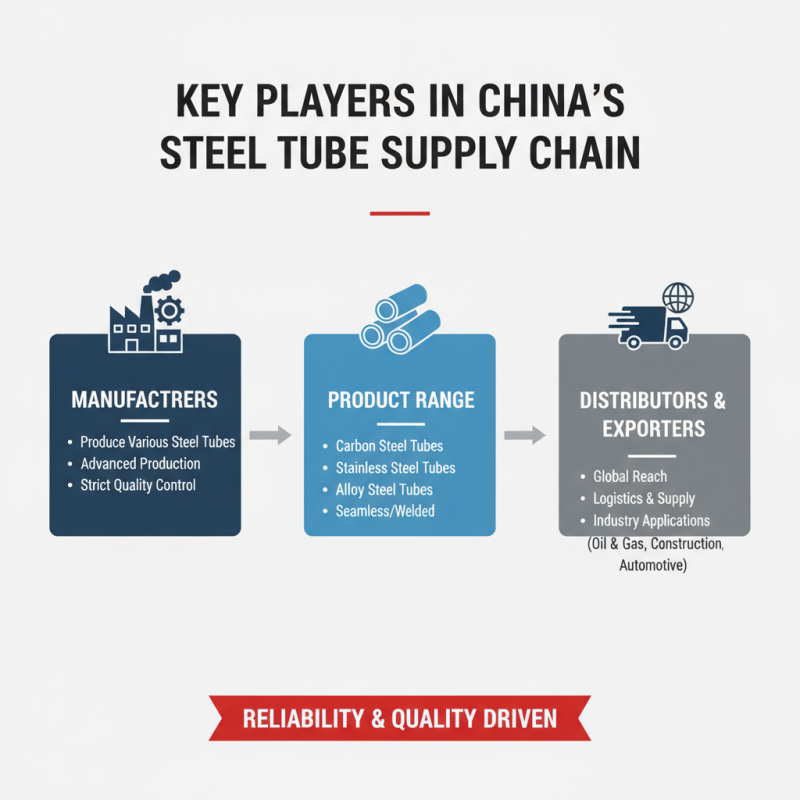
Key Players in China's Steel Tube Supply Chain
China's steel tube supply chain involves several significant players, ranging from manufacturers to distributors. These companies excel in producing various steel tube products, catering to diverse industries. Their capabilities include advanced production techniques and strict quality control measures. Such attention to detail helps ensure the reliability of their products.
In a competitive market, many suppliers face challenges. Fluctuating raw material prices can impact production costs. Additionally, there's a constant push for innovation. Companies are actively seeking new technologies to enhance efficiency and reduce waste. Despite these hurdles, the commitment to quality remains unwavering among top suppliers.
Moreover, collaboration within the supply chain plays a crucial role. Local manufacturers often work with logistics firms to streamline delivery processes. This partnership improves lead times and customer satisfaction. However, maintaining consistent quality throughout the supply chain proves complex and requires ongoing assessment. Frequent communication and honest feedback are vital for growth and improvement.
Quality Standards and Certifications for Steel Tubes in China
When sourcing steel tubes from China, understanding quality standards is essential. The manufacturing process adheres to strict guidelines to ensure durability and reliability. Common quality certifications include ISO 9001, which focuses on quality management systems. Additionally, API and ASTM certifications are critical for certain applications, indicating compliance with industry standards.
Tips: Always verify certifications before making a purchase. This can save you from receiving subpar products that do not meet your needs.
Quality inspection often occurs at various stages of production. This includes checking raw materials and final products. However, not all suppliers may follow these practices uniformly. It’s crucial to conduct due diligence and request detailed quality reports.
Tips: Don’t hesitate to ask for samples. This can help you gauge the product's quality directly.
Communication with suppliers about quality control practices is vital. Clear expectations can lead to better results. Remember, transparency fosters trust in the supply chain. Reflect on your dealings and consider maintaining close relationships with reliable partners for consistent quality.
Export Trends and Global Demand for Chinese Steel Tubes
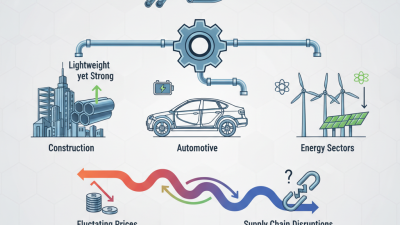
The global demand for steel tubes is surging, driven by various industries. In construction, energy, and automotive sectors, steel tubes serve essential functions. The flexibility and strength of these products make them attractive in diverse applications. Recent data indicate a significant increase in exports from China, highlighting its key role in the global market.
Despite this growth, challenges remain. Quality control issues occasionally arise, impacting the reliability of supplies. Buyers must be diligent in assessing suppliers and their practices. Engaging with manufacturers directly can lead to more reliable partnership choices. Additionally, fluctuations in raw material prices can affect production costs and supplies.
Trade relationships also play a crucial role in export trends. Political changes can disrupt the flow of goods. Companies must stay informed about tariffs and trade agreements that affect steel tube imports. Regular market analysis helps in navigating these complexities, ensuring buyers make informed decisions.
China Top Steel Tube Suppliers for Global Buyers
This chart illustrates the export volume of Chinese steel tubes over the years, showing a steady increase in demand from global buyers. The data reflects trends from 2020 to 2023, highlighting the growing significance of Chinese suppliers in the international market.
Challenges Facing Chinese Steel Tube Suppliers in the Global Market
Chinese steel tube suppliers face significant challenges in the global market. Competing with established players is daunting. The fluctuating steel prices can impact profit margins. Furthermore, there are varying quality standards across regions. Meeting these diverse requirements is essential for success.
Quality control is vital. Suppliers must understand international standards deeply. Many face difficulties in achieving these standards consistently. Establishing strong relationships with global buyers can enhance trust. This is crucial for long-term partnerships.
Tips: Diversify your offerings. This strategy can help mitigate risks. Conduct thorough market research to understand potential customers' needs. Staying updated on industry trends is also beneficial. Engaging directly with feedback can offer insights for improvement.