Top 10 Uses of Steel Wire You Need to Know for Your Projects
Steel wire is an incredibly versatile material that plays a crucial role in various industries and applications. With its unique combination of strength and flexibility, steel wire is utilized in countless projects, ranging from construction to crafting. Understanding the top uses of steel wire can help both professionals and DIY enthusiasts make informed decisions when selecting materials for their endeavors.
In this exploration of steel wire's applications, we will delve into its diverse functionalities, highlighting how it is employed in reinforcing structures, creating intricate designs, and providing essential support in numerous projects. Whether you're looking to enhance the durability of a construction work or innovate in your next art installation, steel wire can be the key to achieving your project goals. This guide will reveal the top ten uses of steel wire that you need to know, ensuring you harness its properties effectively for optimal results in your projects.

Common Applications of Steel Wire in Construction Projects
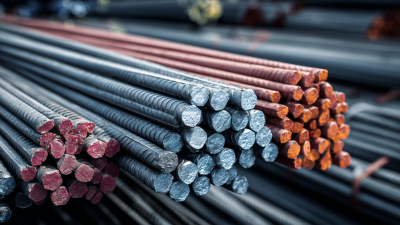
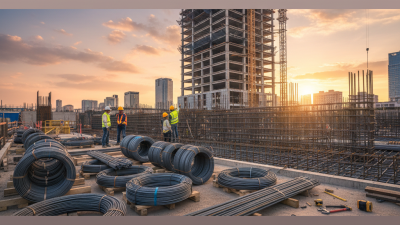
Steel wire is a fundamental material in construction projects, serving essential roles that contribute to the structural integrity and longevity of buildings. According to a report by the World Steel Association, approximately 1.6 billion tons of steel are produced annually, a significant portion of which is used in various construction applications. Steel wire is particularly prized for its high tensile strength and resilience, making it a vital component in reinforcement and tensioning applications. For instance, it is commonly used in concrete reinforcement, where steel wire mesh or rebar is embedded within concrete to enhance its load-bearing capabilities.
Another critical application of steel wire in construction is in the form of wire ropes. These are extensively used for lifting and rigging in construction sites, providing a safe and efficient means of hoisting heavy materials. The Occupational Safety and Health Administration (OSHA) has noted that properly inspected and maintained wire ropes can significantly reduce the risk of accidents on job sites. Furthermore, the versatility of steel wire allows it to be used in fencing, cable supports, and as binding material, further highlighting its indispensable role in modern construction practices. The ongoing advancements in steel wire production techniques also promise continued improvements in performance and safety standards, making it an ever-evolving resource for engineers and builders alike.
Top 10 Uses of Steel Wire You Need to Know for Your Projects
| Application |
Description |
Common Sizes |
Strength (MPa) |
| Reinforcement |
Used in concrete to provide tensile strength. |
10 mm, 12 mm |
400 - 600 |
| Wire Fences |
Creates boundaries and protects properties. |
2.5 mm, 4 mm |
300 - 500 |
| Suspension Cables |
Used in bridges for load-bearing. |
5 mm, 8 mm |
1000 - 1600 |
| Strapping |
Secures packages and materials for transport. |
2 mm, 3 mm |
500 - 800 |
| Spring Manufacturing |
Used to create various types of springs. |
1 mm, 2 mm |
600 - 1200 |
| Tensioning Systems |
Used in structural applications for stability. |
5 mm, 10 mm |
600 - 1000 |
| Lifting Slings |
Used for lifting heavy loads safely. |
6 mm, 8 mm |
800 - 1400 |
| Crafting and Art |
Used in various artistic and crafting applications. |
1 mm, 2 mm |
300 - 500 |
| Electrical Applications |
Used in wiring and electrical components. |
0.5 mm, 1 mm |
200 - 400 |
Innovative Uses of Steel Wire in Electrical Wiring and Cables
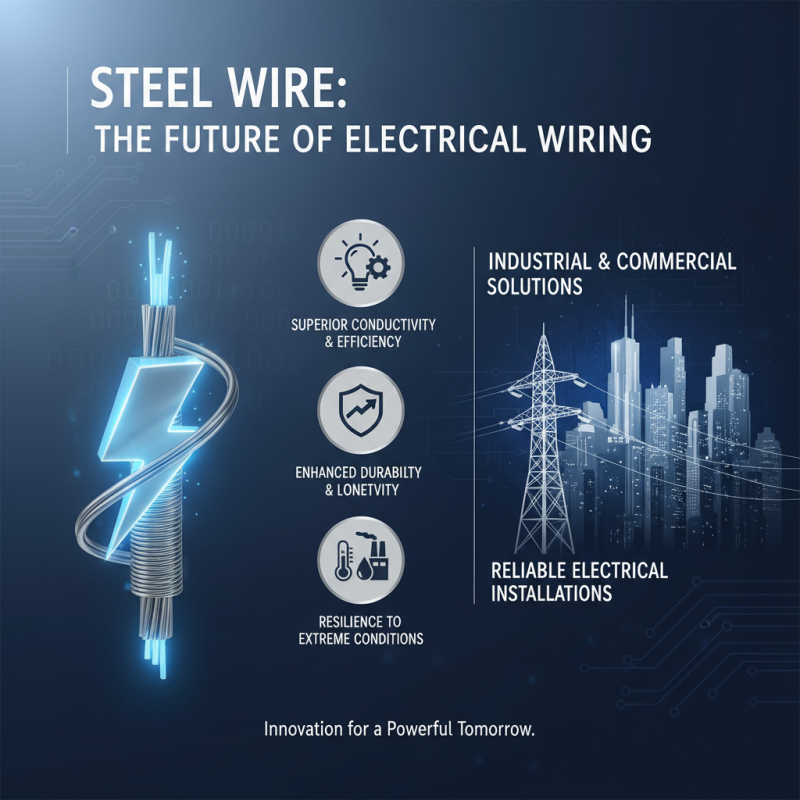
Steel wire is increasingly being recognized for its innovative applications in electrical wiring and cables. Due to its exceptional conductivity and durability, steel wire serves as a vital component in various electrical systems, enhancing both performance and longevity. Its strength allows for more efficient transmission of electricity, making it an ideal choice for industrial and commercial wiring solutions. Additionally, steel wire can withstand adverse environmental conditions, such as extreme temperatures and moisture, thereby ensuring the reliability of electrical installations over time.
Moreover, the use of steel wire in cables contributes to improved safety measures. It provides added structural integrity, reducing the risk of cable breakage or failure under stress. This has made steel-reinforced cables a preferred option for critical applications, particularly in construction and infrastructure projects. By innovatively integrating steel wire into electrical wiring systems, engineers and designers can create more robust and efficient networks that meet the demands of modern technology while prioritizing safety and sustainability.
Steel Wire in Manufacturing: From Automotive to Aerospace Industries
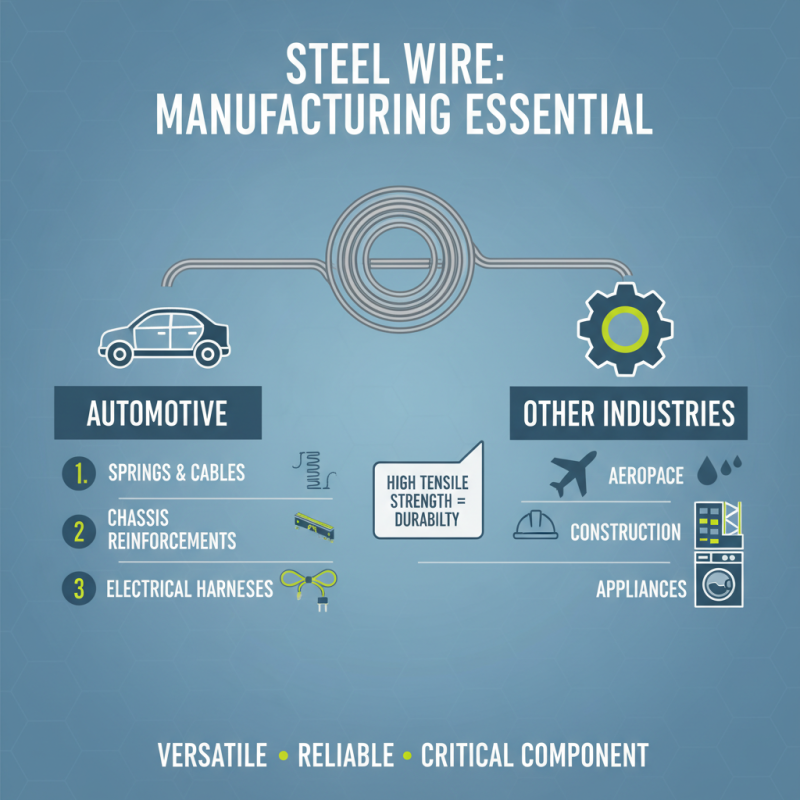
Steel wire has become an integral component across various manufacturing sectors, including automotive and aerospace industries. In automotive manufacturing, steel wire is essential for producing components like springs, cables, and chassis reinforcements. Its high tensile strength allows for the creation of durable parts that can withstand the rigorous demands of vehicle operation. Additionally, steel wire is often utilized in the assembly of electrical wiring harnesses, providing a reliable and efficient solution for connecting various electronic systems within modern vehicles.
In the aerospace sector, the applications of steel wire are equally significant. Steel wire is used in the production of critical structural components such as landing gear, control cables, and engine mounts. Due to its lightweight and high-strength characteristics, steel wire can help reduce overall aircraft weight while maintaining structural integrity. Furthermore, its resistance to corrosion and fatigue ensures longevity and reliability in the harsh conditions experienced during flight. Overall, steel wire’s versatility and performance make it a pivotal element in the advancement of both automotive and aerospace engineering, driving innovation and enhancing safety.
Utilizing Steel Wire in Agricultural Fencing and Support Structures
Steel wire plays an indispensable role in agricultural fencing and support structures, providing essential support and security in various farming applications. When it comes to fencing, steel wire is preferred for its durability and strength. It can effectively contain livestock, protect crops from wildlife, and define property boundaries. Its resilience against harsh weather conditions makes it ideal for long-term outdoor use. Farmers appreciate steel wire’s resistance to rust and wear, ensuring that their fencing remains intact even after years of exposure.
In addition to fencing, steel wire is widely used in constructing support structures for plants and crops. Whether it's for trellising vines or supporting heavy fruit-bearing plants, steel wire offers the necessary strength and flexibility. It allows for the alignment and stability needed to promote healthy growth and maximize yield. By adjusting the tension in the wire, farmers can create customized support systems that adapt to the specific requirements of various plants. Overall, steel wire is an essential component that enhances the efficiency and productivity of agricultural projects.
Creative DIY Projects that Incorporate Steel Wire Techniques
Steel wire is a versatile material that has found its way into an array of creative DIY projects, showcasing its unique properties and strength. With the wire's pliable yet durable nature, hobbyists and professionals alike can use it for everything from crafting intricate sculptures to constructing functional home decor. According to a recent industry report, the steel wire market is projected to grow at a CAGR of 5% over the next five years, highlighting its increasing importance in both construction and artistic endeavors.
One popular application is creating wire art. Artists can manipulate steel wire into stunning shapes, combining it with other materials like glass or wood to produce eye-catching pieces. Additionally, steel wire can be utilized in gardening projects, such as making plant trellises or supporting fragile plants, ensuring that they grow in an optimal way.
**Tip:** When working on wire art, consider using a range of gauges to achieve different textures and finishes. Thinner wire can be easier to bend for intricate designs, while thicker wire provides a more robust framework.
Moreover, steel wire can be incorporated into jewelry making, enabling designers to craft unique and durable pieces. Using techniques like weaving and wrapping, artisans can produce one-of-a-kind items that stand out in the marketplace.
**Tip:** Experiment with different pliers and tools to reshape wire, as this can greatly enhance the final look of your jewelry projects!
Top 10 Uses of Steel Wire in DIY Projects