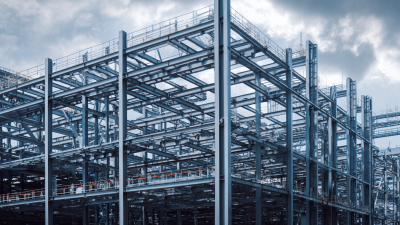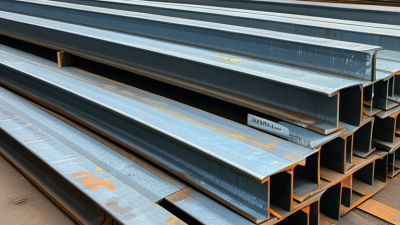
Choosing the “10 Best Structural Steel Suppliers Worldwide” requires more than comparing annual output or recognizable names. Structural Steel supports bridges, industrial buildings, ports, stadiums, and energy infrastructure. Its quality can influence safety, construction speed, and long-term maintenance costs.
The World Steel Association reported 1,892.2 million tonnes of crude steel production in 2023, according to World Steel in Figures 2024. That enormous volume hides important differences between producers. Product consistency, section availability, certification, delivery reliability, and technical support can matter more than production scale. A major mill may still perform poorly for a small project with urgent delivery requirements. Scale is not everything.
This guide evaluates suppliers through practical and verifiable criteria. It considers production capability, global distribution, steel grades, quality systems, environmental reporting, and customer support. It also examines compliance with recognized standards, including ASTM, EN, and ISO requirements, where applicable. Mill certificates, inspection records, and traceability documents provide stronger evidence than promotional claims. The OECD’s Steel Market Developments reports have repeatedly highlighted global overcapacity and changing trade conditions, making supplier resilience increasingly important. Freight routes and regional regulations can quickly change the commercial picture.
The International Energy Agency’s Iron and Steel Technology Roadmap also identifies emissions reduction as a central industry challenge. Therefore, carbon data and transition plans deserve careful attention. Not every company publishes comparable data. That limitation matters. Rankings cannot capture every project-specific risk, and supplier performance may vary by country, product, and contract. This list is a practical shortlist, not a universal verdict. Careful buyers should verify current certifications, lead times, and delivered costs before making a final decision.
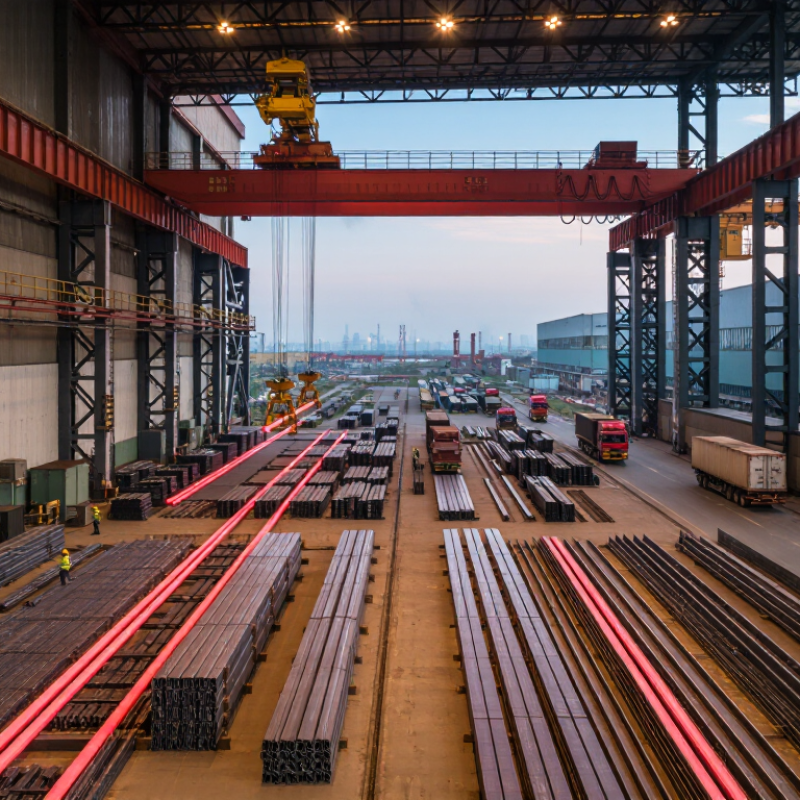
Structural steel suppliers are companies that source, process, and distribute steel products for load-bearing construction. Their materials include beams, columns, hollow sections, plates, and connection components. They also provide cutting, drilling, surface treatment, testing, and delivery coordination.
Their role extends beyond selling metal. A capable supplier converts engineering specifications into traceable, usable components. Mill certificates confirm chemical composition and mechanical strength. Dimensional checks help prevent costly fitting problems on site. According to World Steel Association’s World Steel in Figures 2024, global crude steel production reached about 1.89 billion tonnes in 2023. This scale shows why reliable supply management matters. Construction remains one of the largest steel-consuming sectors.
Suppliers also influence project risk, carbon performance, and schedule stability. The International Energy Agency reports that iron and steel production creates roughly 8% of global energy-related carbon dioxide emissions. Therefore, material origin, recycled content, and production technology deserve careful review. A supplier should explain these details, not hide behind general claims. Yet this definition is incomplete. A company may provide accurate certificates and still miss a critical delivery window. Procurement teams need practical evidence: stock visibility, inspection records, packaging quality, and realistic lead times. Small failures matter. One damaged beam can delay several trades. Supplier evaluation should combine technical knowledge with site experience, independent testing, and honest communication. Perfect performance is unlikely, so transparent correction procedures are essential.
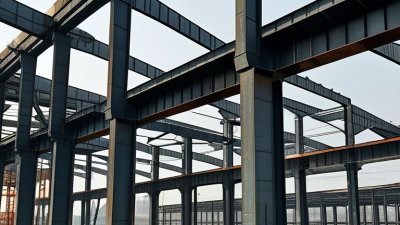
Choosing a global structural steel supplier requires more than comparing quoted prices. Start with documented experience in beams, columns, plates, and fabricated assemblies for projects similar to yours. A supplier should provide traceable heat numbers, mill test certificates, dimensional records, and independent inspection options. These details connect the steel delivered to the steel tested.
Technical capability matters. Check grade availability, welding performance, coating systems, and tolerance control. Ask how the supplier handles nonconforming material. Reliable companies explain the process clearly, instead of hiding behind general promises. Review production capacity, realistic lead times, export packaging, and port logistics. A strong supplier can also discuss carbon reporting, recycled content, and worker safety with evidence. Certifications help, but they do not replace current project references or factory audits.
Tips: Request a sample quality dossier before signing. Compare delivery terms carefully. Speak with one recent customer, if possible. A low price can still become expensive when drawings, testing, or replacement steel are delayed. No supplier is perfect. Even experienced buyers can overvalue certificates and undervalue communication during a problem. Leave room for inspection, corrective action, and honest review. The best choice is usually the supplier offering consistent evidence, practical engineering support, and dependable communication across borders.
A regional review of the ten leading structural steel suppliers reveals different strengths across global markets. East Asian suppliers often combine large-scale production with automated plate cutting and high-volume beam rolling. European producers are recognized for strict traceability, efficient fabrication, and demanding environmental reporting. North American suppliers commonly support complex commercial, industrial, and infrastructure projects with detailed engineering coordination.
Middle Eastern suppliers have expanded rapidly around ports, energy facilities, and major urban developments. Their advantages include short delivery routes within the region and experience with harsh climates. South Asian producers often compete through flexible fabrication, skilled welding teams, and practical project support. Some facilities serve smaller contractors better than large mills do. This difference matters.
A dependable supplier should provide mill certificates, heat numbers, welding procedures, and independent inspection access. Production capacity also needs verification, not just a polished website. Buyers should examine coating quality, dimensional tolerances, transport planning, and replacement procedures for damaged sections. Price alone misleads. This method is useful, but imperfect. Rankings can change when freight costs, energy prices, and construction demand shift. My experience with procurement reviews suggests that communication often predicts project reliability better than a low initial quotation. A supplier that reports delays early may protect a schedule more effectively than one promising unrealistic delivery dates.
10 Best Structural Steel Suppliers Worldwide?
A reliable supplier is judged by more than price or production volume. The strongest candidates offer beams, columns, plates, channels, angles, hollow sections, and fabricated assemblies. Product range matters when one project includes a warehouse frame, bridge plate, and custom connection parts.
Standards must match the project location and design code. Common references include ASTM, EN, JIS, and ISO requirements. Ask for mill test certificates, heat numbers, chemical analysis, tensile results, and impact performance. Traceability should continue from raw billet to finished member. In practice, I have found that clear documentation prevents more delays than fast quotations. Small details matter.
Manufacturing capability separates a trader from a dependable producer. Look for automated rolling lines, CNC cutting, drilling, bending, welding, shot blasting, and protective coating systems. Independent inspection, calibrated testing equipment, and documented quality procedures strengthen confidence. Suppliers should also explain tolerances, minimum order quantities, lead times, and packing methods. A heavy beam arriving with damaged edges creates costly site work. Not ideal.
A worldwide top-ten comparison should consider capacity, export experience, engineering support, and response quality. A supplier may produce excellent steel but lack the equipment for oversized plates or complex welded sections. That weakness is easy to miss during early discussions. Factory audits, sample certificates, and production photographs provide useful evidence, although photographs can be outdated. No ranking is perfect. Procurement teams should question attractive claims and verify performance against the actual specification.
This benchmark compares widely used structural-steel specifications by nominal minimum yield strength. The grades represent common international supply requirements for beams, columns, plates, channels, angles, hollow sections, and fabricated steel structures.
Manufacturing scope: Global structural-steel producers commonly support hot-rolled sections, steel plates, welded and seamless hollow sections, cut-to-length products, drilling, profiling, welding, blasting, and coating. Yield-strength values are specification-based minimums and should not be treated as a direct ranking of suppliers.
Choosing among the 10 best structural steel suppliers worldwide requires more than comparing quoted prices. Your project needs a supplier that matches its design, schedule, and risk profile. Start with verified production capacity, relevant certifications, and experience with similar structures. A supplier familiar with high-rise frames may not suit a remote bridge project.
Ask for recent mill test certificates, welding procedures, inspection records, and material traceability documents. Check whether each heat number remains linked to delivered plates or sections. Confirm dimensional tolerances, surface treatment, packaging, and loading methods. Small gaps here can create expensive site delays. They often do.
Lead time deserves careful testing. Request a production schedule with drawing approval, fabrication, inspection, shipping, and customs milestones. Compare the supplier’s proposed route with your site’s unloading capacity. A low-cost shipment is useless if trucks cannot reach the project safely. Review payment terms, currency exposure, insurance, and responsibilities for damaged cargo.
Speak with recent clients, not only listed references. Ask how the supplier handled late drawings, rejected welds, and unexpected changes. That conversation can reveal more than a polished presentation. I would also order a small trial batch when quality risk is high. It adds time, but it exposes weak communication early. Price still matters, naturally. Yet the cheapest offer may hide limited inspection, vague tolerances, or fragile delivery promises. Leave room for doubt, and document every assumption before signing.
| Rank | Anonymous Supplier Profile | Primary Supply Region | Typical Product Scope | Common Technical Standards | Quality & Traceability Documents | Best Project Fit | Lead-Time Planning | Screening Score |
|---|---|---|---|---|---|---|---|---|
| 1 | Profile A — Large Integrated Mill | Western and Central Europe | H-beams I-sections Plates Merchant bars | EN 10025; EN 1090 project requirements; ISO-based quality systems | Inspection certificates, heat-number traceability, chemical analysis, mechanical test results, CE-related documentation where applicable | Large commercial buildings, bridges, industrial plants | Plan 8–16 weeks | 9.4/10 |
| 2 | Profile B — High-Volume Asian Export Mill | East Asia | Wide-flange beams Plates Angles Channels | ASTM A36/A572; EN 10025; JIS G3106; equivalent project specifications | Mill test certificates, third-party inspection options, packing lists, weldability data, export documentation | Cost-sensitive international projects and high-volume packages | Plan 10–18 weeks including shipment | 9.1/10 |
| 3 | Profile C — North American Service-Center Network | United States and Canada | W-shapes HSS Plate Cut-to-length steel | ASTM A500; ASTM A572; ASTM A992; AWS fabrication requirements | Material test reports, domestic melt documentation where required, dimensional reports, coating certificates | Commercial frames, warehouses, infrastructure, rapid domestic procurement | Plan 4–10 weeks | 8.9/10 |
| 4 | Profile D — Japanese Specification Mill | Japan and Northeast Asia | Rolled sections Structural plate Sheet piles Special grades | JIS G3101; JIS G3106; ASTM and EN grades subject to order approval | Heat traceability, detailed test certificates, dimensional inspection, welding and impact-test records where specified | Seismic projects, demanding infrastructure, high-quality engineered structures | Plan 10–20 weeks | 8.8/10 |
| 5 | Profile E — Australian Regional Producer | Australia and Oceania | Universal beams Universal columns Plate RHS/SHS | AS/NZS 3678; AS/NZS 3679; AS/NZS 1163 for structural hollow sections | Test certificates, product compliance records, batch traceability, coating and fabrication documentation | Mining facilities, infrastructure, commercial and industrial construction | Plan 6–14 weeks | 8.6/10 |
| 6 | Profile F — Middle Eastern Integrated Producer | Gulf Cooperation Council region | Structural sections Rebar Plate Hollow sections | ASTM A36/A572; EN 10025; regional construction specifications | Mill certificates, chemical and tensile testing, third-party inspection, origin and conformity documents | Energy facilities, logistics parks, stadiums, large regional developments | Plan 6–12 weeks | 8.4/10 |
| 7 | Profile G — Turkish Export-Oriented Mill | Türkiye and surrounding markets | IPE/HE sections Angles Channels Plate | EN 10025; ASTM grades available by contract; EN 10204 inspection documentation | 3.1 inspection certificates, heat-number traceability, dimensional checks, loading and export records | Steel buildings, warehouses, bridges, general fabrication packages | Plan 6–14 weeks | 8.3/10 |
| 8 | Profile H — Indian Project-Supply Mill | India and South Asia | Beams Channels Angles Structural plate | IS 2062; ASTM A36/A572; EN 10025 subject to project approval | Mill test certificates, third-party inspection, chemical analysis, mechanical tests, packing and export documentation | Industrial buildings, infrastructure, fabrication and price-sensitive projects | Plan 8–18 weeks | 8.1/10 |
| 9 | Profile I — South American Integrated Producer | Brazil and Southern Cone markets | Welded beams Rolled sections Plate Rebar | ABNT standards; ASTM and EN grades available for selected export orders | Material certificates, batch traceability, mechanical testing, dimensional inspection, customs documentation | Mining, ports, industrial plants and regional infrastructure | Plan 8–16 weeks | 7.9/10 |
| 10 | Profile J — Specialist Fabrication and Stockholding Supplier | Multi-region distribution network | Cut-to-size plate Fabricated assemblies Hollow sections Secondary steel | Project-specified ASTM, EN, JIS or AS/NZS grades; fabrication to approved drawings | Material certificates, weld maps, welder qualifications, non-destructive testing reports, dimensional release records | Smaller projects, repair work, retrofit packages and urgent replacement steel | Plan 2–8 weeks for stock items | 7.8/10 |