2026 Best Iron Sheet Types for Global Buyers?
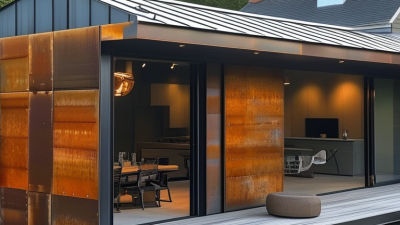
Choosing the right Iron Sheet in 2026 requires more than comparing prices on supplier websites. Global buyers face different climates, transport conditions, fabrication methods, and project standards. A galvanized sheet may perform well on a warehouse roof, while a cold-rolled sheet suits precision cabinets or automotive panels. Weathering steel can reduce repainting, but it may fail where moisture remains trapped.
Andrew Carnegie, the historic steel industrialist, once said, “As I grow older, I pay less attention to what men say. I just watch what they do.” This principle remains valuable today. Buyers should examine mill certificates, coating thickness, tensile strength, dimensional tolerances, and independent test records. Supplier reputation matters. So does batch consistency.
Small details matter.
This guide compares the best Iron Sheet types for international purchasing, including galvanized, galvalume, cold-rolled, hot-rolled, stainless, and coated varieties. It considers corrosion resistance, formability, weight, surface finish, service life, and total delivered cost. A low quotation may hide weak packaging, unstable thickness, or expensive inland transport. A premium grade may also be unnecessary for a protected indoor application.
There is no universal winner. That is the difficult part. The best choice depends on the working environment and the buyer’s fabrication process. Even experienced purchasers can overlook salt exposure, edge corrosion, or storage humidity. Therefore, every recommendation should be checked against drawings, applicable standards, and real operating conditions. Some assumptions will remain imperfect, but transparent comparison is safer than relying on attractive catalogue descriptions.
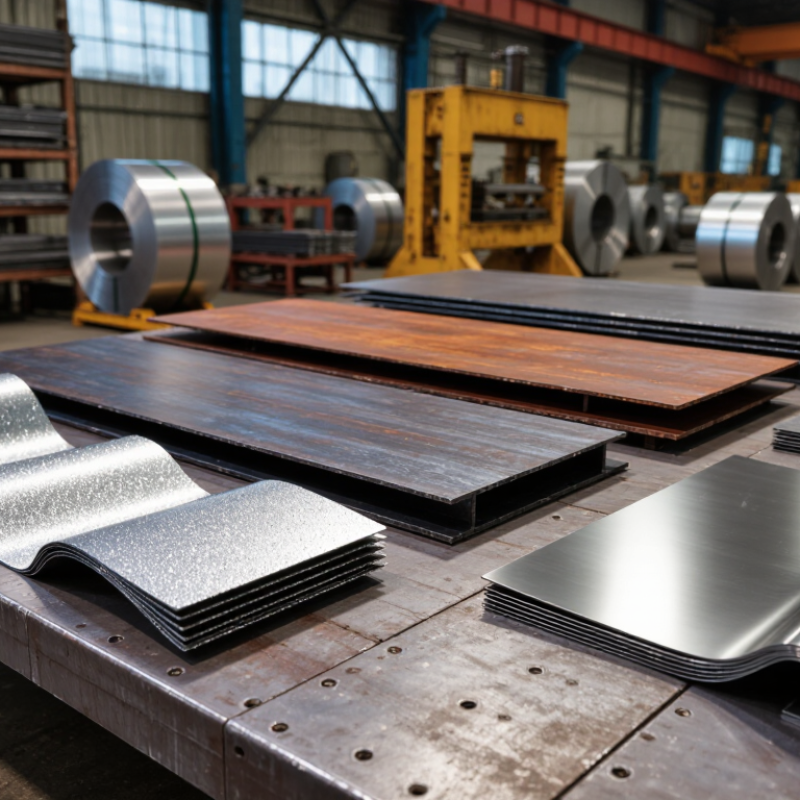
What Iron Sheet Is and How It Differs from Steel Sheet
When global buyers ask for iron sheets, they may not be buying pure iron. In commercial trade, “iron sheet” often describes low-carbon steel sheet, galvanized roofing sheet, or a traditional market term. Pure iron is soft, costly, and rarely selected for general construction. Steel sheet is an alloy of iron and carbon, sometimes containing small amounts of manganese or other elements. This structure gives steel better strength, formability, and durability.
The difference matters during purchasing. Iron sheet may sound simple, but its grade, thickness, coating, and surface finish determine performance. A 0.5 mm galvanized sheet can resist outdoor moisture better than an uncoated thicker sheet. However, coating quality may vary between suppliers. A magnet will not confirm the material grade. Buyers should request mill certificates, chemical composition, dimensional tolerances, and coating weight. Standards also differ by country, so a familiar trade name may create confusion.
Tips:
Ask whether “iron” means pure iron, mild steel, or galvanized steel. Check the measured thickness, not only the stated size. Inspect edges for rust, uneven coating, or excessive waviness. For roofing, consider wind, humidity, and drainage conditions. For bending or stamping, confirm elongation and yield strength. A common mistake is choosing by weight alone. It feels practical, but it can hide poor coating or inaccurate dimensions. Rechecking the specification before shipment is slower, yet often cheaper than correcting a failed installation.
Key Iron Sheet Types Available to Global Buyers in 2026
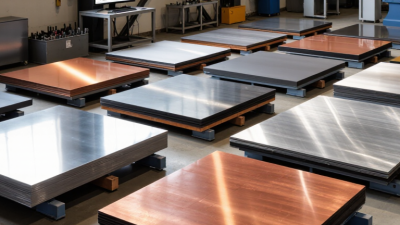
In 2026, global buyers can choose from several practical iron sheet types. In international trade, “iron sheet” usually means carbon steel sheet. Hot-rolled sheet suits structural frames, brackets, tanks, and heavy fabrication. Its rougher surface accepts cutting and welding well. Cold-rolled sheet offers tighter thickness control and a smoother finish. It works for cabinets, panels, automotive parts, and precision components.
Galvanized sheet adds a zinc coating for improved resistance against rain and humid air. It is useful for roofing, ductwork, fencing, and outdoor enclosures. Electro-galvanized sheet has a thinner, more uniform coating and supports painting or forming. Pre-painted galvanized sheet provides ready-made color, but scratches may expose the base metal. That detail is easy to underestimate. Buyers should match coating mass with the actual climate, not only the purchase price.
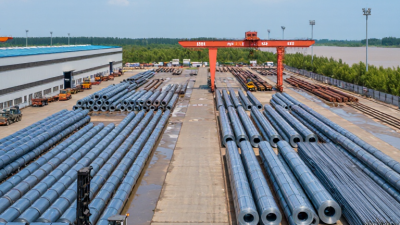
Reliable purchasing requires more than comparing thickness and length. Check the material grade, yield strength, tensile strength, coating weight, surface condition, and permitted tolerances. Ask for mill test certificates and confirm the testing method. Independent inspection can verify dimensions, packaging, and visible defects before shipment. In humid routes, waterproof wrapping and edge protection matter greatly. I have seen low-cost sheets arrive with corner damage after poor stacking. No sheet type is perfect. The best choice depends on forming needs, exposure, fabrication equipment, local standards, and the buyer’s tolerance for maintenance.
How to Match Iron Sheet Types with Industrial Applications
Choosing the right iron sheet starts with the application, not the lowest quotation.
In practice, “iron sheet” usually means carbon steel sheet. Hot-rolled sheet suits beams, frames, brackets, and welded structures because it tolerates forming and surface scale. Cold-rolled sheet offers tighter thickness control and a smoother surface for cabinets, panels, and precision parts.
Galvanized sheet is safer for roofing, ducts, and outdoor enclosures where moisture is persistent. Its zinc coating slows corrosion, but cut edges still need protection.
The World Steel Association reported approximately 1,885 million tonnes of crude steel production in 2024, confirming the market’s scale and material diversity. However, volume does not guarantee suitability. Buyers should compare thickness, yield strength, coating mass, flatness, and tolerances against the drawing. For humid or coastal service, salt-spray testing and drainage design matter more than a bright surface. International standards such as ISO 3575 and ASTM A653 can help verify galvanized sheet grades, coating classes, and mechanical properties. One overlooked issue is forming. A strong sheet may crack around tight bends.
Tips:
Request a mill test certificate, coating measurement, and dimensional inspection report. Check samples after bending, welding, and painting. Keep the test conditions realistic. Laboratory results can mislead. Also confirm whether “galvanized” means continuous coating or only a post-fabrication treatment. That distinction can affect durability, appearance, and maintenance costs.
Essential Standards, Grades, Sizes, and Surface Treatments
2026 Best Iron Sheet Types for Global Buyers?
Buying iron sheet globally requires more than comparing price per tonne. The right choice depends on grade, thickness, corrosion exposure, forming needs, and local standards. Carbon steel sheets suit structural frames and general fabrication. Galvanized sheets perform better in humid environments because zinc slows corrosion. Stainless sheets cost more, but they can support demanding hygienic or marine applications.
Check the applicable standard before accepting a quotation. Common references include ASTM, EN, and ISO specifications. A structural grade should show yield strength, tensile strength, elongation, and chemical limits. Request the mill test certificate, heat number, and inspection report. A certificate helps, but it is not proof of every delivered bundle. Independent testing may be sensible for critical projects.
Dimensions need equal attention. Typical products range from thin coils to heavy plates, with widths around 1,000–2,000 millimeters. Confirm thickness tolerance, flatness, cut length, edge condition, and packing method. Surface treatment changes performance. Hot-dip galvanizing offers a measurable zinc coating mass, while painting adds color and extra barrier protection. Pickling and oiling can reduce temporary rust, but they do not replace long-term coating. Store sheets on dry supports, not directly on concrete. Small details matter. I still see buyers specify coating type without defining coating weight, which creates avoidable disputes.
2026 Best Iron Sheet Types for Global Buyers
Essential standards, grades, sizes, and surface treatments for comparing commonly purchased flat steel products.
Standards & Grades
DC01 is commonly specified under EN 10130, S235JR under EN 10025, DX51D under EN 10346, and S355J2W under EN 10025-5.
Common Sizes
Frequently traded sheet widths include 1,000, 1,250, and 1,500 mm. Common cut lengths include 2,000, 2,500, and 3,000 mm, subject to mill capability.
Surface Treatments
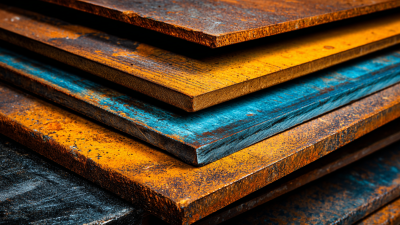
Options include oiled or pickled-and-oiled surfaces, hot-dip zinc coating, metallic plus organic coating, and weathering-steel oxide patina.
Chart values show common purchasing thickness ranges in millimetres, not absolute limits of the referenced standards. Final availability depends on the applicable standard, grade, width, length, tolerance, coating mass, and producing mill.