2026 Top Checker Plate Types for Global Buyers Insights?
In the realm of industrial materials, Checker Plate stands out for its versatility and durability. This type of metal sheet features a raised pattern, which enhances grip and safety in various applications. Global buyers must understand the evolving landscape of Checker Plate types to make informed purchases.
As industries adapt, different Checker Plate types gain prominence. Factors influencing these trends include material composition, thickness, and surface finish. Buyers may face challenges in selecting the right kind, especially with numerous suppliers on the market. Investigating local and international standards can also prove cumbersome.
It's vital to recognize the importance of quality standards throughout the supply chain. Reliable suppliers prioritize rigorous testing and certifications. However, not all vendors maintain these high standards. This inconsistency can lead to subpar products entering the market, leaving buyers vulnerable to risks. As the Checker Plate industry evolves, so must buyer awareness and scrutiny.
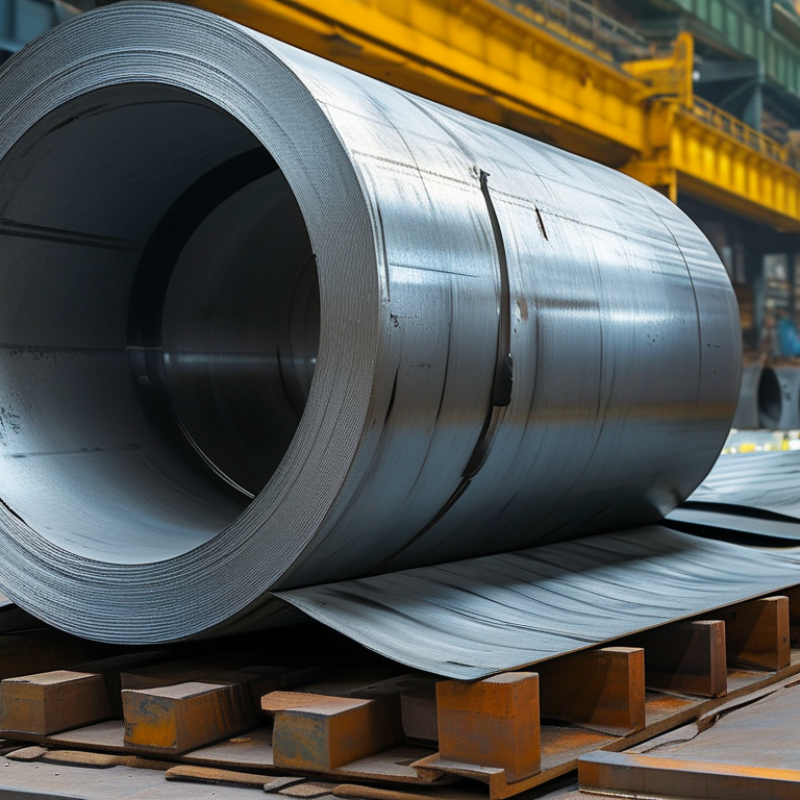
Overview of Checker Plate Types Available for Global Markets
Checker plates, often referred to as tread plates, come in several types suitable for diverse global markets. Understanding these types can enhance your purchasing decisions. The most common categories include aluminum, steel, and stainless steel checker plates. Each has unique advantages and applications.
Aluminum checker plates are lightweight and resistant to corrosion. They are ideal for use in transport and construction industries. On the other hand, steel options offer higher strength and durability, making them a preferred choice in heavy-duty applications. Lastly, stainless steel checker plates provide excellent aesthetic appeal along with resistance to rust, suitable for environments requiring hygiene and branded appearance.
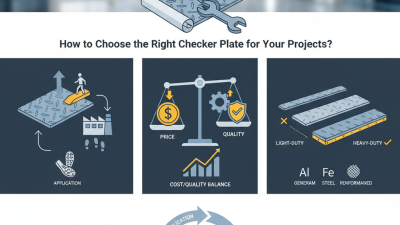
**Tips:** When selecting a checker plate type, consider the environment it will be used in. Ask questions about the load requirements and any potential exposure to chemicals. Always request samples to gauge your options. Think about how the checker plate will enhance safety and functionality. Balancing cost with the right material choice is often a tricky decision. Reflect on your long-term needs to avoid frequent replacements.
Key Characteristics of Various Checker Plate Materials
Checker plates, also known as diamond plates, come in various materials, each offering unique characteristics. Aluminum checker plates are lightweight yet durable. They resist corrosion effectively, making them ideal for outdoor use. Their reflective surface can enhance visibility in dimly lit areas.
Steel checker plates are heavier, providing excellent strength. They are often used in the construction and manufacturing sectors. However, they can rust if not adequately coated or maintained. It's crucial to consider protection methods when using steel for long-term applications.
Plastic checker plates, while not as strong as metal options, offer a flexible alternative. They are resistant to chemicals and can be easily molded into various shapes. Their lightweight nature makes them highly portable. However, their longevity may vary based on exposure to UV light and other environmental factors. Understanding these material properties is essential for making an informed choice.
Comparative Analysis of Checker Plate Durability and Performance
When looking at checker plates, durability and performance are key factors for buyers. Various materials, such as aluminum and steel, showcase distinct strengths. Aluminum checker plates are lightweight, offering good corrosion resistance. They are ideal for applications where reducing overall weight is crucial. However, their strength may not match that of steel counterparts.
Steel checker plates, on the other hand, provide exceptional durability. They are better suited for heavy-duty applications where impact and wear are frequent. The trade-off often lies in their weight, making transportation and installation challenging.
Tips: Choose materials based on specific needs. Evaluate environment and load requirements. Though aluminum is lightweight, steel shines in robustness. Reflect on the performance each material brings in different conditions. Incomplete data can lead to poor decisions. An informed choice requires thorough research and consideration of all aspects involved.
2026 Checker Plate Types: Durability and Performance Comparison
Market Trends in Checker Plate Usage Across Different Industries
Checker plates, also known as tread plates, are widely used across various industries. Their unique design provides excellent grip, making them ideal for flooring and industrial applications. In construction, checker plates enhance safety on scaffolding and work platforms. The trend for anti-slip surfaces is growing, driven by the focus on workplace safety.
In the automotive sector, checker plates are gaining popularity for toolboxes and truck beds. They offer durability and weight savings, appealing to manufacturers and consumers alike. However, a challenge persists: selecting the right thickness and alloy for specific applications remains critical. Overly thick plates can add unnecessary weight, while too thin may compromise safety.
In the aerospace industry, the demand for lightweight materials influences checker plate design. Customers seek options that balance strength and weight. While these plates are typically less common in aerospace, innovation is paving the way for their potential applications. It emphasizes the need for ongoing research to optimize performance without compromising safety standards.
Considerations for Selecting Checker Plates Based on Application Needs
When selecting checker plates, application needs should drive your choices. Different environments require different types of checker plates. For instance, in heavy-duty applications, thicker plates with increased durability are essential. They withstand more wear and tear compared to lighter options. Consider where the plates will be installed. Indoor settings may demand less ruggedness, while outdoor environments need rust-resistant materials.
Tips: Always assess the weight-bearing capacity before making a purchase. Match the plate to the load it will support, ensuring safety and longevity.
The non-slip surface of checker plates can vary. Some have shallow patterns; others feature deeper indentations. Understanding your specific usage scenario informs which pattern is best. A deeper pattern may be necessary in slippery conditions, while a flat surface might suffice on dry floors. Experimenting with different textures can lead to better choices.
Tips: Consult with industry experts to gather insights on material performance in real-world applications. Their experience helps refine your decision-making process.