What Are the Benefits of Using Steel Sheet Piles?
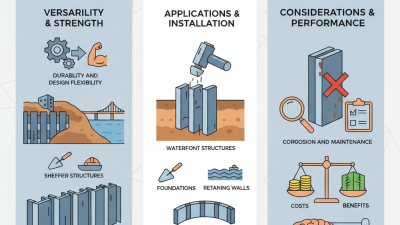
When discussing the many advantages of using Steel Sheet Piles, industry expert John Harris states, "Steel Sheet Piles offer unmatched durability and flexibility in construction projects." These versatile components play a crucial role in various applications, including waterfront, foundation, and retaining wall installations. Their ability to withstand harsh environmental conditions makes them ideal for projects exposed to water, soil, and structural pressures.
The design of Steel Sheet Piles allows for easy installation and removal. They can be driven into the ground with minimal disruption, making them a practical choice for urban settings. However, it is essential to consider potential limitations. The initial cost may be higher than other materials. Yet, the long-term savings from reduced maintenance often outweigh these upfront expenses. Users must evaluate whether the benefits justify the investment in specific scenarios.
In summary, the emergence of Steel Sheet Piles has transformed the construction landscape. While not without challenges, their advantages in strength, longevity, and adaptability make them a preferred choice. Understanding both their strengths and drawbacks allows for better decision-making in engineering projects.
Benefits of Steel Sheet Piles in Construction Projects
Steel sheet piles offer numerous advantages in construction projects,
making them a popular choice among engineers and contractors. These piles provide
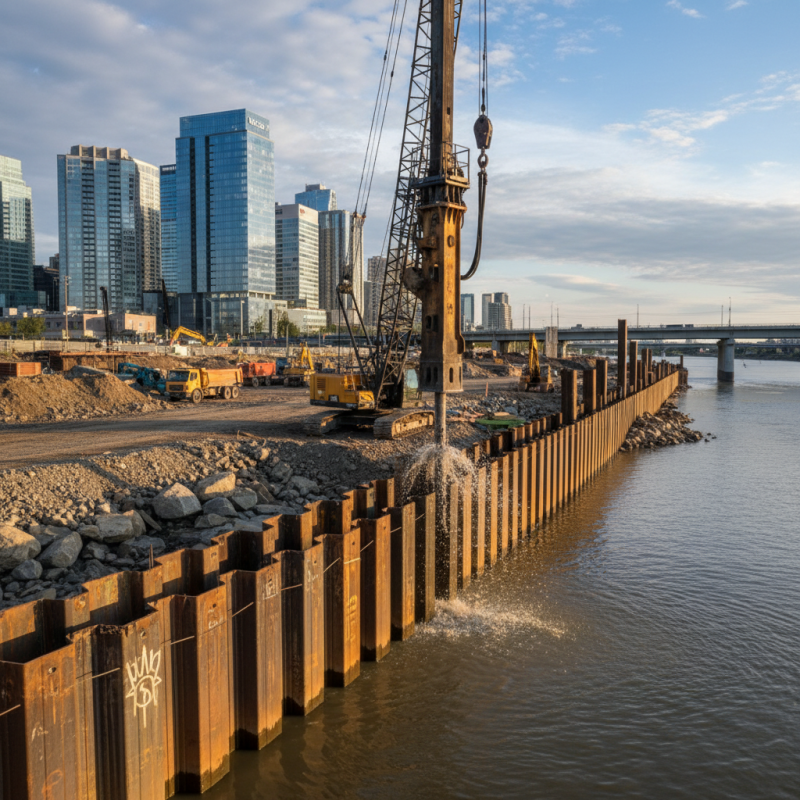
exceptional lateral support for structures. Their ability to resist water infiltration
is crucial in waterfront construction. Precise interlocking designs enable easy installation,
even in challenging soil conditions. This adaptability reduces construction time and costs.
Another key benefit is their durability. Steel sheet piles are resistant to corrosion
and can withstand harsh environmental conditions. This longevity means fewer replacements
over time. However, site-specific factors play a role in their effectiveness. Engineers
must assess soil types and environmental impacts before selection. In certain scenarios,
alternatives might be more suitable.
Lastly, the versatility of steel sheet piles is noteworthy.
They can be used for retaining walls, cofferdams, and flood protection structures.
Each application requires careful consideration of design and depth. While steel piles
are effective, challenges such as vibration during driving can occur. These aspects
merit thoughtful reflection during project planning.
Balancing benefits and potential drawbacks
is key to successful implementation.
Comparing Steel Sheet Piles to Other Foundation Materials
When comparing steel sheet piles to other foundation materials, several key benefits emerge. Steel sheet piles offer versatility in various soil conditions. They are effective in both cohesive and granular soils, making them suitable for diverse projects. This adaptability is crucial for engineers facing unpredictable site conditions. In contrast, materials like concrete may not perform as well in challenging environments.
Additionally, steel sheet piles provide a high strength-to-weight ratio. This means they require less material to achieve the same structural integrity. This can lead to reduced costs and faster installation times. Other materials, such as timber or concrete, can be bulkier and may not offer the same efficiency. This efficiency can be vital in projects with tight deadlines or limited budgets.
Tip: Always consider the site’s specific conditions when choosing foundation materials. Understanding soil types can drive better decisions. Additionally, consult with experienced engineers. Their insights can help you avoid common pitfalls. Reflect on past projects to underline the importance of proper material selection. The choice of foundation can significantly influence the project's overall success.
Environmental Advantages of Using Steel Sheet Piles
Steel sheet piles offer significant environmental advantages in construction projects. They are primarily made from recycled materials, reducing the need for new raw inputs. According to the U.S. Environmental Protection Agency, using recycled steel can save up to 74% of energy compared to producing new steel. This contributes to lower greenhouse gas emissions, aligning with global sustainability goals.
Moreover, steel sheet piles exhibit superior durability and longevity. They can be reused multiple times, unlike traditional materials that often end up in landfills. A study by the International Association of Foundation Drilling highlights that reusing steel sheet piles can reduce waste by 30-50%. This practice not only supports circular economy principles but also minimizes the environmental footprint of construction activities.
Furthermore, the use of steel sheet piles can facilitate better water management. They create effective barriers against soil erosion and flooding. A report from the Technical University of Munich indicates that these structures can reduce soil erosion rates by up to 40%. This ensures better protection for surrounding ecosystems and helps maintain the integrity of local habitats.
Cost-Effectiveness of Steel Sheet Piles in Long-Term Use
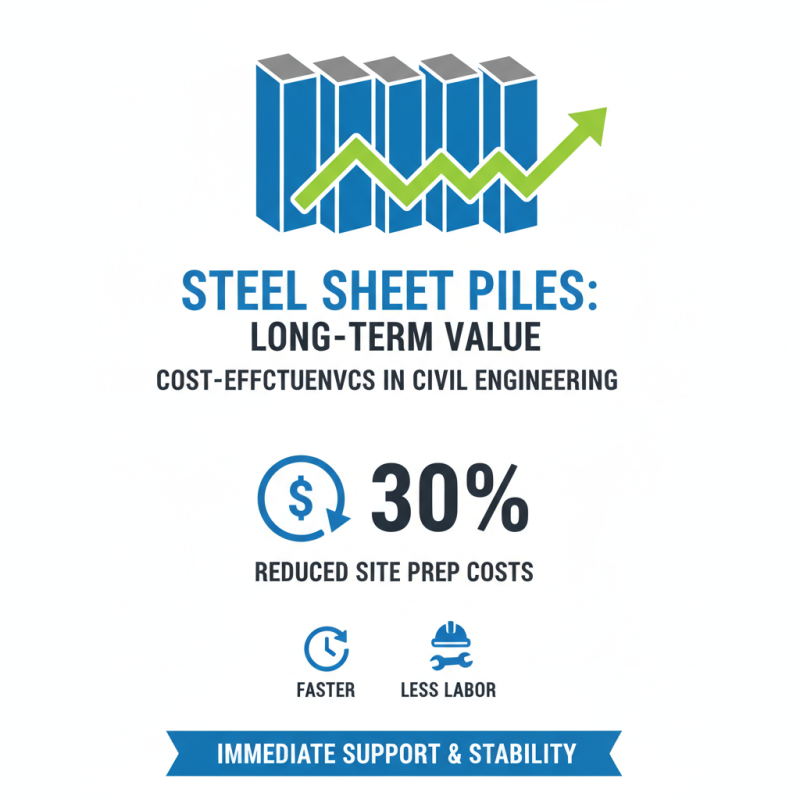
Steel sheet piles have become a popular choice in civil engineering for various reasons. One critical aspect is their cost-effectiveness over the long term. According to a recent industry report, the use of steel sheet piles can reduce site preparation costs by up to 30%. This is largely due to their ability to provide immediate support and stability, which decreases the time and labor required for construction projects.
In terms of lifecycle costs, steel sheet piles exhibit exceptional durability. A study by the American Society of Civil Engineers shows that these structures can last over 50 years with minimal maintenance. Regular inspections and timely repairs are still necessary, though. They provide a cost-effective solution when considering long-term investment. Projects that utilize them often experience fewer failures and repairs, which can lead to significant savings.
Tips: Regularly review maintenance schedules. An efficient plan helps extend the lifespan. Consider environmental impacts, as steel is recyclable and reduces waste. Always perform thorough evaluations of your site conditions before choosing materials.
Applications of Steel Sheet Piles in Various Industries
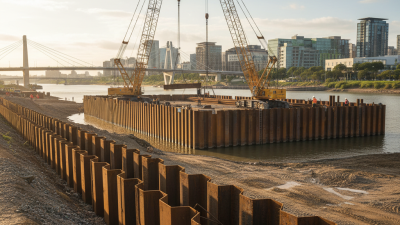
Steel sheet piles are widely used in various industries due to their strength and versatility. They are essential in construction, transportation, and environmental projects. In marine environments, these piles provide critical support for retaining walls and docks. Their durability resists corrosion, making them suitable for underwater applications. Engineers rely on them for effective soil retention, especially in challenging terrains.
In the energy sector, steel sheet piles play a vital role in creating barriers for oil spills and other environmental hazards. They are integral to building foundations for wind power installations, ensuring stability in adverse weather conditions. These piles also serve in the mining industry by supporting excavations and reducing soil erosion. In urban development, they help establish effective flood protection systems around rivers and coastlines.
However, using steel sheet piles is not without challenges. Installation can be complex, requiring specialized equipment. Their initial costs may be higher compared to alternative methods. Yet, the long-term benefits often outweigh these drawbacks, reflecting the importance of careful planning and design. Continuous research is necessary to improve their efficiency and application in emerging markets.