Why Choose Steel Tubes for Your Next Project?
Choosing the right materials is crucial for any construction project. Steel tube stands out as a reliable option. This versatile material offers numerous benefits, making it popular in various industries.
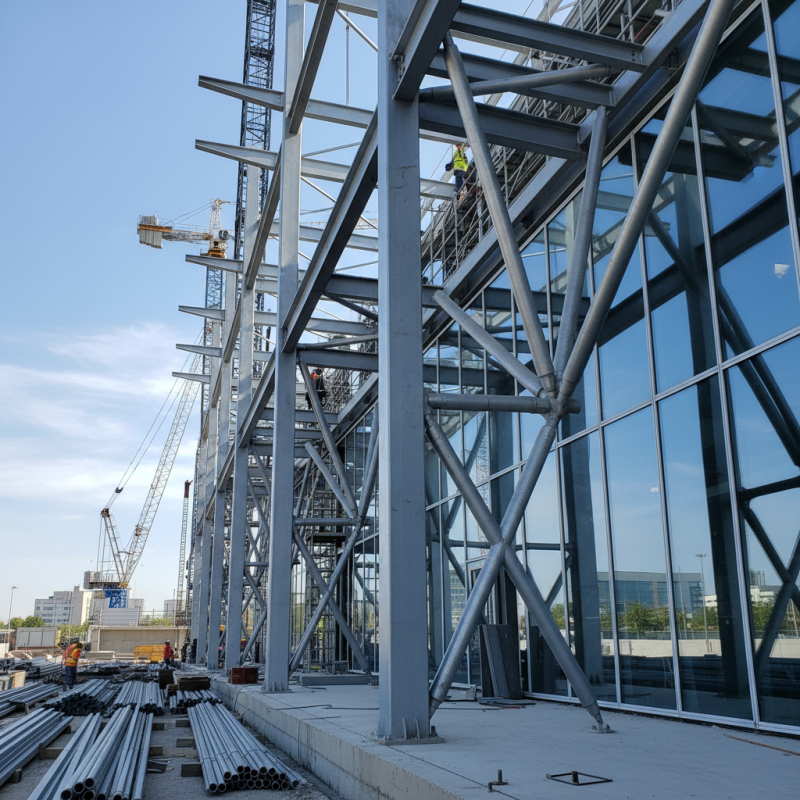
Steel tubes are strong yet lightweight, ideal for structural applications. They have high durability and can withstand extreme pressures and temperatures. Their corrosion resistance further enhances longevity, which reduces the need for frequent replacements.
While considering steel tubes, project managers must also think about cost-effectiveness. Some may worry about initial expenses. However, the long-term gains often outweigh these concerns. A project using steel tubes may require less maintenance and last longer than alternatives. This reflects the importance of choosing the right materials for sustainable development.
Advantages of Steel Tubes in Construction and Engineering Projects
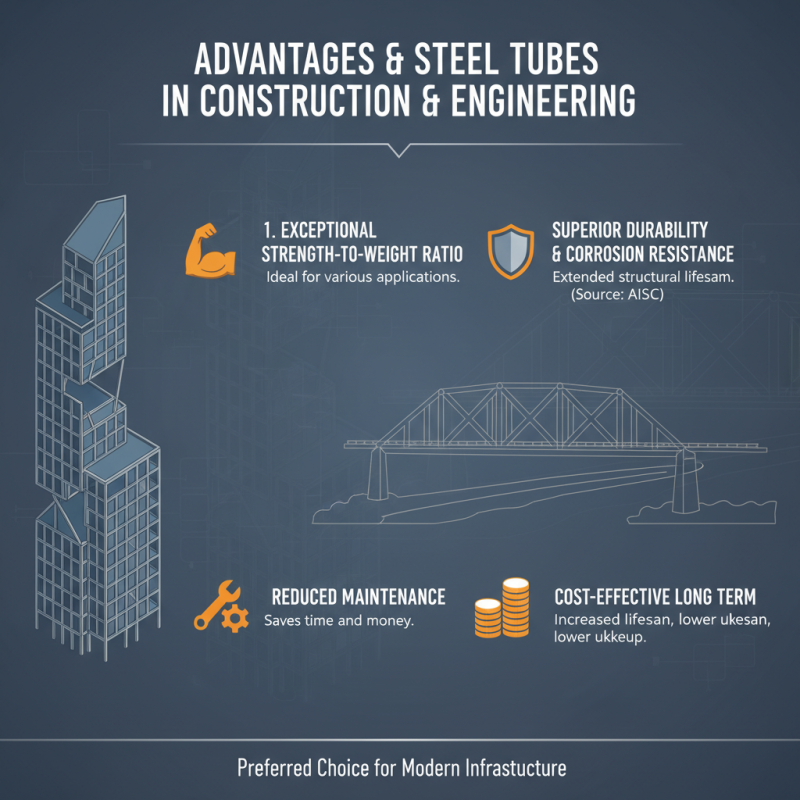
Steel tubes are increasingly recognized as a preferred choice in construction and engineering projects. Their strength-to-weight ratio is exceptional, making them ideal for a variety of applications. According to the American Institute of Steel Construction (AISC), steel’s durability and resistance to corrosion significantly extend the lifespan of structures. In fact, structures using steel tubes require less maintenance, saving both time and money over the long term.
However, it's essential to consider the project requirements carefully. Not all projects will benefit equally from steel tubes. The initial cost can be higher compared to other materials, which may not be justified for smaller projects. Conducting a thorough cost-benefit analysis is crucial. Look at long-term benefits, as steel can reduce future expenses.
Tip: Always factor in local environmental conditions when choosing materials. Steel performs exceptionally well under various weather conditions, but understanding your environment is key.
Additionally, steel tubes offer design flexibility. Engineers and architects can create complex shapes that meet both aesthetic and functional needs. Yet, welding and joining steel tubes can be challenging. Make sure you have skilled labor for these tasks.
Tip: Invest in training for your team to enhance their skills with steel constructions. This can improve quality and reduce mistakes during installation.
Cost-Effectiveness of Using Steel Tubes in Various Applications
When considering materials for your next project, steel tubes stand out for their cost-effectiveness. They are widely used in construction, automotive, and manufacturing. Their tensile strength reduces the need for thicker walls, ultimately saving you money. This efficiency makes them ideal for both structural and decorative purposes.
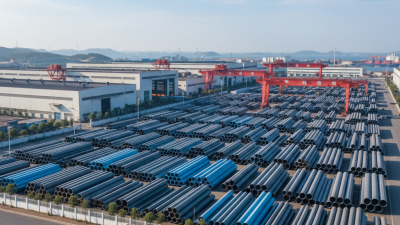
For those looking to optimize their budgets, here are some tips. Evaluate the project’s requirements closely. Analyze how different diameters and wall thicknesses impact costs. You might find that a slight adjustment can lead to significant savings. Additionally, consider bulk purchasing. This often results in lower costs per unit, especially for larger projects.
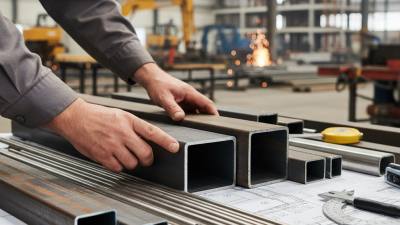
It's essential to remember that using steel tubes might require special tools for cutting and welding. If you're new to this material, be prepared for a learning curve. Don't hesitate to reach out to professionals for advice. Their experience can help you avoid costly mistakes and ensure proper installation. Balancing cost with quality is key to a successful project.
Durability and Longevity: Why Steel Tubes Outperform Other Materials
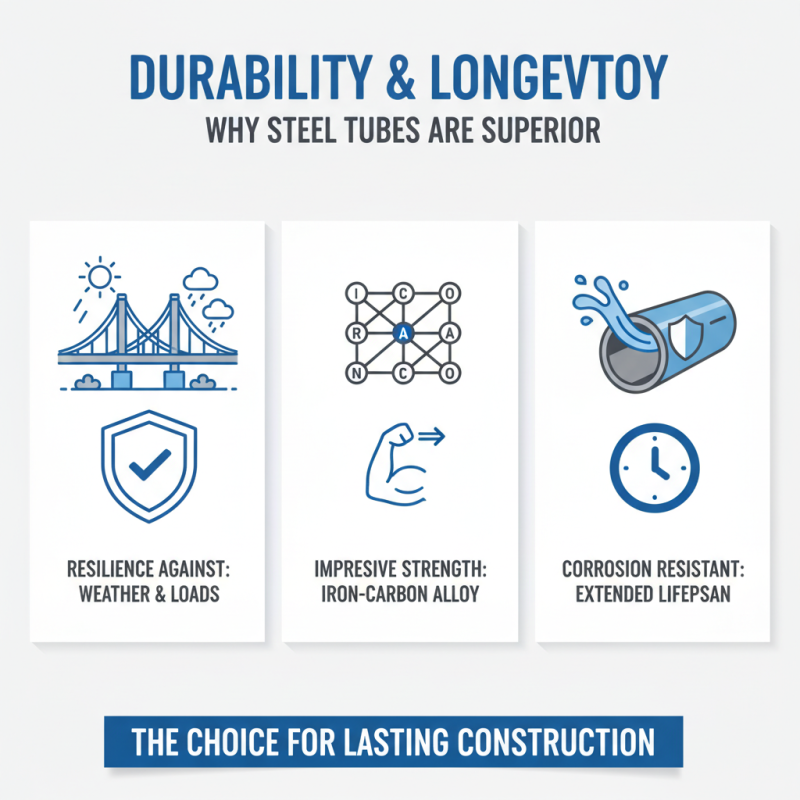
When considering materials for construction projects, steel tubes stand out for their durability and longevity. Steel, an alloy of iron and carbon, has impressive strength. This makes it an ideal choice for structures that require resilience. A steel tube can withstand harsh weather conditions and heavy loads without significant wear. Its ability to resist corrosion enhances its life span.
Other materials may falter under stress. For instance, wood can warp or rot over time. Plastic may crack when exposed to UV rays. In contrast, steel tubes maintain their integrity. During heavy rainfall or extreme temperatures, their performance remains reliable. Additionally, steel has a lower thermal expansion rate compared to other materials. This quality helps prevent deformation and structural issues.
It’s crucial to note that while steel tubes are robust, their environment matters too. Rust can develop in humid areas without proper treatment. Maintenance is essential for ensuring steel tubes perform optimally over time. Real-world applications show a mix of successes and challenges, emphasizing the importance of informed decisions. Engineers and builders must assess project needs carefully. Balancing durability, cost, and sustainability is vital in material selection.
Design Flexibility: How Steel Tubes Can Enhance Structural Aesthetics
Steel tubes offer remarkable design flexibility, making them vital in modern architecture. Their ability to bend and adapt to various forms enhances structural aesthetics significantly. According to the American Institute of Steel Construction, buildings utilizing steel structures can save up to 60% in materials compared to traditional methods. This allows architects to explore innovative designs without compromising on safety or integrity.
The slender profile of steel tubes is particularly appealing for urban environments. They enable the creation of more open spaces with fewer supporting elements, which can lead to stunning visual effects. A report by the World Steel Association notes that over 50% of structural steel is reused or recycled, promoting sustainability in design practices. However, some designers struggle to fully capitalize on this versatility.
Understanding the limitations of steel is essential. It requires careful consideration in areas with extreme weather conditions. Engineers must balance aesthetic desires with practical concerns. The choice of finishes and coatings also impacts the visual outcome, influencing how light interacts with the structure. Embracing steel tubes can yield revolutionary designs, but it necessitates a careful, informed approach.
Environmental Impact: The Sustainability of Steel Tube Usage
Steel tubes are increasingly chosen for construction and manufacturing projects due to their sustainability. The life cycle of steel shows minimal environmental impact when handled properly. According to the World Steel Association, steel recycling reduces energy consumption by up to 75%. This significant reduction not only conserves resources but also lowers carbon emissions.
Using steel tubes can lead to less waste in landfills. The durability of steel ensures a long lifespan. However, it takes energy to produce new steel, and this process can be carbon-intensive. It’s crucial to balance the benefits of recycled steel versus newly produced materials. This reflection is vital as industries strive for greener practices.
Furthermore, steel is biodegradable in the long term. Unlike plastic, which persists for centuries, steel can break down naturally under certain conditions. Yet, the mining of iron ore still poses environmental challenges. Sustainable sourcing and improved production methods are essential to mitigate these impacts. Investing in eco-friendly technologies will enhance the sustainability of steel tube usage.