How to Choose the Best Iron Sheet for Your Projects?
Selecting the right iron sheet for your projects is crucial. The type of iron sheet you choose can impact both functionality and aesthetics. Various factors come into play. These include thickness, finish, and corrosion resistance. Each project demands specific characteristics from the iron sheet.
Many may overlook the importance of quality. A cheap iron sheet may seem appealing, but it can lead to long-term issues. For instance, thinner sheets might bend easily or show rust. On the other hand, high-quality iron sheets often cost more upfront but save money in repairs later.
Understanding your project needs is vital. Are you constructing a roof or creating art? Each application might require a different type of iron sheet. By considering these elements, you can make informed decisions and ensure durability. Thus, investing time in research is essential for achieving successful outcomes.
Understanding Different Types of Iron Sheets Available in the Market
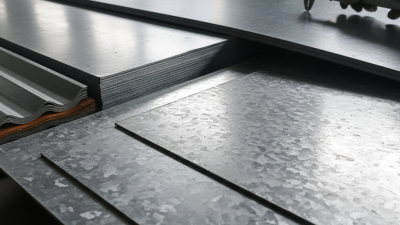
When choosing the right iron sheet, understanding the different types available is crucial. There are several varieties on the market, each with distinct features. Galvanized iron sheets, for instance, are widely appreciated. They undergo a zinc coating process, making them resistant to rust. According to the Metal Construction Association, around 58% of construction professionals prefer galvanized sheets for roofing due to their longevity.
Another option is pre-painted iron sheets. These sheets come with a factory-applied paint finish. This provides aesthetics and protection against corrosion. A recent industry report from Grand View Research indicates the pre-painted segment is expected to grow by 5.3% annually. This is driven by rising demand in residential construction.
However, choosing the right type goes beyond just the material. Thickness matters too; lighter sheets are easier to work with but might lack durability. Conversely, heavier sheets provide strength but can be cumbersome. Not all projects need heavy-duty materials. Reflect on your specific requirements to avoid overspending on unnecessary features.
Evaluating Thickness and Weight for Your Specific Project Needs
When selecting iron sheets for your projects, thickness and weight are critical factors. The right thickness impacts durability, strength, and flexibility. According to a 2021 industry report, sheets with a thickness of 1.5 mm to 3 mm are ideal for construction applications. This range provides a robust structure while remaining manageable during installation. Heavier sheets tend to resist weathering and corrosion, extending the lifespan of your project.
Weight also plays a key role in transport and handling. A heavier sheet might offer better stability, but it can complicate installation. For example, a standard 3 mm sheet weighs approximately 7.85 kg per square meter. This weight can hinder operations on-site. Crafting a balance between thickness, weight, and application requirements is vital. Some reports suggest that projects using medium-weight sheets can enhance ease of handling without sacrificing strength.
Reflecting on your specific needs is essential. Consider the environment your iron sheets will face. Will they endure extreme temperatures or corrosive conditions? Assessing these factors helps determine whether to choose thicker, heavier sheets or a lighter option. Failing to do so can lead to structural failures or increased costs over time. Thoughtful evaluation ensures that your choice of iron sheet complements your project efficiently.
Assessing Corrosion Resistance and Coating Options for Longevity
When selecting iron sheets, assessing corrosion resistance is crucial. Corrosion can significantly shorten the lifespan of metal projects. According to a recent study by the American Galvanizers Association, hot-dip galvanized coatings can extend the lifespan of steel products by 50 years. However, choosing the right coating involves more than just considering longevity.
Coating options vary widely. For instance, powder coatings can offer excellent chemical resistance but may lack durability against UV radiation. In contrast, zinc coatings provide reliable protection against rust but require environmental considerations, especially in coastal areas. A study from the National Association of Corrosion Engineers highlights that nearly 50% of all corrosion is due to environmental factors, underscoring the need for tailored solutions based on project location.
While these statistics are helpful, it’s vital to consider the specific requirements of your project. Not all coatings suit every application. Understanding the balance between cost and performance is essential. Experts suggest conducting thorough testing and evaluations to determine the best approach. Each project can present unique challenges, and reflection on past experiences can guide better decisions for future undertakings.
Cost Considerations and Budgeting for Your Iron Sheet Purchase
When budgeting for iron sheets, several factors come into play. The average cost of iron sheets varies significantly based on the type and thickness. Reports indicate prices can range from $0.50 to $2.00 per square foot, depending on local markets. Such fluctuations often reflect material quality, size, and current demand trends.
While it’s tempting to opt for the cheapest option, consider the long-term implications. A thinner sheet may save money upfront but can lead to higher costs in repairs and replacements due to rust or damage. Compliance and warranty options also impact budgeting. Less expensive choices might not include warranties, leaving buyers vulnerable.
Remember to include freight costs in your total budget. Transport can add 10-20% to your overall expenses, especially for bulk purchases. Additionally, safety regulations might necessitate specific material types or thicknesses, potentially increasing costs. It’s wise to assess all these factors carefully and consult professionals if unsure. Balancing quality and cost is essential for a successful project.
Cost Comparison of Different Iron Sheets
Choosing the Right Supplier for Quality and Reliability in Iron Sheets
Choosing the right supplier for iron sheets is crucial to your project’s success. A reliable supplier ensures quality materials and timely delivery. Look for suppliers with a solid reputation. Check their history and customer feedback. Quality control processes should be a priority. Inferior materials can lead to structural issues. Don't overlook this factor when selecting your supplier.
Consider the supplier’s ability to meet your specific needs. Do they provide various grades and thicknesses of iron sheets? Ask about their sourcing methods. Sustainable practices are increasingly important. Suppliers who prioritize eco-friendly sourcing can add value to your project. However, assessing their reliability is important. Some may claim to be eco-conscious without evidence.
Engage with potential suppliers and ask questions about their products. Observe their responsiveness and expertise. A knowledgeable supplier can offer valuable insights. This indicates they take their business seriously. Ultimately, your choice impacts not just your budget but the longevity of your project. Reflect on your priorities and the supplier’s alignment with them.