Essential Tips for Sourcing Metal Bars Effectively?
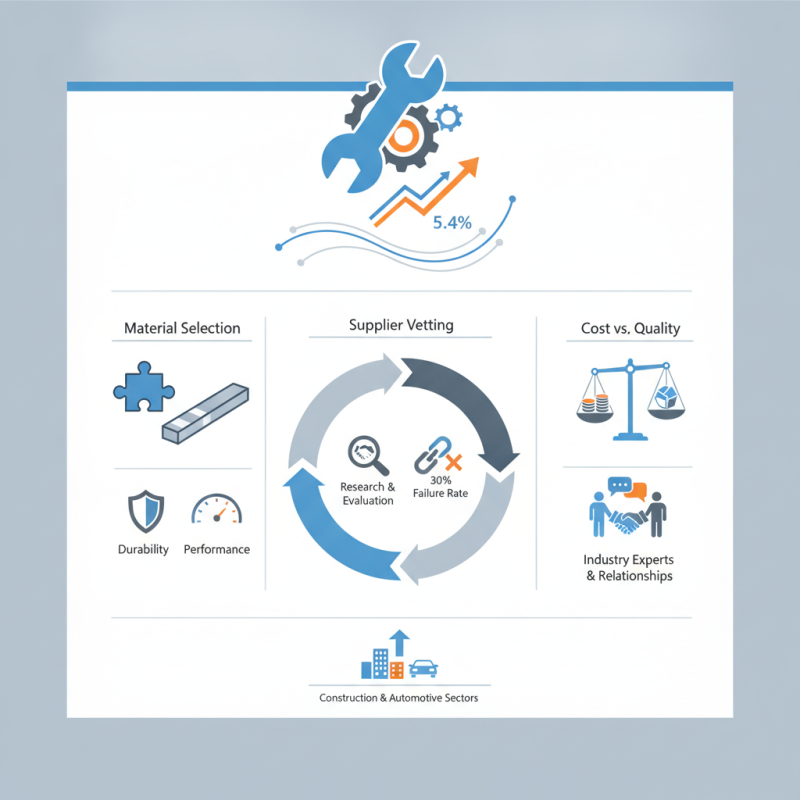
Sourcing Metal Bars effectively can significantly impact manufacturing processes. According to a recent report by the Global Metal Bar Market Research, the industry has seen a steady growth rate of 5.4% annually. This trend suggests an increasing demand for metal bars across various sectors, including construction and automotive.
Understanding the intricacies of material selection is crucial. High-quality metal bars are essential for ensuring product durability and performance. However, many businesses struggle with supplier reliability and material consistency. Reports indicate that 30% of sourcing failures stem from inadequate supplier vetting. This highlights the need for thorough research and evaluation of potential suppliers.
While cost is a vital factor, it should not overshadow quality. It’s often tempting to choose the cheapest option. Yet, this could lead to long-term costs due to inferior materials. Companies must balance price with material specifications. Engaging with industry experts can enhance this balance. Proper sourcing isn't just about making a purchase; it's about building relationships that foster trust and reliability in metal bar acquisition.
Understanding Different Types of Metal Bars for Sourcing
When sourcing metal bars, understanding different types is crucial. Metal bars vary widely. The primary categories include steel, aluminum, and copper. Each type has its unique properties. Steel is strong; it’s widely used in construction. Aluminum is lighter and resistant to corrosion. Copper is highly conductive, making it ideal for electrical applications.
Data from industry reports show that demand for aluminum bars is increasing. In 2022, the aluminum sector grew by 5% globally. This trend highlights the shift towards lighter materials in various industries. Steel bars still hold a significant market share, particularly in heavy industries. However, the versatility of aluminum is hard to ignore.
Choosing the right metal bar is not just about material. Consider factors like thickness and length. Different projects may require specific dimensions. Prices can fluctuate based on demand and production costs. Understanding these nuances can save time and money. Knowledge is key. It enhances your sourcing strategy and minimizes risks.
Evaluating Quality and Specifications of Metal Bars
When sourcing metal bars, evaluating quality and specifications is crucial. Start by assessing the material type. Common choices include aluminum, steel, and brass. Each has unique properties that influence durability and suitability. Consider the intended application. For structural uses, strength is vital. For decorative purposes, aesthetic qualities may take precedence.
Look closely at the dimensions and tolerances. Accurate measurements ensure compatibility in your projects. Check for certifications that guarantee compliance with industry standards. However, not all suppliers provide clear documentation. This can lead to uncertainties. It’s essential to ask for samples when possible. Physical samples can reveal imperfections that affect your decision.
Finally, transparency is key. Engaging in open communication with suppliers can help clarify discrepancies. Be cautious of vague specifications. It's important to understand what you are purchasing. If a supplier hesitates to provide details, it may raise red flags. Always trust your instincts, and don't rush into decisions. Quality sourcing requires diligence and a critical eye.
Essential Tips for Sourcing Metal Bars Effectively
This chart displays the evaluation metrics for different types of metal bars based on quality and specifications. The data illustrates the performance of various metal bars in terms of Yield Strength, Ductility, and Hardness.
Identifying Reliable Suppliers for Metal Bar Procurement
When sourcing metal bars, the reliability of suppliers plays a crucial role. Industry reports indicate that around 70% of procurement challenges stem from unreliable suppliers. To mitigate risks, it’s essential to identify and evaluate potential vendors thoroughly. This can involve checking their previous projects, client testimonials, and even financial stability. A study by the Metal Forming Institute noted that businesses that performed due diligence on suppliers saw a 30% decrease in procurement issues.
Effective communication is another cornerstone of establishing trustworthy supplier relationships. Suppliers should be open about their production capabilities and delivery timelines. Clarity on material specifications is vital. Small discrepancies can lead to significant problems down the line. According to a survey by Global Sources, about 40% of procurement managers reported delivery inconsistencies due to unclear communication.
Additionally, engaging with industry associations can provide insights into reputable suppliers. Participating in trade shows can further solidify connections. Networking can uncover suppliers with a proven track record. Yet, relying solely on peer recommendations may overlook emerging suppliers who could offer competitive advantages. Each supplier's approach can differ, reflecting the need for tailored assessment criteria.
Negotiating Prices and Terms in Metal Bar Sourcing
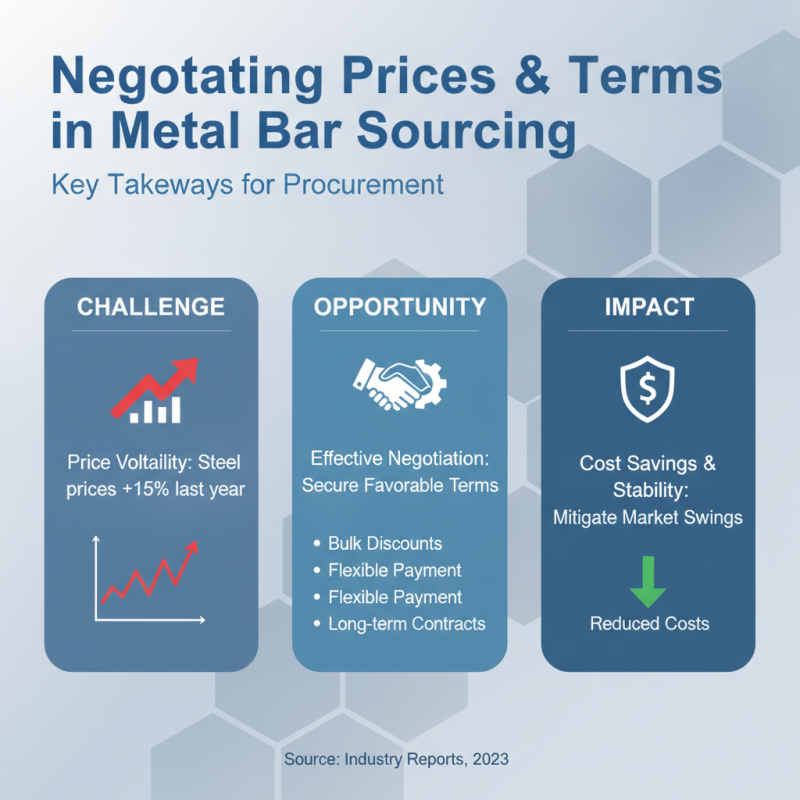
Negotiating prices and terms in metal bar sourcing can be a challenging but rewarding process. Recent industry reports indicate that the average price of metal bars has fluctuated significantly, affecting procurement strategies. For example, data shows that the price of steel bars increased by 15% over the past year. This volatility necessitates effective negotiation skills to secure favorable terms.
Consider the timing of your negotiations. Engaging suppliers during off-peak seasons can lead to better rates. Additionally, understand the market landscape by researching recent price trends. Knowledge is power in negotiations. Request multiple quotes to gauge a competitive price range. Developing a solid relationship with suppliers can also yield discounts and flexible terms. Trust and reliability often lead to better deals.
It's important to clarify payment terms upfront. Some suppliers may offer payment flexibility, while others require upfront payments. Be cautious and seek balance. Transparency can prevent misunderstandings later. Remember to reassess your supplier's performance regularly. Poor quality or service can lead to costly setbacks. Keep a record of pricing, quality, and communication for future references. This vigilance ensures you make informed decisions as market conditions change.