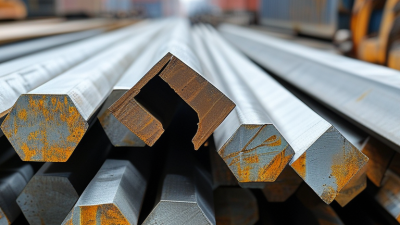
China Top Angle Bar Manufacturers and Suppliers
Angle Bar is a practical structural section used in frames, supports, racks, and construction projects. Its L-shaped profile can have equal or unequal legs, with dimensions and thickness selected for the intended load and connection. Small differences matter. A few millimeters can affect fit, weight, and fabrication time.
China has a broad network of steel producers, processors, and export suppliers, but a supplier’s catalogue alone cannot establish product quality. This overview introduces manufacturers and suppliers for buyers comparing product range, production capability, and service. It is not a universal ranking. Requirements vary by project, and supplier information can change.
When reviewing a potential source, confirm steel grade, leg dimensions, thickness, length, surface finish, and applicable tolerances. Request current test documents and sample specifications where appropriate. Ask how products are packed, marked, and checked before shipment. These details help reduce avoidable surprises at receiving and installation.
A factory may offer competitive pricing yet have limited capacity for custom sizes or urgent orders. Another supplier may provide stronger technical support but require a higher minimum quantity. That trade-off deserves attention. Compare written quotations against the same specification, and verify important claims directly with the supplier. Use this guide as a starting point, not a substitute for due diligence. The right Angle Bar partner is the one that can consistently meet your documented needs, communicate clearly, and support the order from inquiry through delivery.
What Angle Bars Are and How They Are Used
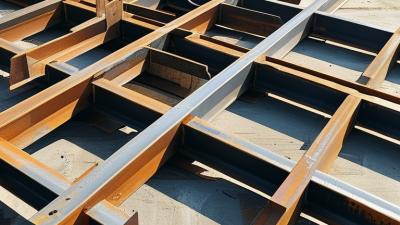
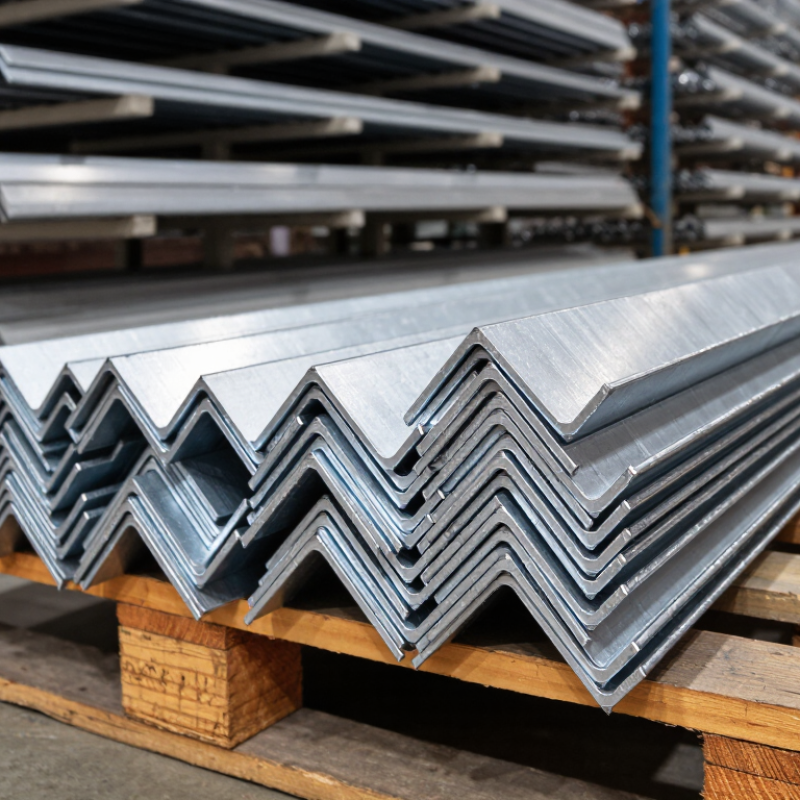
An angle bar is a metal section bent into an L shape, with two legs meeting at a right angle. The legs may be equal or different in width. This simple profile helps resist bending and gives builders a practical edge for joining parts. Steel angle bars are common, though other metals may suit lighter or more corrosion-sensitive settings. Check the grade and finish against the working environment.
You will find angle bars in building frames, equipment supports, shelving, and fabricated brackets. On a workshop bench, a short piece can reinforce a joint between a frame and a base plate. Longer sections may support roof members or form parts of towers. The bar’s dimensions, thickness, and connection method all affect how it performs. Small details count.
It is easy to assume that a thicker bar is always better. Not quite. Extra weight can complicate handling, while an unsuitable grade may not meet the project’s needs. Review drawings, load conditions, hole positions, and cut edges before ordering. A clean-looking section can still have dimensional variation, so confirm tolerances with the supplier. That step is sometimes overlooked, and it can matter during installation.
How China’s Angle Bar Industry Produces and Classifies Its Products
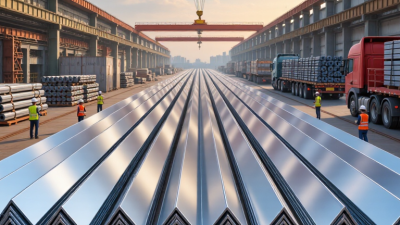
China’s angle bar production begins with steel billets selected for the required grade and dimensions. The billets are heated in a furnace, then passed through rolling stands that form two intersecting legs. Roll pressure and temperature affect the finished profile. Small changes can matter.
After rolling, bars move through cooling beds, where controlled cooling helps limit uneven distortion. Workers straighten and cut them to specified lengths. Inspections commonly check leg width, thickness, length, and squareness. Surface checks can reveal scale, cracks, or handling marks, but appearance alone cannot confirm internal quality.
Angle bars are often classified by leg shape: equal-leg sections have matching sides, while unequal-leg sections have different widths. They may also be grouped by dimensions, steel grade, production method, and surface condition. Hot-rolled products suit many structural and fabrication uses, though the right choice depends on loads, connection details, and project specifications. A size label is not the whole story. Buyers should compare measured dimensions and review inspection records, since tolerances and documentation can vary between mills. Even a well-made bar can be unsuitable if its grade or thickness does not match the design.
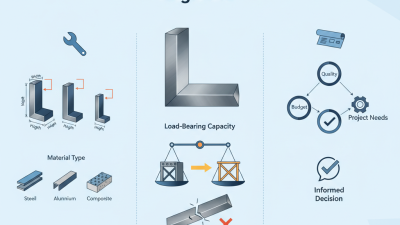
China’s Angle Bar Industry: Representative Product Dimensions
Angle bars are commonly classified as equal-leg or unequal-leg sections. This chart compares the nominal leg dimensions of representative sizes; it does not show production volumes or market shares.
Dimensions are shown in millimeters. Equal-leg sections have two legs of the same nominal width; unequal-leg sections have different leg widths. The listed sizes are representative examples, not an exhaustive product range.
Which Standards and Specifications Shape Chinese Angle Bars
Chinese angle bars are shaped by two separate questions: what dimensions are supplied, and what steel grade is required? GB/T 706 covers dimensions, shape, mass, and permitted deviations for hot-rolled sections. Buyers should specify equal or unequal legs, thickness, length, and dimensional tolerances. A nominal 50 × 50 × 5 mm angle may not suit a drawing if its actual thickness or straightness falls outside the project’s limits. Small details matter.
Grade standards describe mechanical and chemical requirements. Q235 is commonly specified under GB/T 700, while Q355 grades are covered by GB/T 1591. The purchase order should state the exact grade and applicable standard edition, rather than relying on a shorthand description. For projects requiring ASTM or EN compliance, ask the supplier to confirm the specified standard and supporting test documents; similar grade names do not guarantee equivalence. Inspection needs may include chemistry, tensile properties, and impact testing, depending on the grade and order.
Tips: Check leg size, thickness, length, and tolerance on the drawing before requesting a quotation. Ask for a mill test certificate and verify that its heat number matches the delivered bundles. One point worth reconsidering: standard compliance alone cannot confirm fitness for a structure. Connection design, loading, and fabrication conditions still matter.
How to Assess China’s Angle Bar Manufacturers and Suppliers
Assessing China’s angle bar manufacturers starts with a clear specification, not a low quotation. The World Steel Association’s World Steel in Figures 2024 reports that China produced 1,019.1 million tonnes of crude steel in 2023, roughly 54% of global output.
This points to a deep supply base, not consistent product quality. Scale is not assurance.
Ask suppliers to state the steel grade, production standard, leg dimensions, thickness, length, and tolerances in writing. Compare these details against your drawings and intended load conditions.
Request heat-specific mill test certificates, then check that heat numbers match the bundle tags. During inspection, measure both legs and thickness at several points; look for twist, uneven edges, and surface defects. For galvanized angle bars, confirm the specified coating requirement and how it will be verified.
Ask for recent inspection records and, where practical, arrange a pre-shipment sample check. Details matter. I would treat a polished certificate cautiously if traceability is unclear; paperwork can lag the actual bundle.
Record agreed remedies for out-of-spec material before placing an order, since a low price means little if dimensions vary across the shipment.
What to Consider When Sourcing Angle Bars from China
When sourcing angle bars from China, define the specification before comparing quotations.
State the steel grade, equal or unequal leg dimensions, thickness, length, and allowable tolerances. A quote for “steel angle” alone can hide important differences. Small details matter. Confirm whether the material will be hot-rolled, galvanized, or supplied with another finish, and specify the required surface condition.
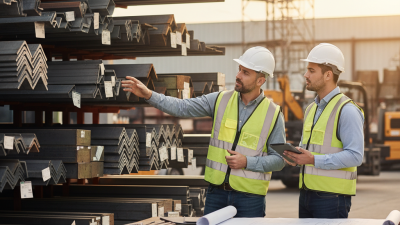
Ask suppliers for recent inspection records and material test certificates that match the offered product. Check that heat numbers can be traced from the documents to the bundles. Request clear photos of markings, packing, and finished bars, but do not treat photos as a substitute for inspection. Ask for evidence. If the order is substantial, agree on a pre-shipment inspection plan covering dimensions, straightness, surface defects, and quantity. A sample can help, though one short sample may not represent a full production run.
Compare more than the unit price. Confirm production lead time, minimum order quantity, bundle weight, export packing, and the delivery terms in writing. Clarify how damaged or out-of-tolerance bars will be handled. Buyers sometimes focus on price and overlook packing; bent edges or wet bundles can create problems after arrival. I would also check communication carefully. A supplier that answers technical questions clearly is easier to work with, though no single email guarantees reliable performance. Keep specifications and approved changes documented before production starts.