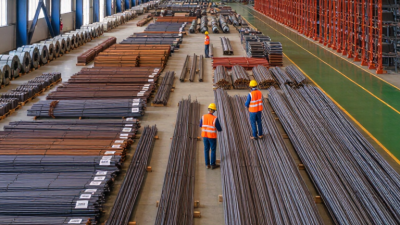
Choosing a Rolled Bar supplier is rarely as simple as comparing price lists. Global buyers need stable chemistry, predictable dimensions, clear documentation, and delivery plans that survive real production pressure. This guide examines ten suppliers through practical purchasing criteria, including material range, rolling capacity, quality systems, export experience, and customer support. It considers carbon steel, alloy steel, stainless steel, and other commonly specified grades. Each supplier should be assessed against the buyer’s drawings, application risks, and required standards. Small details matter. A mill certificate should match the heat number. Surface condition should match the finishing process. Tolerance claims should be checked against inspection records, not only brochures.
The selection also looks beyond factory photographs. Reliable suppliers can explain testing methods, packaging protection, Incoterms, lead times, and procedures for handling nonconforming material. Their teams should answer technical questions without hiding behind general sales language. Independent audits, traceability documents, and references from comparable industries can strengthen confidence. However, no ranking is permanent. Prices move, capacity changes, and a strong supplier for construction may not suit precision machining. Some information may require direct confirmation before purchase. That limitation is worth stating clearly. The best choice depends on more than reputation; it depends on evidence that fits the project. Buyers should request current certificates, sample specifications, production photographs, and written quotations before committing. This approach reduces surprises, although it cannot remove every supply-chain risk. Use this list as a starting point, not a substitute for technical review.
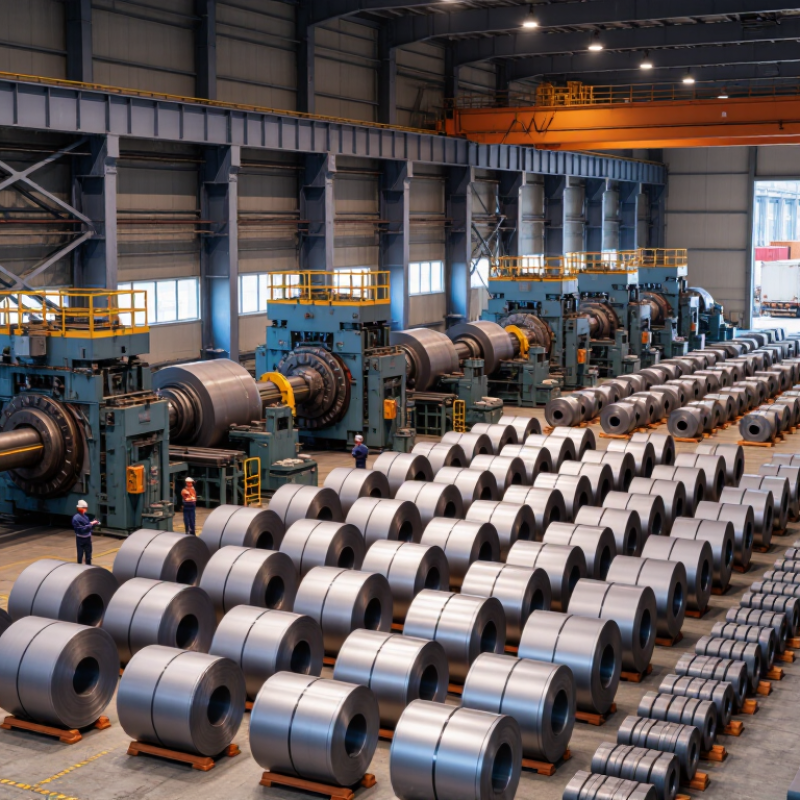
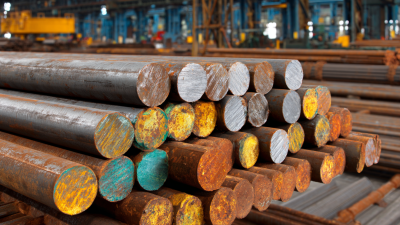
Rolled bars are long metal sections formed by passing heated or cooled billets through rotating rolls. The process controls their shape, dimensions, and mechanical behavior. Common profiles include round, square, hexagonal, and flat bars. Hot rolling suits larger sections and general structural work. Cold rolling can improve surface finish and dimensional accuracy. Yet, these terms are not interchangeable. A buyer should confirm the alloy, rolling condition, diameter, straightness, and permitted tolerances before comparing quotations.
Global buyers use rolled bars because they are practical building blocks for shafts, frames, pins, tools, and machined components. A round bar may arrive at a machine shop and become a shaft after cutting and turning. Standard sizes can reduce setup time and material waste.
Reliable suppliers should provide heat numbers, test certificates, chemical analysis, and mechanical results. Independent inspection can also verify dimensions and surface defects before shipment. Small details matter.
From procurement experience, packaging deserves equal attention. Bundles need secure straps, weather protection, readable labels, and a packing list matching the actual pieces. A bright surface does not prove internal quality. Nor does a low price guarantee usable stock. I have seen projects delayed by mixed diameters and incomplete certificates. That mistake is easy to repeat when specifications remain vague. Buyers may need to review samples, clarify applicable standards, and document acceptance criteria in the purchase order.
Top 10 Rolled Bar Suppliers for Global Buyers?
How Rolled Bar Suppliers Are Evaluated for International Sourcing
Experienced buyers evaluate rolled bar suppliers beyond catalog prices. They review steel grades, diameter tolerances, surface condition, straightness, and available production capacity. A reliable supplier provides heat numbers that connect each bundle to test certificates and inspection records. Samples should be measured with calibrated tools, not judged by appearance alone. Small details matter. Rust stains can indicate weak storage practices, while uneven ends may increase machining waste.
Technical competence becomes clearer during document review. Buyers should examine chemical analysis, tensile results, hardness data, and applicable quality certifications. Independent inspections can verify these claims before shipment. Suppliers should also explain how they control furnace batches, rolling temperatures, cooling rates, and final cutting. Clear answers usually reflect practical experience. Vague answers create risk. However, paperwork is not proof of perfect performance; certificates can contain errors, and audits may capture only one production day.
International reliability includes packaging, export documentation, lead-time discipline, and communication across time zones. Bundles need strong strapping, protective wrapping, and visible labels showing grade, size, heat number, and quantity. Buyers should request references from comparable markets, while checking whether delivery promises match actual capacity. A supplier may offer excellent material but struggle with urgent changes or claims. That weakness deserves attention. Even careful buyers can overvalue low prices and underestimate port delays, inspection costs, or inconsistent tolerances. A trial order, defined acceptance criteria, and recorded corrective actions provide more useful evidence than confident sales language.
This benchmark model reflects common evaluation priorities used by global buyers when assessing rolled bar suppliers. Product quality and compliance receive the highest weighting, followed by production capacity, export logistics, price competitiveness, lead time, traceability, and sustainability practices. The percentages represent evaluation criteria, not company-specific performance data.
Top 10 Rolled Bar Suppliers and Their Core Product Strengths
Global buyers often compare rolled bar suppliers by grade range, dimensional control, testing, and delivery reliability. The strongest ten supplier profiles usually include integrated steel mills, regional hot-rolling producers, precision finishing plants, stainless steel specialists, alloy steel makers, bearing steel producers, tool steel manufacturers, and export-focused stockholders. Each serves a different purchasing need. Integrated mills offer stable chemistry and large volumes. Precision plants focus on bright bars, tight tolerances, and clean surfaces. Alloy specialists support demanding shafts, gears, and pressure components.
Stainless suppliers typically stand out in corrosion-resistant round bars for food equipment, marine structures, and chemical processing. Tool steel producers focus on wear resistance and heat treatment consistency. Bearing steel suppliers emphasize fatigue performance and inclusion control. Automotive-focused mills often provide repeatable batches, narrow tolerances, and strong traceability. Export stockholders add value through mixed quantities, cutting services, and faster regional delivery. Small details matter. A bar’s surface can reveal poor handling.
From practical sourcing experience, buyers should request mill certificates, heat numbers, mechanical results, dimensional reports, and inspection records. Ask how the supplier protects bars during sea transport. Moisture damage can begin under careless wrapping. A low quotation may conceal higher machining loss or delayed documentation. I would not call any supplier perfect. Even reliable producers can miss a delivery window or provide confusing packing details. Comparing actual samples, response speed, testing depth, and corrective-action habits gives a more honest view of supplier strength.
Global buyers should compare rolled bar suppliers beyond quoted price. World Steel Association data recorded about 1.89 billion tonnes of crude steel production in 2023. This scale creates choice, but also hides uneven process control. Ask for heat numbers, mill test certificates, chemical analysis, tensile results, and dimensional tolerances. A reliable supplier should connect each bundle to a specific production batch. Small details matter.
Certifications provide useful evidence, not automatic proof. ISO’s 2023 Survey listed more than 1.26 million ISO 9001 certificates worldwide. Buyers should verify the certificate scope, issuing body, and expiry date. ISO 14001 and ISO 45001 can indicate environmental and workplace systems. Product compliance still requires attention. Check standards such as ASTM A615, EN 10080, or BS 4449 against the destination market. Factory audits remain valuable. Paperwork can look perfect.
Capacity comparisons should include melting, billet casting, rolling, storage, and loading capability. OECD’s 2024 steel outlook highlighted continuing global overcapacity concerns. Therefore, a large advertised output may not equal dependable export availability. Request twelve-month production records, shipment references, and realistic monthly allocations. Export coverage also depends on port access, container or bulk-vessel options, customs experience, and destination approvals. UNCTAD reports that most international trade by volume moves by sea, so logistics planning deserves equal weight. I would still avoid ranking suppliers from brochures alone; independent inspection and recent customer references can expose gaps.
Top 10 Rolled Bar Suppliers for Global Buyers
Selecting the right rolled bar supplier requires more than comparing prices. The World Steel Association reported approximately 1.89 billion tonnes of crude steel production in 2023. This scale creates choices, but also hides uneven quality. Buyers should verify mill capacity, rolling tolerances, surface condition, and delivery history. Request recent inspection records, not only polished brochures.
Material traceability matters. Each batch should connect to a heat number, chemical analysis, mechanical test, and inspection certificate. EN 10204 Type 3.1 documentation is useful for many industrial purchases. ISO 9001 certification can support process control, but it does not guarantee perfect products. Check the actual records.
Ask suppliers how they manage delays, rejected bars, and specification changes. Clear answers reveal practical experience. A small trial order can expose inconsistent dimensions, weak packaging, or slow communication. Measure diameter at several points after arrival. Record photographs and test results.
Price still matters. It should not lead the decision.
The OECD’s steel market assessments continue to highlight global capacity pressure and uncertain demand. Buyers should therefore examine production schedules and export experience before signing long contracts. Payment terms, port distance, currency exposure, and replacement procedures also affect the final cost. A perfect supplier scorecard is unrealistic. I would still leave space for human judgment, especially when technical evidence is incomplete.
An anonymized supplier-screening comparison based on common rolled-bar product categories, international standards, manufacturing processes, inspection practices, and export-readiness indicators.
| Supplier ID | Primary Region | Typical Product Forms | Common Material Grades | Typical Diameter Range | Relevant Standards | Production & Finishing | Inspection Documents | Typical MOQ |
|---|---|---|---|---|---|---|---|---|
| Supplier 01 | East Asia | Round, square, hexagonal, and flat rolled bars | Carbon steel, alloy steel, free-cutting steel, stainless steel | 6–180 mm | ASTM A29 EN 10083 JIS G4051 | Hot rolling, peeling, centerless grinding, shot blasting | Mill test certificate and dimensional report available | 1–5 metric tons |
| Supplier 02 | South Asia | Bright bars, precision ground bars, cold-drawn bars | 1018, 1045, 4140, 8620, 304, 316 stainless steel | 5–120 mm | ASTM A108 ASTM A276 EN 10277 | Cold drawing, peeling, grinding, chamfering, straightening | Chemical analysis, hardness, and tensile test records | 500 kg–3 metric tons |
| Supplier 03 | Central Europe | Engineering steel bars for automotive and machinery use | C45, 42CrMo4, 16MnCr5, 34CrNiMo6 | 10–250 mm | EN 10083 EN 10084 ISO 683 | Hot rolling, quenching and tempering, ultrasonic testing | EN 10204 3.1 certificates commonly supported | 5–20 metric tons |
| Supplier 04 | North America | Hot-rolled rounds, cold-finished bars, bearing-quality bars | 1020, 1045, 4140, 4340, 52100, 17-4 PH | 12–300 mm | ASTM A29 ASTM A322 ASTM A484 | Hot rolling, heat treatment, ultrasonic inspection, turning | Traceability and lot-based test documentation | 5–25 metric tons |
| Supplier 05 | East Asia | Stainless bright bars, precision bars, and cut-to-length bars | 304/304L, 316/316L, 410, 420, 17-4 PH | 3–160 mm | ASTM A276 ASTM A479 EN 10088 | Peeling, centerless grinding, polishing, solution annealing | PMI, surface inspection, and mechanical test reports | 500 kg–5 metric tons |
| Supplier 06 | Western Europe | Free-cutting, case-hardening, and quenched-and-tempered bars | 11SMn30, 11SMnPb30, 20MnCr5, 42CrMo4 | 5–100 mm | EN 10277 EN 10084 ISO 683 | Cold drawing, peeling, grinding, automatic length cutting | Dimensional and surface-quality reports available | 1–10 metric tons |
| Supplier 07 | Southeast Asia | Construction, machinery, and general engineering round bars | Carbon steel, low-alloy steel, stainless steel, tool steel | 8–200 mm | ASTM A29 JIS G4051 DIN 1652 | Hot rolling, straightening, saw cutting, protective coating | MTC and pre-shipment inspection support | 1–10 metric tons |
| Supplier 08 | Eastern Europe | Heavy round bars and alloy steel bars for industrial equipment | 34CrNiMo6, 30CrMo, 40Cr, 20MnV6 | 40–500 mm | EN 10083 EN 10250 ISO 4948 | Heavy-section rolling, heat treatment, ultrasonic testing | Heat number traceability and NDT records | 10–50 metric tons |
| Supplier 09 | South America | Carbon steel and alloy steel bars for mining and agricultural equipment | 1045, 4140, 4340, 8620, abrasion-resistant grades | 20–250 mm | ASTM A29 ASTM A322 SAE J404 | Hot rolling, normalizing, quenching and tempering, machining | Mechanical testing and chemical composition reports | 5–30 metric tons |
| Supplier 10 | Middle East | General-purpose rolled bars, cut bars, and forged preforms | Carbon steel, alloy steel, tool steel, stainless steel | 10–300 mm | ASTM A29 EN 10025 JIS G4051 | Hot rolling, annealing, normalizing, sawing, rust prevention | Certificate packages available on request | 2–20 metric tons |
Buyer verification note: Product ranges, minimum order quantities, certifications, lead times, and inspection documents should be confirmed against the supplier’s current quotation, mill test certificate, quality manual, and third-party audit records before purchase.