Top Steel Piles for Construction in 2026 What to Choose?
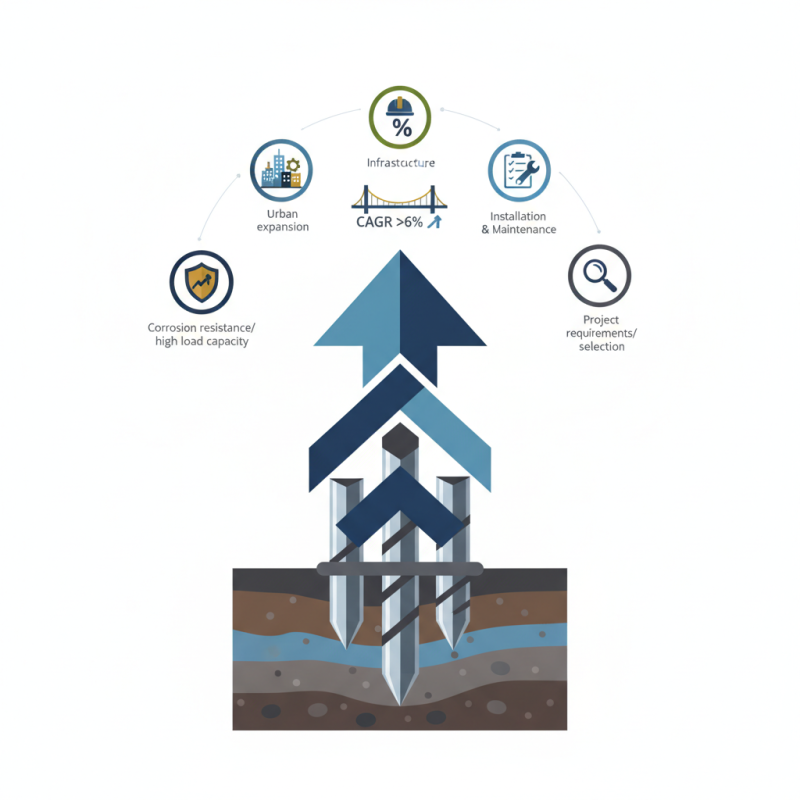
In 2026, the construction industry is expected to face various challenges and opportunities. Steel piles will continue to play a crucial role in foundation solutions. According to the Global Steel Piling Market Report 2023, the demand for steel piles is projected to grow at a CAGR of over 6% through 2026. This growth is driven by urban expansion and infrastructure projects worldwide.
Steel piles provide significant advantages, such as high load-bearing capacity and resistance to corrosion. These attributes make them ideal for varied soil conditions. However, selecting the right steel piles requires a thorough understanding of the project requirements. Factors like load specifications, environmental conditions, and cost considerations must be evaluated carefully.
Despite their benefits, some may overlook the importance of proper installation and maintenance of steel piles. Poor practices can lead to structural failures. Therefore, consulting with industry experts is advisable. By making informed decisions and focusing on quality, construction projects can ensure longevity and safety.
Top Trends in Steel Pile Materials for Construction in 2026
In 2026, the construction industry is set to witness significant shifts in the materials used for steel piles. These changes are driven by advancements in technology and environmental considerations. Sustainable steel options are becoming increasingly popular. Many projects now prioritize eco-friendly materials that reduce carbon footprints. This trend could redefine project sourcing.
Selecting the right steel pile material will be crucial. Look into high-performance steel variants that provide durability and resistance. These materials can withstand harsh conditions, ensuring longevity. However, not all high-performance options are suitable for every project. Careful evaluation of the specific site conditions is essential.
Tips: Always consider the environmental impact of your pile materials. Consult industry experts for insights into the latest innovations. And remember, while cost is a factor, investing in quality materials often leads to better long-term outcomes. Don’t hesitate to question the traditional supply chains. Seeking alternatives could yield surprising benefits in performance and sustainability.
Comparative Analysis of Steel Pile Types for Different Applications
In the construction industry, choosing the right type of steel pile is crucial for project stability. Steel piles come in various shapes and sizes, making them suitable for diverse applications. Each type has unique characteristics that affect performance in different soil conditions. For instance, H-piles are favored for their high load capacity. They excel in heavy construction projects, particularly in deep foundations. Their shape allows for better penetration into dense soil layers.
On the other hand, tubular piles are effective in marine applications. Their circular design reduces drag and allows for easier installation underwater. This feature is essential for projects on the coast or near water bodies. Nonetheless, tubular piles may be less effective in areas with driven rock. This limitation requires careful site assessment.
Casting a wider net, concrete-filled steel tubes offer a hybrid solution. These piles combine the compressive strength of concrete with the tensile strength of steel. However, the construction process can be complex, and miscalculations in the curing process can lead to structural weaknesses. Choosing the right steel pile involves not only understanding material properties but also meticulously considering site conditions and project requirements.
Key Factors to Consider When Choosing Steel Piles for Projects
Choosing the right steel piles for construction can be a daunting task, especially in 2026. There are several key factors to consider to ensure safety and durability. A critical aspect is the environment where the piles will be used. Soil conditions, moisture levels, and load-bearing capabilities impact the selection process. For instance, specific geotechnical evaluations can reveal how deep piles need to be driven or how much weight they must support.
Quality is another vital factor. Higher-quality steel offers better resistance to corrosion and mechanical stress. However, not all projects may require top-tier materials. Balancing budget constraints with strength and durability can lead to difficult decisions. Moreover, it is essential to consult engineering experts who understand local regulations and standards. This can help avoid costly mistakes and ensure compliance with safety guidelines.
The choice of pile size and shape can affect load distribution significantly. Square or circular piles offer different benefits. Design complexities may also arise, requiring additional calculations. It’s crucial to reflect on every decision made during the planning stages. Even small details can have major implications. Engaging with professionals in the field ensures that all aspects of the project are thoroughly thought out.
Environmental Impact and Sustainability of Steel Piles in 2026
When considering the environmental impact of steel piles for construction in 2026, sustainability becomes crucial. Steel production is energy-intensive, contributing significantly to greenhouse gas emissions. However, the use of recycled steel can mitigate some of these effects. Utilizing scrap metal reduces the need for new materials and lessens waste.
To minimize environmental harm, choose steel piles with certifications indicating sustainability practices. Look for suppliers who prioritize eco-friendly processes. Innovative designs, like those incorporating corrosion-resistant coatings, can extend the lifespan of piles and reduce replacements. This is an important consideration for long-term sustainability.
Tips for making informed choices: Always review the lifecycle assessment of steel products. Seek transparency in material sourcing. Engage in discussions with construction experts about best practices. A focus on sustainability could lead to better outcomes for both projects and the planet. Being environmentally responsible is increasingly relevant in modern construction.
Environmental Impact and Sustainability of Steel Piles in 2026
Future Innovations in Steel Pile Technology for Construction Efficiency
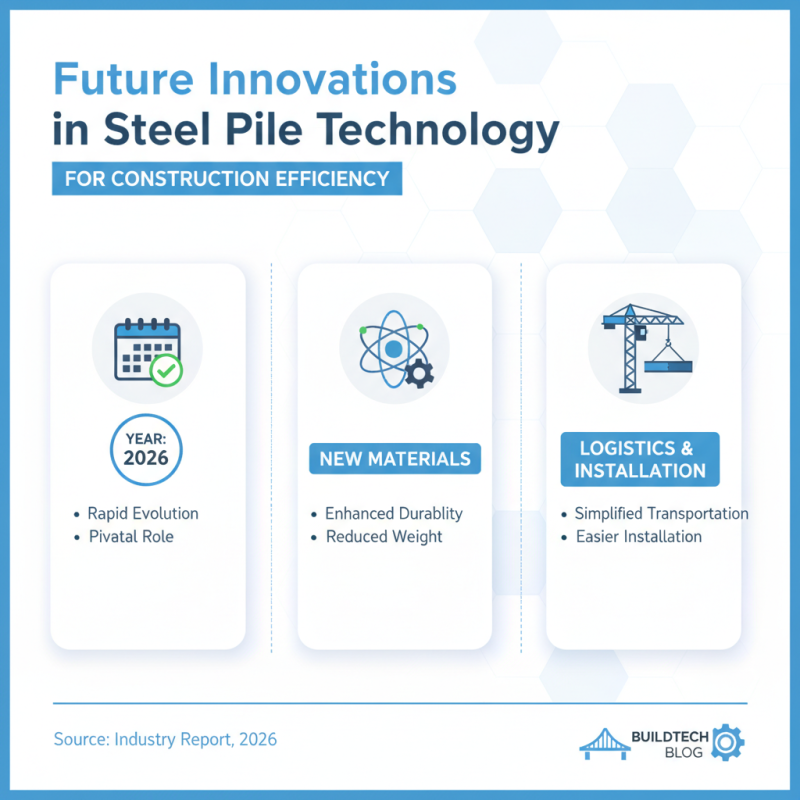
The construction industry is rapidly evolving. Steel pile technology plays a vital role in this transformation. In 2026, innovations are expected to enhance efficiency significantly. New materials are emerging, focusing on durability and weight reduction. Lighter piles can simplify transportation and installation.
Manufacturers are experimenting with automated production methods. Automation can improve precision and reduce labor costs. However, this shift raises questions about quality control. How will companies ensure consistency? Innovations like smart monitoring systems are being tested. These systems can track the performance of steel piles in real-time. They promise to offer data that enhances safety and longevity.
Sustainability is another critical focus area. Recycled materials are being incorporated into pile production. While this is a positive trend, challenges remain. Recycling can introduce variability in material strength. This necessitates rigorous testing before implementation. As the industry moves forward, finding the right balance between innovation and reliability will be crucial. Construction stakeholders must remain vigilant and adaptable.