Leave Your Message

2026 Best Metal Bar Types for Global Buyers

Choosing the right Metal Bar is less about picking a familiar label and more about matching material, shape, and specification to the job. Round bars suit shafts and machined parts. Flat bars fit brackets and frames. Square and hex bars serve different fabrication and fastening needs. The details matter. A small mismatch in diameter, alloy, or tolerance can create extra machining, delays, or rejected parts.

Metallurgist Dr. John D. Verhoeven is a respected authority on steel and metallurgy. However, I cannot verify a direct quotation from him about choosing commercial metal bars, so I will not put unsourced words in his mouth. The guiding line for this article is: “Choose by specification, then verify by test.” It is practical, though not a substitute for engineering review.

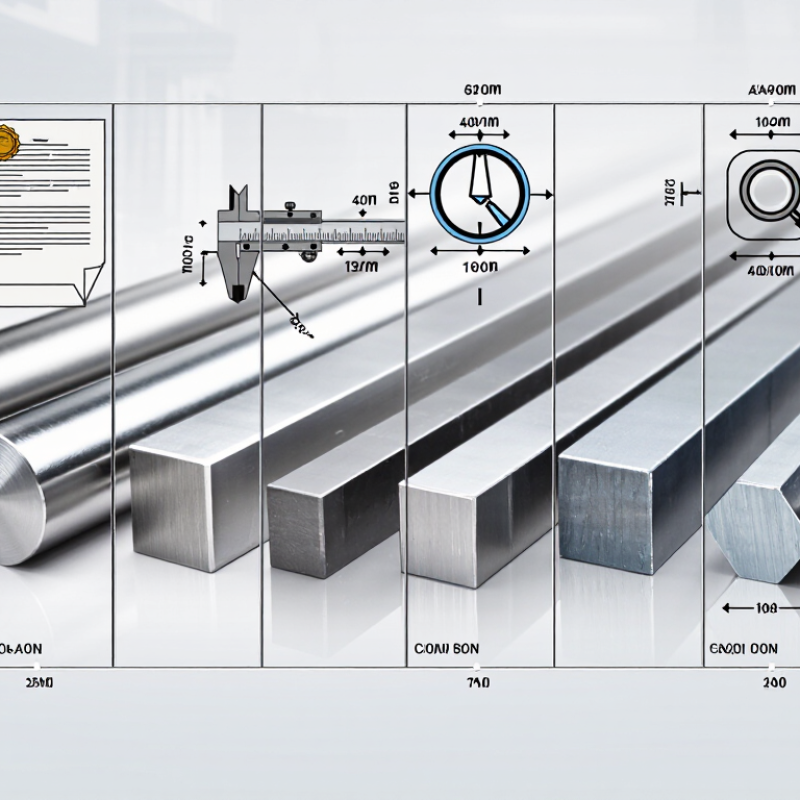
This guide compares common bar types for global buyers, including carbon steel, stainless steel, alloy steel, and aluminum options. It looks at grade, dimensions, surface condition, certificates, testing, and supplier communication. Ask for clear tolerances and traceable material documents. Check how the bar will be cut, formed, welded, or machined. A polished sample can look convincing under warehouse lights. The paperwork and test results still deserve a careful read. Specifications can be confusing, and even experienced buyers sometimes miss a detail. That is worth admitting. A reliable purchase starts with a precise drawing, honest questions, and verification before shipment.
2026 Best Metal Bar Types for Global Buyers

Classify Round, Flat, Square, and Hex Bars by Shape and Process

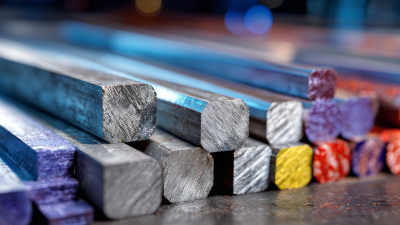
Round bar has a circular cross-section and suits shafts, pins, rollers, and turned components. Hot-rolled round bars usually have a mill scale and broader dimensional tolerances. Cold-drawn bars offer a smoother surface and closer sizing, which can reduce machining work. Check straightness and diameter along the full length, not only at the ends.

Flat bar is rectangular, while square bar has equal sides. Both are commonly hot rolled; cold finishing may improve surface quality and dimensional control. Flat bar works well for brackets and plates, while square bar is used for frames, supports, and machined parts. Simple shapes, but details matter. A rounded corner or uneven thickness can affect fit, welding, or later machining.

Hex bar has six flat sides and is often selected for nuts, fittings, and components held in a chuck. It may be hot rolled or cold drawn, depending on the required finish and tolerance. For global purchasing, specify the shape, dimensions, material grade, process, and inspection requirements together. A shape name alone is not enough. Process terms can vary between suppliers, and buyers sometimes assume “cold finished” means identical tolerances. It may not. Ask for the applicable dimensional standard and a sample inspection report before confirming an order.
Compare Carbon-Steel Bars: ASTM A36 Sets a 250 MPa Minimum Yield

For global buyers comparing carbon-steel bars, ASTM A36 offers a familiar baseline: a minimum yield strength of 250 MPa, or 36 ksi, for many commonly supplied product dimensions. Yield strength describes the stress at which permanent deformation begins. It is not the same as tensile strength, and it does not guarantee identical performance in every design.

Check the bar’s dimensions and product form before comparing quotations. Requirements can vary with section size and applicable specification details. Ask for a mill test report showing the steel grade, heat number, measured dimensions, and mechanical test results. Then compare those results with the project’s drawings and loading conditions. A round bar for a machined pin and a flat bar used in a welded frame may share a grade, but their fit, finish, and fabrication needs differ. Details matter.

A practical check is simple. Measure the diameter or width at several points, especially near the ends, and inspect for scale, deep rust, or visible bends. Confirm whether the quoted size is nominal or tied to a specified tolerance. A36 is widely used for general structural work, but “250 MPa minimum” should not replace engineering review. I have seen buyers focus on the number and overlook thickness or documentation. That is an easy mistake. Also, mill certificates are useful evidence, not a substitute for verifying the delivered material.

2026 Best Metal Bar Types for Global Buyers - Compare Carbon-Steel Bars: ASTM A36 Sets a 250 MPa Minimum Yield

Bar type / grade Common specification Minimum yield strength Typical forms and uses Corrosion and fabrication notes Buyer check
Carbon structural steel, Grade A36 ASTM A36/A36M 250 MPa (36 ksi) for applicable product dimensions; requirements can vary with thickness. Commonly supplied as rounds, flats, and other structural products; used for general fabrication, frames, and supports. Weldable with suitable procedures. Uncoated carbon steel can rust in wet or marine environments. Confirm bar form, dimensions, applicable thickness limits, and certified test results.
High-strength low-alloy structural steel, Grade 50 ASTM A572/A572M, Grade 50 345 MPa (50 ksi) minimum for applicable product dimensions; limits depend on product and thickness. Structural bars and other covered product forms; used where higher strength-to-weight performance is useful. Weldability depends on grade, thickness, and procedure. It is not inherently corrosion-proof. Check the specified grade, product form, thickness, and welding requirements.
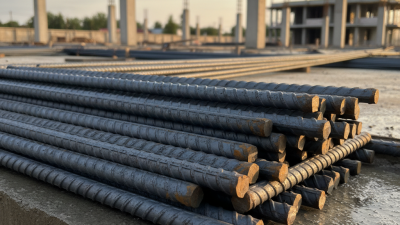
Carbon-steel reinforcing bar, Grade 60 ASTM A615/A615M, Grade 60 420 MPa (60 ksi) minimum. Deformed or plain reinforcing bars for concrete construction. Designed for reinforcement, not as a general-purpose structural round bar. Welding needs careful review of material chemistry and project requirements. Verify bar size, grade marking, applicable construction code, and any project-specific weldability requirements.
Carbon-steel cold-finished bar, Grade 1018 Commonly specified to ASTM A108 No single minimum yield value applies to every size and condition; properties depend on processing and dimensions. Often supplied as round, square, or hexagonal cold-finished bar for machining and general components. Cold finishing can improve dimensional consistency and surface finish. Bare steel remains susceptible to rust. Specify the required mechanical properties, finish, tolerance, and condition; review the material test certificate.
Austenitic stainless steel bar, Type 304 ASTM A276/A276M About 205 MPa (30 ksi) minimum yield in the annealed condition; confirm applicable requirements and condition. Round, square, and other bar shapes for equipment, fittings, and components where corrosion resistance is needed. Generally offers better atmospheric and many aqueous-environment corrosion resistance than carbon steel; performance depends on the environment. Confirm grade, condition, product dimensions, and suitability for the specific chemical or service environment.

Note: Yield-strength figures are specification minimums only where stated and are not directly interchangeable across standards, product forms, thicknesses, or conditions. Check the current governing standard, purchase specification, dimensions, and material test certificate before ordering.

Assess Rebar: ASTM A615 Grade 60 Requires 420 MPa Minimum Yield

2026 Best Metal Bar Types for Global Buyers

For reinforcing applications, ASTM A615 Grade 60 rebar must meet a minimum yield strength of 60 ksi, approximately 420 MPa. Yield strength indicates when steel begins to deform permanently under load. It is a specified threshold, not a guarantee that every test result will equal exactly 420 MPa. Buyers should review the mill test report and confirm the stated grade, heat number, and mechanical test results match the order.

Document checks matter. A report may list strength in ksi, while project documents use MPa. Confirm the conversion and the applicable specification edition before approving shipment. Check bar markings, diameter, and test records together; one mismatch can delay inspection. Tensile strength, elongation, and bend-test results also deserve attention. The paperwork can look complete and still leave a gap. That detail is easy to miss when schedules are tight.

Tips: Ask for traceable test documentation before dispatch. Compare it with the purchase order and project requirements. If values or markings conflict, pause and request clarification rather than assuming the difference is harmless.

Choose Stainless Bars Under ASTM A276 and Verify Grade-Specific Properties

2026 Best Metal Bar Types for Global Buyers
Choose Stainless Bars Under ASTM A276 and Verify Grade-Specific Properties

For global buyers, ASTM A276 is a useful starting point when sourcing stainless steel bars. It covers bars and shapes, but it does not make every grade interchangeable. A 304 bar and a 316 bar may look nearly identical on a receiving rack. Their chemistry, corrosion resistance, and mechanical properties differ. Appearance is not proof. Match the order to the exact grade, dimensions, product form, and delivery condition.

Tips: Request the mill test report. Match its heat number to the bar tag. Check chemical composition and specified mechanical test results. Confirm dimensions and heat-treatment condition. If key data is missing, pause and ask.

Compare reported values with the applicable ASTM A276/A276M edition and any additional purchase-order requirements. Do not rely on a generic grade chart alone; it cannot confirm performance in a particular environment. For a machined shaft exposed to washdown chemicals, consider the service conditions, surface finish, and fabrication process. One detail is easy to miss: a correct grade can still arrive in the wrong condition. Record any approved deviation before cutting begins.

2026 Best Metal Bar Types for Global Buyers

Compare specified chromium content ranges for selected stainless steel bar grades covered by ASTM A276.

Bars show the midpoint of each grade’s specified chromium range; hover for the range. Chromium content alone does not determine performance. Confirm the applicable ASTM A276/A276M edition, grade, condition, and grade-specific mechanical properties before purchasing.

Source Aluminum Bars to ASTM B221 by Alloy, Temper, and Tolerance

ASTM B221/B221M covers extruded aluminum bars, rods, profiles, and tubes. A useful purchase specification names the alloy, temper, cross-section, length, and applicable dimensional tolerances. “Aluminum bar” alone is too vague. 6061-T6 is often selected for strength and machining, while 6063-T5 may suit architectural shapes. Check the required properties against the standard and the supplier’s test certificate; similar-looking bars can behave differently.

Supply scale is large, but it does not guarantee a specific size is readily available. The U.S. Geological Survey’s Mineral Commodity Summaries 2025 estimated world primary aluminum production at about 72 million metric tons in 2024. For buyers, the practical detail is the extrusion tolerance. State width, thickness, straightness, and cut-length requirements, then confirm how each is measured. Ask for the mill test report to identify the alloy and temper. Small gaps matter. A bar that is slightly bowed may fit a rough-cut fixture but fail a close assembly. I would also confirm whether tolerances follow ASTM B221/B221M tables or a tighter, separately agreed requirement. That distinction is easy to miss. It may be worth reviewing the drawing once more before ordering.