Best Metal Bar Options for Global Buyers in 2026?
As global markets evolve, the demand for high-quality Metal Bar products is on the rise. In 2026, buyers will face diverse choices. Selecting the right Metal Bar can be challenging. Different applications require different specifications. Issues such as strength, weight, and alloy types matter deeply.
Manufacturers worldwide offer various Metal Bar options. Each choice can affect performance and durability. Buyers should pay attention to these details. Quality certifications and supplier reliability will be crucial. However, not every supplier meets these standards, raising concerns.
In navigating the Metal Bar market, buyers must conduct thorough research. Understanding material properties and sourcing practices is essential. Engaging with experienced suppliers can help mitigate risks. It ensures that investment leads to value. The journey may be complex, but the right information empowers informed decisions.
Overview of the Global Metal Bar Market in 2026
In 2026, the global metal bar market is expected to experience significant growth driven by several key factors. Demand for metal bars in construction and manufacturing sectors remains strong. Countries with rapid industrialization will see increased consumption of various metal types. Steel bars, aluminum bars, and copper bars will be in high demand due to their versatile applications.
Regional variations will influence market dynamics. Emerging nations may face challenges such as fluctuating raw material costs and environmental regulations. Established markets may prioritize sustainable production methods. This shift could lead to higher costs but also increased demand for eco-friendly options. Buyers should pay attention to local supplier capabilities and sustainability practices.
The need for innovation cannot be overstated. Technological advancements in metal production can enhance quality and efficiency. However, reliance on technology may pose risks if not managed properly. Buyers must evaluate suppliers not only on price but also on their ability to adapt to changing market needs. This foresight is crucial for making informed purchasing decisions in the evolving landscape of the global metal bar market.
Best Metal Bar Options for Global Buyers in 2026
| Material Type |
Applications |
Global Market Share (%) |
Projected Growth Rate (%) |
Key Regions |
| Aluminum |
Aerospace, automotive, construction |
30% |
4.5% |
North America, Europe |
| Steel |
Construction, manufacturing, energy |
50% |
3.2% |
Asia Pacific, Europe |
| Copper |
Electrical, plumbing, electronics |
15% |
5.0% |
North America, Latin America |
| Titanium |
Aerospace, medical, military |
5% |
6.0% |
Global |
| Nickel |
Alloys, batteries, electronics |
5% |
3.8% |
Asia Pacific, Europe |
Key Metal Bar Types and Their Applications for Buyers
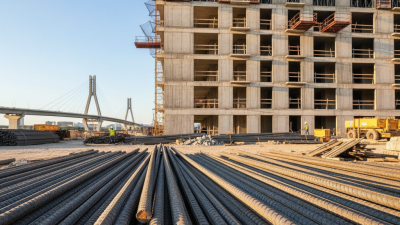
When considering the best metal bar options for buyers in 2026, understanding the types of metal bars is essential. Common types include aluminum, steel, and brass. Each has unique properties tailored for various applications. For instance, aluminum bars offer lightweight options ideal for construction and automotive industries. Their resistance to corrosion makes them highly sought after. Steel bars, on the other hand, are known for their strength. They find extensive use in structural applications, particularly in buildings and bridges.
Brass bars combine aesthetics with functionality. They are often used in decorative applications like fittings and fixtures. Additionally, their antimicrobial properties make them suitable for medical tools. Global buyers must also consider factors like sourcing and availability. Some regions may face supply chain issues, complicating procurement processes. Furthermore, evaluating the sustainability of metal sources is essential for responsible purchasing. Buyers should engage with suppliers who prioritize eco-friendly practices and quality assurance. Tracking these factors ensures that investments are sound and beneficial in the long term.
Best Metal Bar Options for Global Buyers in 2026
This chart displays the projected global demand for various metal bar types in metric tons for the year 2026. Aluminum and steel are expected to lead in demand due to their widespread applications in construction and manufacturing.
Factors Influencing Metal Bar Prices and Supply Chains
The global metal bar market is influenced by various factors in 2026.
Supply chains are expected to face challenges due to geopolitical tensions and logistics issues.
According to industry reports, approximately 30% of metal prices are determined by shipping costs.
Changes in shipping routes can significantly impact availability and pricing.
Demand is another critical factor.
The construction and automotive industries drive much of this demand.
As reported by the World Steel Association,
global steel production is projected to reach 1.9 billion tons by 2026.
Consequently, a surge in metal bar usage can lead to supply shortages and price spikes.
Tips: Diversifying suppliers can mitigate risks.
Consider local sources to avoid long shipping delays. Monitoring market trends is crucial.
Staying informed helps in making timely purchasing decisions.
Understanding the market's fluid nature can save costs and enhance supply chain stability.
Leading Manufacturers and Suppliers of Metal Bars Worldwide
In 2026, global buyers will navigate a diverse landscape of metal bar manufacturers and suppliers. With numerous options available, selecting the right partner is crucial. Key players will focus on innovative production techniques, quality assurance, and sustainability practices. Many suppliers are addressing environmental concerns, responding to consumer demand for eco-friendly products.
Tips:
Assess a supplier’s certifications. Look for ISO or other industry-specific accreditations. These can indicate a commitment to quality and safety.
Emerging markets are seeing increased competition. As domestic and international suppliers rise, buyers must remain vigilant. Cost and quality often vary. Researching potential partners helps ensure reliability. Engage with multiple sources to gain insights before making decisions.
Tips:
Consider the supplier's reputation. Reviews and testimonials can provide valuable feedback from past clients. This practice might highlight both strengths and weaknesses.
Understanding regional regulations is vital for compliance. Different countries have unique standards governing metal bars. Buyers should stay informed about these to avoid costly mistakes.
Sustainability Trends Impacting the Metal Bar Industry
The metal bar industry is evolving. Sustainability trends are reshaping production methods and material sourcing. Reports indicate that over 30% of industry leaders prioritize eco-friendly practices. These changes reflect growing consumer demand for sustainable products. Companies are adopting recycled materials to reduce carbon footprints.
Manufacturers face challenges in balancing efficiency and sustainability. Some processes can be expensive and time-consuming. The shift towards greener practices requires investments in technology and training. Many businesses struggle to keep pace with these changes.
Tip: Consider certifications that reflect sustainability. They can add value to your products. Engaging with suppliers who prioritize eco-friendly practices can enhance your supply chain.
As the market evolves, innovation is key. Companies explore new materials and production techniques. Staying informed about regulations and trends is vital. Data shows that transparent supply chains increase customer trust. Keeping an eye on sustainability can lead to competitive advantage.
Tip: Evaluate your material sources regularly. This can reduce environmental impact and increase your market appeal.