Essential Tips for Choosing the Right Steel Wire for Your Needs?
Choosing the right steel wire is crucial for various applications. The demand for high-quality steel wire continues to grow. According to a recent report by Global Market Insights, the global steel wire market is expected to reach $50 billion by 2028. This growth highlights the importance of selecting the right type for your specific needs.
Industry expert John Smith emphasizes, "Quality steel wire can make or break a project." This statement underscores the critical nature of material selection. Choosing improperly can lead to failures, increased costs, and safety hazards. Different types of steel wire vary in tensile strength, diameter, and corrosion resistance. Understand these factors is essential for your project's success.
Consider your specific requirements when selecting steel wire. For instance, high carbon steel is ideal for strength, while stainless steel offers corrosion resistance. Each choice impacts performance and longevity. A careful assessment of your needs is vital. Make informed decisions to ensure your project thrives, avoiding mistakes that others may overlook.
Understanding Different Types of Steel Wire and Their Applications
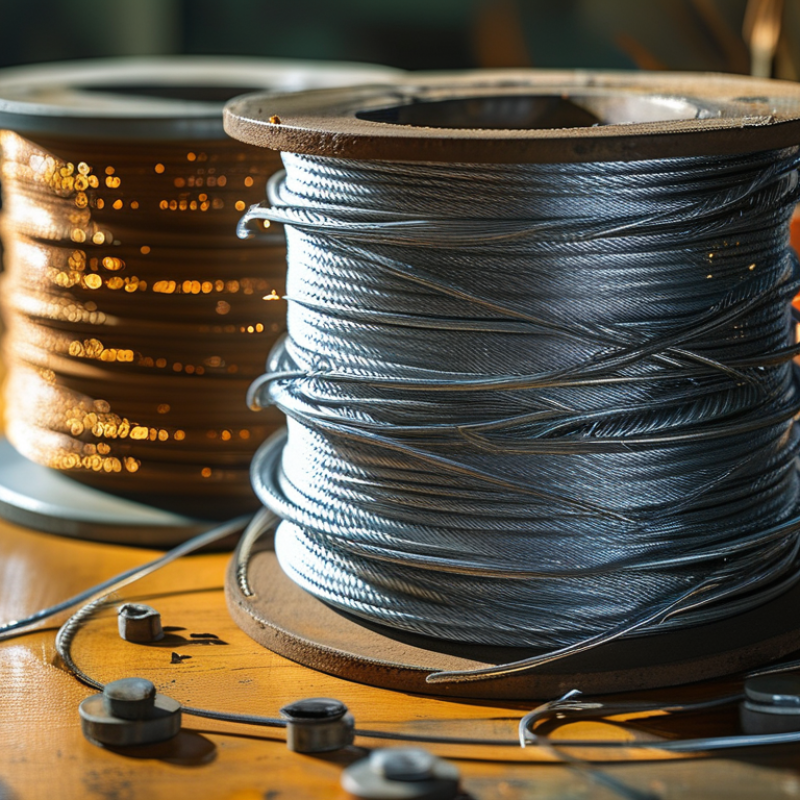
When selecting steel wire, understanding the various types and their specific applications is crucial. Steel wire comes in different grades, each designed for specific purposes. For example, carbon steel wire is known for its high tensile strength, commonly used in construction and manufacturing. According to a 2022 report by the Steel Manufacturers Association, around 45% of steel wire consumed is carbon-based, underscoring its prevalence in the industry.
On the other hand, stainless steel wire, which comprises chromium, offers excellent corrosion resistance. This type is ideal for applications in marine environments or medical equipment. A recent industry analysis indicates a steady increase in demand for stainless steel wire, expected to grow by 7% annually through 2025. However, its higher cost may lead some to overlook it despite its long-term benefits.
Choosing the right wire also involves considering factors like wire diameter and tensile strength. Thinner wires may handle lighter loads but can be more susceptible to breakage under stress. A study from the American Iron and Steel Institute suggests that using wire engineered for specific loads can significantly improve safety and performance. Reflecting on the project requirements is essential, as an inappropriate choice can lead to unexpected failures or increased costs. Evaluating these aspects ensures that the steel wire not only meets the immediate needs but also holds up under varying conditions.
Key Factors to Consider When Selecting Steel Wire for Projects
When selecting steel wire for projects, several key factors must be considered. Wire diameter is crucial; it affects strength and flexibility. According to industry reports, a 1 mm increase in diameter can raise tensile strength by about 10%. Assessing the wire's intended use is essential. For heavy-duty applications, a thicker wire is recommended. Conversely, lighter tasks may benefit from thinner options for ease of manipulation.
Another important aspect is the wire's coating. Coatings such as zinc or polyurethane can enhance durability and corrosion resistance. Research from the American Institute of Steel Construction indicates that galvanized wire can last up to 30% longer in outdoor environments. Understanding environmental conditions is vital for longevity.
Finally, it’s necessary to evaluate the wire's tensile strength. Misjudging the required strength can lead to structural failures. Surveys reveal that about 15% of project managers overlook this parameter, often resulting in costly delays or rework. Always cross-reference wire specifications with project demands for the best outcomes. Selection mistakes often arise from a lack of detailed analysis, so thorough research is indispensable.
Comparing Steel Wire Strength and Flexibility for Specific Uses
When selecting steel wire, strength and flexibility must be balanced for the intended use. Different applications require varying properties. For example, construction often demands high tensile strength. Here, thicker wires exhibit greater durability against heavy loads. But, is a thicker wire always better? Not necessarily.
In contrast, industries like crafting may prioritize flexibility. A thinner wire might bend easily, allowing intricate designs. However, too much flexibility can lead to weakness. Finding that sweet spot is crucial. When you choose, consider the environment. Will the wire be exposed to harsh weather? Extreme conditions can alter performance significantly.
Testing samples can provide valuable insights. Conduct bend tests or load tests to observe behavior. Not all wires perform the same even within similar specifications. It’s essential to consult experts if uncertainty arises. Their guidance can prevent costly mistakes. Understanding the specific needs of your project is vital. Choosing the right steel wire is more complex than it seems.
Comparison of Steel Wire Strength and Flexibility for Specific Uses
Evaluating Corrosion Resistance in Steel Wire Options
When selecting steel wire, evaluating corrosion resistance is crucial. Steel is inherently prone to rust when exposed to moisture and oxygen. According to the Corrosion Control Technical Report, over 30% of structural failures relate to corrosion issues. Choosing the right steel wire means understanding how different coatings influence performance.
Galvanized steel is a popular choice. This coating offers increased resistance. A study shows that galvanized wires can last up to three times longer than uncoated options in harsh environments. However, not all applications benefit from this type of coating. In some situations, like permanent installation in submerged areas, stainless steel may be more appropriate. It has a remarkable resistance to pitting and crevice corrosion, making it ideal for marine environments.
Besides coating, the environment plays a significant role. For example, wire used in coastal areas must withstand salty air. The American Galvanizers Association recommends a minimum coating thickness of 85 microns for such conditions. However, even the best coatings can fail over time. Regular inspections are key to preventing unexpected failures and ensuring the longevity of wire applications. Understanding these factors helps in making an informed decision about steel wire selection.
Cost vs. Quality: Making the Best Choice for Steel Wire Purchases
When selecting steel wire, one must evaluate both cost and quality. A lower-priced option may seem attractive. However, it often leads to compromises in strength and durability. Premium steel wire could be more expensive upfront but offers long-term savings. It lasts longer and requires fewer replacements.
Consider the specific application of the wire. Different projects demand different grades. For instance, a construction project may need high tensile strength. Conversely, lighter applications might allow for a more economical choice. Always assess the trade-offs between immediate cost savings and potential future expenses.
Sometimes, individuals may overlook the quality due to price. This impulse can lead to regret. It’s vital to prioritize reliability and strength in critical applications. Remember, investing in quality steel wire can prevent costly failures down the line. Reflect on past experiences. It’s a lesson on the balance between cost and quality.
Essential Tips for Choosing the Right Steel Wire for Your Needs
| Wire Type |
Diameter (mm) |
Tensile Strength (MPa) |
Coating Type |
Price (USD per kg) |
| Carbon Steel Wire |
1.0 |
500 |
None |
1.50 |
| Galvanized Steel Wire |
1.5 |
600 |
Galvanized |
2.00 |
| Stainless Steel Wire |
2.0 |
750 |
Passivated |
3.50 |
| Pre-stressed Steel Wire |
3.0 |
1000 |
None |
4.00 |
| High Carbon Steel Wire |
0.8 |
800 |
None |
1.80 |