What is a Metal Bar and How is it Used in Industry?
Metal bars are fundamental components in various industrial applications. According to John Smith, a leading expert in metallurgy, "Metal bars provide strength and versatility for a wide range of uses." This statement reflects the crucial role metal bars play in construction, manufacturing, and engineering sectors.
These bars are crafted through processes like rolling and extrusion, transforming raw materials into rigid, uniform shapes. Industries utilize metal bars for structural support, machinery parts, and even artistic creations. Despite their commonality, the choices of materials and profiles can greatly impact performance. Choosing the right metal bar is vital to ensure durability and efficiency in each application.
However, not all projects demand the same specifications. With the variety of metals available, from steel to aluminum, decisions become complex. Industry professionals often grapple with balancing cost, strength, and weight. Understanding the nuances of metal bars is essential to avoid costly mistakes. Striking the right balance requires meticulous research and informed choices. This highlights the importance of expertise in selecting the appropriate metal bar for each unique situation.
Understanding Metal Bars: Definition and Characteristics
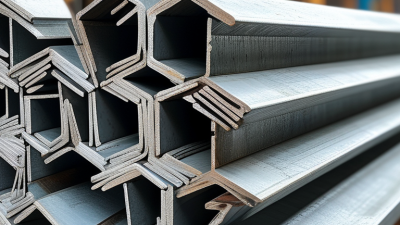
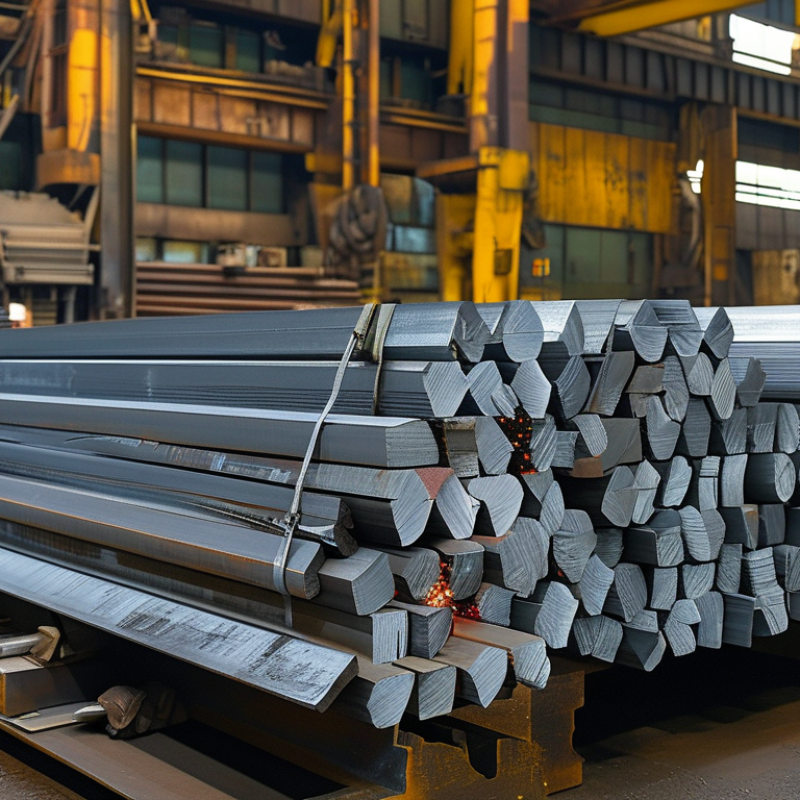
Metal bars are fundamental components in various industries. They are typically long, solid pieces made from metals like steel, aluminum, or copper. Their properties vary based on the material, which affects their strength, flexibility, and resistance to corrosion. For example, steel bars are renowned for their high tensile strength, making them ideal for construction and manufacturing applications.
In many production processes, metal bars serve different purposes. One common use is in frameworks or structural supports for buildings. Workers cut and weld these bars to create stable frameworks. Additionally, they are often machined into smaller parts, such as gears or brackets. However, the quality of metal bars can sometimes be inconsistent. Factors such as the production method and material quality heavily influence their performance. Regular testing and inspection are crucial to ensure reliability, which can be a challenge in fast-paced environments.
Metal bars not only contribute to structural integrity but also play a role in design. Their shapes and finishes can impact the final product’s aesthetic. Designers often choose specific types based on these characteristics. Balancing strength with visual appeal can lead to tough choices. Ultimately, knowing the various uses and qualities of metal bars is essential for making informed decisions in industrial applications.
Metal Bar Usage in Various Industries
Types of Metal Bars and Their Specific Applications in Industry
Metal bars are crucial components in various industries, serving multiple applications. There are several types of metal bars, including flat bars, round bars, and square bars. Each type is used for specific purposes. For instance, flat bars are common in construction as structural elements. According to a recent report by Market Research Future, the global steel market, which heavily relies on metal bars, is projected to reach $1.5 trillion by 2025.
Round bars are often utilized in machining processes. They provide strength and durability for manufacturing components. The aerospace and automotive industries frequently employ round bars for producing high-performance parts. In fact, a study by Smithers Pira indicates that the demand for round metal bars is increasing steadily, with an expected growth rate of 4% annually until 2027.
Square bars are essential in the fabrication of frames and supports. They offer excellent load-bearing capabilities. Many manufacturers face challenges related to the sourcing of high-quality square bars. Fluctuating raw material prices and supply chain issues can lead to inconsistencies. Companies must adapt to these market dynamics to maintain production efficiency.
Manufacturing Processes for Metal Bars: From Raw Material to Finished Product
Metal bars are foundational components in various industries, and understanding their manufacturing processes is crucial. The journey begins with raw materials, often sourced from mining operations. These materials include iron, aluminum, and copper. They undergo extensive refining to remove impurities, ensuring high-quality raw metal.
After refining, the metal is heated and shaped using different techniques, such as extrusion or rolling. Extrusion involves forcing the heated metal through a die, creating long, continuous shapes. Rolling, on the other hand, reduces thickness and increases length. These methods require precise control, as minor mistakes can lead to defective products. The cooling process is equally critical. Improper cooling can introduce internal stresses, leading to weaknesses.
Finishing processes add the final touch. Cutting, grinding, and polishing not only enhance appearance but also improve functionality. Quality control measures are implemented at each stage, ensuring the bars meet industry standards. Reflecting on these processes highlights the complexity and importance of skilled workmanship in metal bar production. Each step is vital, and even small errors can have significant consequences. Thus, continuous improvement and learning from past experiences are essential for success in this competitive field.
Common Uses of Metal Bars Across Various Industrial Sectors
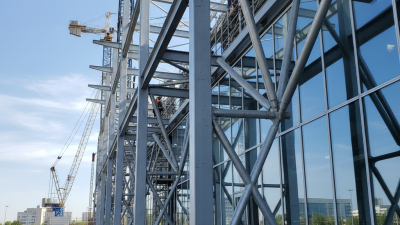
Metal bars are versatile materials used in various industrial sectors. They typically come in different shapes, such as rectangular, square, or round. Their durability makes them ideal for structural applications. In construction, metal bars support buildings and bridges, providing strength and stability. They can withstand heavy loads, which is crucial for safety.
In manufacturing, metal bars are used to create components for machinery. They undergo processes like cutting, bending, and welding. This flexibility allows engineers to design custom parts. Often, these parts are essential for assembly lines in factories. Workers rely on these components for efficient production. However, sourcing quality metal bars can be a challenge.
Metal bars also find applications in automotive and aerospace industries. They serve as frames, chassis, and other critical components. The demand for lightweight yet strong materials is increasing. But not all metal bars meet the required standards. This gap highlights the need for continuous improvement and quality assurance in production.
What is a Metal Bar and How is it Used in Industry? - Common Uses of Metal Bars Across Various Industrial Sectors
| Industry Sector |
Type of Metal Bar |
Common Uses |
Dimensions (mm) |
| Construction |
Reinforcing Bars (Rebar) |
Structural reinforcement in concrete |
12 x 1200 |
| Manufacturing |
Steel Bars |
Machinery parts, frames, shafts |
20 x 3000 |
| Automotive |
Aluminum Bars |
Lightweight components, engine parts |
15 x 1000 |
| Aerospace |
Titanium Bars |
Aircraft frames, engine components |
10 x 800 |
| Electrical |
Copper Bars |
Electrical wiring, connectors |
5 x 2000 |
Advantages of Using Metal Bars in Construction and Engineering Projects
Metal bars are vital components in construction and engineering. Their strength and versatility make them suitable for various applications. Structural steel bars support buildings, bridges, and highways. According to the World Steel Association, global steel production reached 1.9 billion tons in 2022. This shows the ongoing reliance on metal bars in infrastructure development.
The advantages of using metal bars are significant. They provide excellent tensile strength and durability, essential for safety. Metal bars can withstand harsh conditions and heavy loads. The American Institute of Steel Construction highlights that steel structures can reduce construction time by up to 50%. This efficiency can lower project costs and expedite completion. Additionally, metal bars are highly recyclable, reducing waste in construction.
Despite these benefits, some challenges exist. Corrosion can affect the lifespan of metal bars if not properly treated. Also, welding and fabrication require skilled labor, which can be scarce in some regions. Addressing these issues requires careful planning and expertise. Balancing the benefits and potential drawbacks is crucial for successful projects.